

WeWork's failed IPO tempers investor confidence in proptech
 Add BT as a preferred source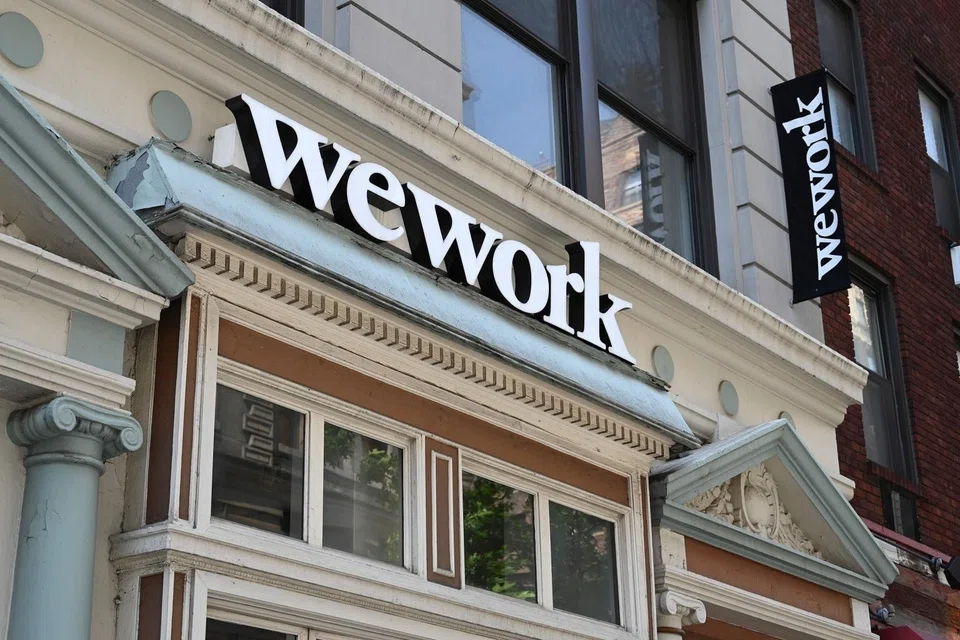
[NEW YORK] WeWork's spectacular decline last year has dented investor confidence in the property-technology industry, according to a new survey.
Only 45 per cent of so-called proptech investors said they plan to make more investments in 2020 than in 2019, down from a high of 64 per cent in the middle of last year.
Co-working startup WeWork's failed initial public offering helped the industry become more realistic about what works as a business model, said Aaron Block, co-founder of MetaProp NYC LLC, a New York-based venture capital firm focused on real estate technology, which produced the survey with the Real Estate Board of New York and the Royal Institution of Chartered Surveyors. Overall investor confidence, however, was higher at the end of 2019 than at the end of 2018.
The proptech industry became the latest buzzword and investment niche a few years ago. The category includes everything from building management technology, such as sensors to capture real-time data on temperature changes, to platforms such as Opendoor, which uses computer algorithms to buy and sell homes over an app.
Investors are likely to shift away from asset-heavy companies such as WeWork, which had an innovative business model but imploded in part over huge losses and no clear plan to profit, and focus more sharply on technological innovations that can disrupt the real estate industry, according to Mr Block.
Startups still remain confident about raising funds, with 81 per cent expecting it to be easier or about the same as in 2019 to raise venture capital in 2020.
Navigate Asia in
a new global order
Get the insights delivered to your inbox.
Meanwhile, WeWork parent We Co is remaking its management team and trying to salvage the situation. In the last week, the company appointed a new chief executive officer and added the first woman to its board, SoftBank Group Corp's Kirthiga Reddy.
BLOOMBERG
Share with us your feedback on BT's products and services
TRENDING NOW

US-China rivalry and the Kindleberger Trap: Why inaction – not escalation – is the biggest risk

Strengthening Asean’s economic resilience through RCEP’s 2027 review

Thai and Vietnamese farmers may stop planting rice because of the Iran war. Here’s why
Will the Philippines hit the brakes on a deregulated oil industry amid fuel pain?

