
Amazon launches Astro, a voice-controlled robot
The device can autonomously patrol the home and respond to voice commands
 Add BT as a preferred source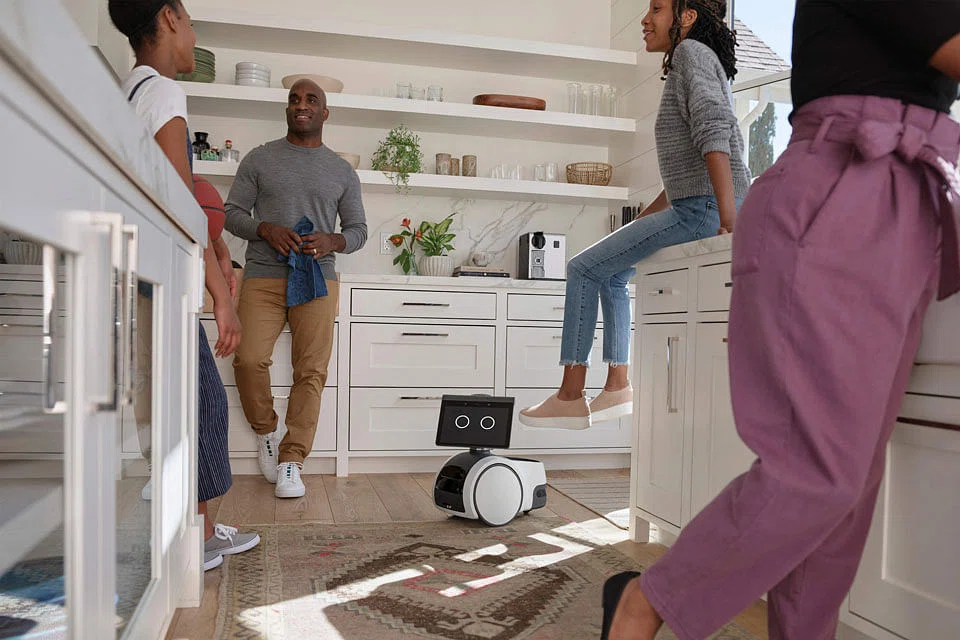
Seattle
AMAZON.COM on Tuesday unveiled a home robot called Astro, a screen on wheels that works with the company's Alexa voice software.
The bot, which Bloomberg first reported was in development in 2018, was shown at an Amazon product event on Tuesday checking on pets while a user was away and following a child through the home during a video call. It can autonomously patrol the home and respond to voice commands, and will cost US$1,000 for invited shoppers later this year.
The device's screen, which by default displays a pair of circles to imitate eyes, is capable of travelling about a metre per second.
Embedded cameras help the robot map its environment and navigate, and Astro also includes a periscope to expand its field of view.
"Customers don't just want Alexa on wheels," said Dave Limp, Amazon's devices and services chief. "We've embodied it with a unique persona that's all its own."
Navigate Asia in
a new global order
Get the insights delivered to your inbox.
Limp said the robot is part of an Amazon programme that makes devices still under development available. Astro will be sold on an invitation-only basis at an introductory price of US$1,000. After that, it will cost US$1,500, the company said.
The Seattle-based company has come a long way as a hardware player since a failed foray into smartphones a few years ago. Amazon has built a massive electronics business around its voice-controlled Echo smart speakers and accompanying Alexa software. Amazon has held new product unveilings in each of the last several years, an effort to position itself at the centre of the burgeoning market for smart-home gadgets.
The company doesn't release financial or operational results from its devices and services group, but Euromonitor International estimates Amazon's gadget line is the third-best-selling brand in the US by unit sales, trailing only Apple and Samsung Electronics. The vast majority of the products, however, are relatively inexpensive gizmos such as Fire TV streaming sticks or miniature Echo speakers. In Astro, Amazon, a company with a reputation for scrappy and utilitarian hardware, has set up its biggest test to date: selling a premium product with an eye-watering price tag.
Several of Amazon's other updates announced on Tuesday, from professional monitoring of Ring video cameras to an elder care application and new voices for Alexa, were geared toward adding paid or subscription services to Amazon's popular products.
The latest products and services include:
- A smart thermostat in partnership with Honeywell International. The US$60 device, which will sell for as little as US$10 with rebates, is a potential competitor to Alphabet's Google Nest.
- An Echo device with a wall-mounted 15-inch screen that can stream Prime Video and Netflix, display calendars and comes with a custom-built chip to help process voice commands.
- A tie-up with the Walt Disney Co to put Echo devices in the company's theme parks and hotels. Expected next year, they'll be equipped with new software, called Hey, Disney!, built on the technology behind Amazon's Alexa. That will enable visitors to interact with Disney characters and summon Alexa for other tasks. People with Echo devices at home will also be able to buy the functionality for their own devices.
- A new version of its fitness tracker, called Halo View, that incorporates a small screen for the first time. It will cost US$80, Amazon says. A new service, called Halo Fitness, targets major users of wrist-worn devices. Peloton shares fell on the news.
- Glow, a device that combines an 8-inch screen for video chatting with a projector that displays images on an adjacent 19-inch "touch-sensitive" projection area. The pitch is for kids to connect with loved ones by doing puzzles or drawing together. Available to begin with on an invite-only basis, the device costs US$250.
Ring is moving beyond its roots in do-it-yourself home security, releasing a set of products targeting the market for professional security services.
Amazon's devices unit has been a frequent target of criticism, from privacy advocates who question the wisdom of always-on microphones in the home, and civil liberties groups alarmed by Ring's partnerships with police departments and security practices. Those doubts haven't derailed Amazon's sales.
Meanwhile, the company has worked to burnish its privacy credentials, offering Alexa users more granular options to delete voice recordings captured by Amazon devices, encrypting videos picked up by Ring, and asking police departments to publicly request footage they want for investigations. An update announced on Tuesday and coming to some Echo devices will enable processing of user commands on the device itself, removing the need to transmit that data to Amazon's servers. BLOOMBERG
Decoding Asia newsletter: your guide to navigating Asia in a new global order. Sign up here to get Decoding Asia newsletter. Delivered to your inbox. Free.
Share with us your feedback on BT's products and services

