
Beijing ditches China's Internet playbook, but new giants will return
Companies adapt to the strictures quickly, so new players will keep popping up.
 Add BT as a preferred source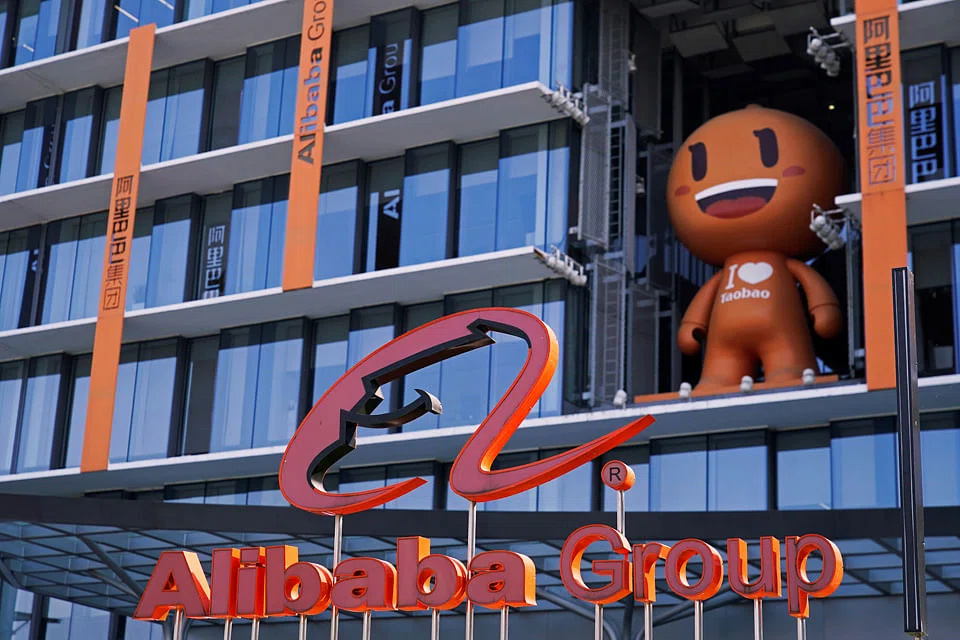
ALL the things that allowed China's Internet innovators to become big, powerful and hugely profitable are under threat. The implications are chilling for established players.
Draft rules detailed by China's antitrust watchdog on Tuesday are aimed at rooting out monopolistic practices among Internet companies, Bloomberg News reported. This could be invigorating for potential challengers to industry leaders such as Alibaba, Tencent and Baidu.
Take Alibaba. It has a side gig selling cloud-computing services, which has posted chronic operating losses as the company chases customers and market share. The profits of Alibaba's legacy e-commerce business have helped to buffer these losses, which widened 23 per cent last year to US$1 billion.
The new rules could put an end to this kind of subsidisation, forcing the company to raise prices and churn a profit, or even divest the business altogether.
Delivery and booking service giant Meituan could also be in regulators' sights. Within a year of its Hong Kong listing, it started reaping profits, thanks to its deep knowledge of consumer habits, which it leveraged to sell ads to vendors using its platform. This, too, could be in jeopardy under the antitrust rules, which would curb the use of data to target specific customers.
Games and social-networking company Tencent, e-retailer JD.Com Inc and search provider Baidu may also face scrutiny, given their size and dominance in their niches.
Navigate Asia in
a new global order
Get the insights delivered to your inbox.
Beijing's goal may be to clear the decks for fresh companies to enter. A challenger in the cloud business would struggle to compete if Alibaba, with US$60 billion in cash and equivalents, can just keep undercutting it until the new entrant runs out of money. In a market without competition rules, predatory pricing is just regular business.
With data being almost as valuable as cash, companies like Meituan and Tencent have a distinct advantage because they know the market and consumers better than any newbie company. Throttling that data flow could even the playing field.
It is possible this intervention will add fresh energy to an Internet market that has passed its growth heyday, exacerbated by a slowing of the Chinese domestic consumer sector and the pandemic-hit global economy. It may also let Beijing shepherd in new companies that better align with its economic and political goals, including tighter control over information and money flows.
The nixing last week of Ant Group's much-anticipated listing is evidence that not even the world's biggest IPO is immune to regulatory change. In Ant's case, the concern was over the fintech giant's risk-management and market dominance.
Hints as to Beijing's goal can be seen in plans to require variable interest entities (VIEs) to get operating approval. For more than a decade, VIEs have existed in a legal grey area that lets Chinese companies skirt restriction on foreign ownership. A clampdown may accelerate moves to delist from US markets and return home, a trend spurred by President Donald Trump's aggressive policies toward China.
Doing so would enable regulators to keep a tighter grip on money flows into and out of these giants, and redirect funds to projects better aligned with Beijing's China-first policies.
Regulation may well achieve the goal of limiting monopolies and opening up the market. But companies are quick to adapt, and new behemoths will appear. Beijing may be successful in stymieing China's current Big Tech cohort - but just do not expect the era of Internet leviathans to end. BLOOMBERG
Decoding Asia newsletter: your guide to navigating Asia in a new global order. Sign up here to get Decoding Asia newsletter. Delivered to your inbox. Free.
Share with us your feedback on BT's products and services

