

Binance booms as crypto trading unfolds beyond nations' reach
It's gotten into trouble with the authorities in the US, Britain, Germany, Thailand; and evidence has separately emerged that criminals are flocking to it
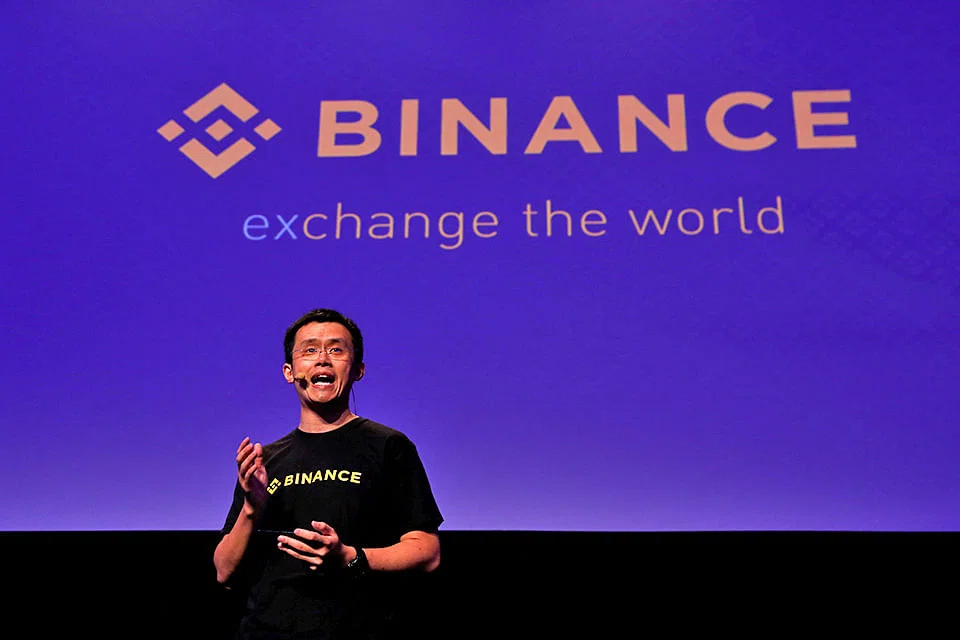
IT pays its staff in a digital token of its own devising. It is based wherever its founder happens to be. A growing list of countries want no part of it. Binance Holdings might just be the biggest, craziest thing in the big, crazy realm of cryptocurrencies.
Welcome to the world of Changpeng Zhao, the elusive, flip-flop-wearing software developer everyone calls CZ - and the brains behind Binance. For now, it is the largest cryptocurrency exchange on the planet, even though the UK just booted an affiliate and Thailand filed a criminal complaint against the firm for operating without a licence.
Founded in China, banished to Japan and later self-exiled to Malta, Binance today is officially domiciled in the Cayman Islands and, unofficially, headquartered precisely nowhere. The platform lives on the Internet and so far has seemed to elude regulators' attempts to pinpoint exactly how it operates and where.
At its heart is CZ, a crypto cult figure with about three million Twitter followers and a stated desire to minimise government oversight. Lately, he has been living in Singapore.
Only now, authorities in several countries want to know more about CZ's four-year-old experiment in crypto-commerce. The UK rebuke is one of the biggest blows so far: Binance Markets Ltd cannot offer products or even advertise - a move that prompted Barclays plc to block debit-card payments to the exchange.
The US Justice Department and the Internal Revenue Service were already investigating whether Binance is a conduit for money laundering and tax evasion. The Commodity Futures Trading Commission is probing whether Binance let Americans place wagers that violated US regulations. Germany's financial regulator said it is concerned the firm broke rules by selling tokenised shares of Tesla Inc and other companies.
Binance told Bloomberg it is committed to following the rules and strives to be a partner to watchdogs in routing out misconduct, a message the firm has delivered consistently.
Wild West
The scrutiny shows that in the Wild West of crypto - make that the Wild East, North and South, too - getting a handle on Binance presents myriad challenges. Last year, a US federal judge dismissed a lawsuit filed by a Binance contractor in Portland, Oregon, because the young company has neither offices nor managers in the US. The court ruled that it lacked jurisdiction.
The case was one for our meme-filled, crypto-denominated times. CZ acolytes refer to themselves as Binancians. And like all good Binancians, Steve Reynolds had been paid not in US dollars, euro or yen but in BNB, the company's crypto token. After Mr Reynolds fell out with Binance, he alleged CZ threatened to hurt him financially. Then, when Mr Reynolds checked his Binance account - it was empty. Some US$300,000 worth of BNB had been spirited out, he claimed.
"CZ personally stole money from me," Mr Reynolds said in an interview, reiterating allegations he made in his lawsuit. "There are people who have worked for Binance who believed and got screwed."
Binance denied it did anything wrong. Its lawyer, Roberto Gonzalez, a former Obama administration official, suggested during a hearing that the company had good reason to seize Mr Reynolds' funds, without offering specific details. Binance has used jurisdiction arguments in other litigation - thus far, keeping adversaries from probing internal company records for any signs of ties within the US.
CZ conceded in a July 6 blog post that Binance has not "always got everything right, but we are learning and improving every day". He added that cryptocurrencies need more regulation, so that more people feel safe participating in the market. He declined to be interviewed for this story.
Thriving ecosystem
With Bitcoin's meteoric rise, Binance has attracted legions of day traders eager to spend hours on computer screens swapping tokens. It is also arguably the dream of Libertarian-leaning crypto enthusiasts and the nightmare of the Federal Reserve and other central banks - it is a thriving financial ecosystem where governments cannot control the printing of money or easily monitor transactions, including for possible crimes.
Binance operates everything from digital wallets to its own blockchain that lets people build crypto trading apps to a popular cryptocurrency tracking website, which listed the BNB token as the fourth-biggest digital coin in the world last week after it surged a whopping 1,700 per cent over the past year.
Those who have crossed paths with CZ say he inspires something close to a religious-like following among adherents. They also say he is determined to avoid government red tape that could slow Binance's momentum, according to interviews with more than a dozen people who are familiar with the firm's operations. Most asked not to be named so they could speak candidly.
When the company faces criticism, CZ often takes to social media, labelling news articles FUD - an acronym for fear, uncertainty and doubt - that is the equivalent of tagging something fake news. During one March chat with fans on the Clubhouse social media platform, he said competitors have at times bribed journalists to write "bad things about Binance".
"We take our legal obligations very seriously," Binance said in its statement to Bloomberg. "Our company is less than four years old, and is evolving. We are proud of the compliance steps we've taken in this short period, and look forward to building more robust structures in the months and years to come."
For a self-professed crypto billionaire, CZ does not show it. The 44-year-old typically wears T-shirts and shorts but upgrades to Binance-branded apparel when appearing at crypto events or doing television interviews. He grew up in China's Jiangsu province, with his family moving to Vancouver when he was a teenager. After studying computer science at Montreal's McGill University, one of his first jobs was working for a trading platform at Bloomberg LP, the parent of Bloomberg News.
Binance's rise
By 2014, CZ was the chief technical officer of OKCoin, then China's biggest Bitcoin exchange. He helped launch an overseas trading platform with features that would later become hallmarks of Binance - was easy to use and offering customers lots of tokens to buy and sell. The platform also undercut rivals through lower transaction fees and freebies for Chinese residents.
In June 2017, CZ founded Binance, surrounding himself with an inner circle of Ivy League-educated lawyers and bankers who were eager for the chance to make fortunes by getting in on the ground floor of a startup. The firm's rise was fast, fuelled by Binance letting clients open an account with nothing more than an e-mail address. No identification was required.
Within a year, Binance's trading volume had surpassed all competitors; and CZ regularly told employees that it might become the first trillion-dollar company, according to a person who heard the remark. Still, Binance was not public, and CZ controlled the equity.
The company had other unusual characteristics. Binance workers lacked employee benefits, classified as contractors of an entity registered in the Cayman Islands, people familiar with the matter said.
Staff were also advised to keep any affiliations to Binance off professional websites like LinkedIn. Expenses were at times reimbursed from CZ's personal bank account, according to two people familiar with the matter. When the BNB token was less liquid, some workers recall its price spiked just before paydays, resulting in fewer Binance-created coins to meet payroll.
US problem
By 2018, Binance had a developing US problem. It was not registered with the Securities and Exchange Commission, CFTC or Treasury Department yet nearly 40 per cent of its business was in America. That is fine if exchanges are just letting US customers trade Bitcoin, which mostly falls outside regulators' oversight.
But Binance offers derivatives tied to tokens, according to its website, a no-no unless firms have proper authorisations.
Evidence separately emerged that criminals were flocking to Binance. After examining a number of transactions, Chainalysis Inc concluded that more funds tied to illicit activity flowed through Binance than any other crypto exchange, according to a report that the blockchain forensics firm released in January 2020. Chainalysis, in a more recent report, said people can readily purchase accounts for Binance and other exchanges on the dark Web.
Binance said in a Bloomberg story published in May that it adheres to anti-money laundering requirements in the jurisdictions in which it operates and works with firms like Chainalysis to improve its compliance systems.
References to hackers allegedly using Binance to move funds from ransomware attacks and other crimes have also popped up in US court dockets filed by federal prosecutors. And Binance workers realised at one point that the company's exchange was being used by Iranians, a possible violation of US sanctions, two people familiar with the matter said. CoinDesk reported in November 2018 that Binance sent an e-mail alert to customers who appeared to be based in Iran, demanding that they withdraw their assets.
"Regulators around the world are positioning their departments to scrutinise carefully exchanges, especially those with the reach, popularity and trading volume of an exchange like Binance," said Tonya Evans, a professor at Penn State Dickinson Law School who teaches a course on cryptocurrencies. "Exchanges that turn a blind eye to the regulatory concerns regarding money laundering, unregistered securities and payments for illegal activities, do so at their peril."
Binance says abiding by the rules is a top priority, a point underscored by its hiring of more than 200 compliance professionals in the past year. Last month, CZ took to Twitter to note that Binance was praised by Russian and Ukrainian law enforcement agencies for the company's help in tracking down cyber criminals.
Binance later issued a press release detailing how it worked with several nations, including US authorities, to investigate a criminal organisation known as Fancycat that it said is linked to more than US$500 million in ransomware damages.
CZ has also tried to emphasise Binance's efforts to keep Americans off its main exchange. During the March Clubhouse session, he said Binance does an extensive analysis of blockchain transactions to prevent unlawful activity.
"I believe we have the most advanced US person-detection algorithms in the industry, not just the crypto industry," CZ said, adding that the technology is so good that it sometimes inadvertently blocks customers who have merely visited the US.
In a sign that authorities are getting more aggressive, the US Justice Department filed criminal charges last year against four executives at BitMEX, a rival cryptocurrency exchange.
The allegations included failing to implement controls to prevent money laundering and terrorism financing, and allowing US residents to unlawfully trade Bitcoin futures. BLOOMBERG
Decoding Asia newsletter: your guide to navigating Asia in a new global order. Sign up here to get Decoding Asia newsletter. Delivered to your inbox. Free.
Share with us your feedback on BT's products and services
TRENDING NOW

World’s largest offshore wind platform by Seatrium consortium on track to be completed by 2028

Is stamp collecting enjoying an analogue revival or are its best days over?
GovTech retrenches another 38 staff in second round of layoffs
MBS adjusted property Ebitda falls 20.6% in Q3 with fewer high-roller visits, weaker hold

