Bosch invests 3b euros in chips, says shortage to last into 2023
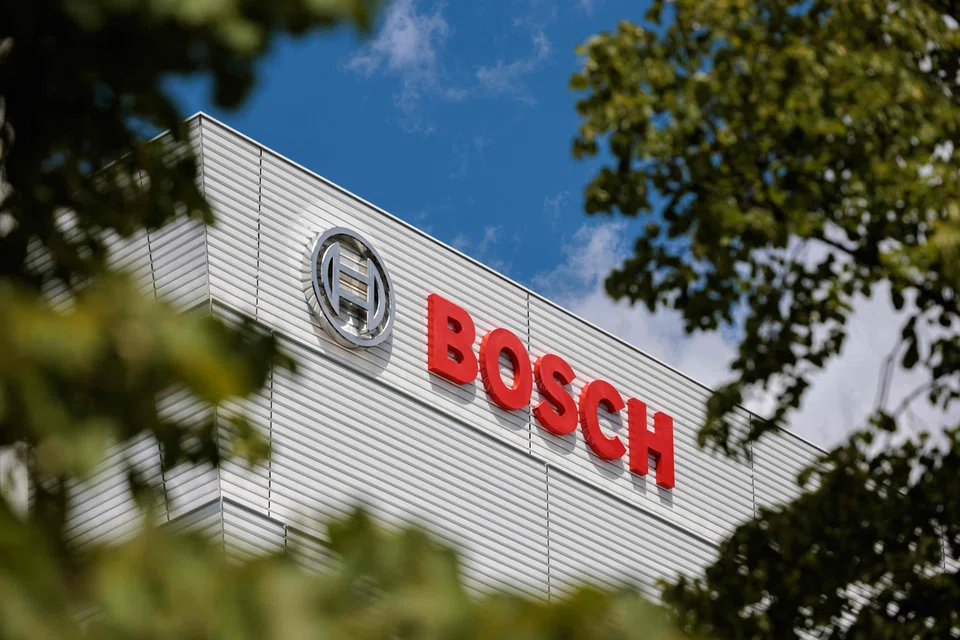
TECHNOLOGY group Bosch expects supply bottlenecks for some types of chips to last into 2023 even as inflation reduces demand for certain consumer goods, the company said on Wednesday (Jul 13) as it announced a 3 billion euro investment in chip production.
"A lot will ease up in 2022, but there will still be bottlenecks in 2023. Individual industries may need fewer chips if demand falls due to a possible downturn...but you can't build a strategy on that," chief executive Stefan Hartung said in an interview.
Bosch announced earlier on Wednesday it would invest 3 billion euros (S$4.2 billion) in chip production by 2026, the latest in a string of firms capitalising on European support for the industry to reduce dependence on suppliers abroad.
The group, which produces silicon carbide chips and micro sensors for everything from cars to earbuds, will put 170 million euros towards new development centres in Germany and 250 million euros towards expanding its wafer fab in Dresden.
Bosch will also explore making chips using gallium nitride, which can achieve a fourfold reduction in power loss compared with traditional silicon-based power chips.
While other chipmakers such as Intel have plans to develop tiny 2-nanometre chips, Bosch wafer fabs are designed for the 40 to 200 nanometre chips used in electromobility.

"The goal must be to produce chips for the specific needs of European industry. And that means not only chips at the bottom end of the nanoscale," chief executive Stefan Hartung said.
The company uses most of the chips it produces in its own products but also relies on supply from third-party manufacturers.
"Our suppliers are having to allocate their scarce resources in a targeted manner - we have to do the same with our customers," Hartung said. REUTERS
Decoding Asia newsletter: your guide to navigating Asia in a new global order. Sign up here to get Decoding Asia newsletter. Delivered to your inbox. Free.
Share with us your feedback on BT's products and services