CEO who failed in Silicon Valley spurs stock gain of more than 4,800% at home in Japan
Takanori Nakamura's expense software firm Rakus is latest Japanese startup to create vast riches for its founder after going public; his net worth is about US$1.9b now
Tokyo
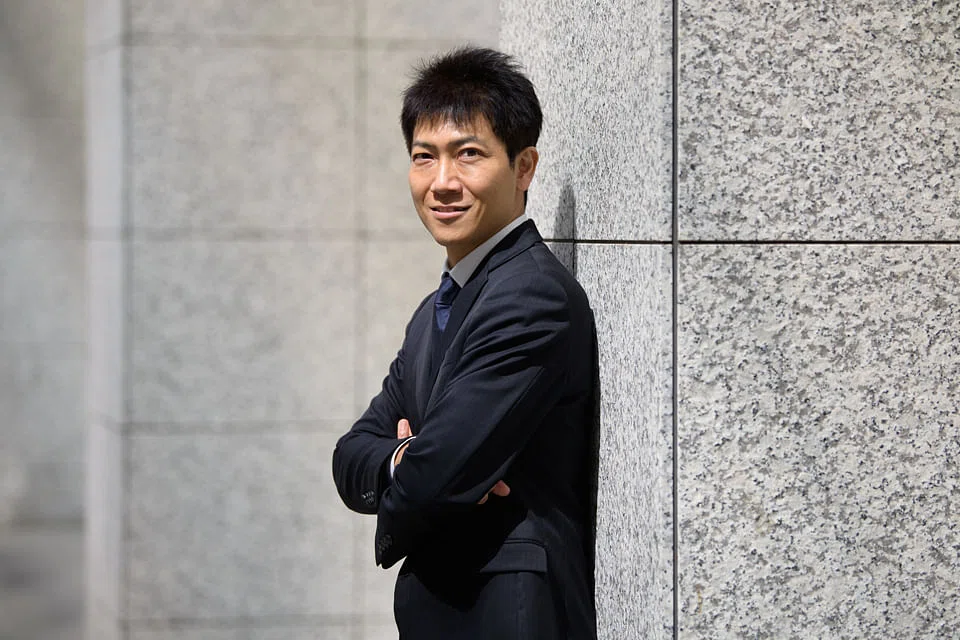
TAKANORI Nakamura pulled out of Silicon Valley in 2015 after his mobile marketing software flopped and decided to focus everything on his home country, Japan.
Now those efforts are paying off.
His company, Rakus Co, has surged more than 4,800 per cent since going public in Tokyo that year for one of the best performances on the country's benchmark stock index.
Mr Nakamura, who owns 34 per cent of the cloud-based expense software firm and serves as its president and chief executive officer, has seen his net worth jump to about US$1.9 billion, according to the Bloomberg Billionaires Index.
Rakus, whose shares climbed 6.3 per cent on Tuesday in Tokyo, is the latest Japanese startup to create vast riches for its founder as its stock surged after going public.
It's also another example of how some of the country's hottest stocks apply technologies like artificial intelligence or cloud computing but in business areas that could be described as mundane.
"It doesn't feel real," Mr Nakamura, 48, said of his newfound wealth. "I wanted to be able to eat out without worrying about the cost," he said. "I'm very grateful I don't have to anymore."
Mr Nakamura said that he loved reading rags-to-riches tales as a boy and decided in high school that he wanted to be an entrepreneur.
After graduating from Kobe University, he joined the telecommunications giant Nippon Telegraph & Telephone Corp in 1996, but he quit after about a year.
He founded the predecessor of Rakus in 2000 as a business that trained engineers to use Linux, the open-source operating system.
The company branched out into different areas, including email services and a system that helps automate data processing.
In 2009, it launched its current main business, a software program called Raku Raku Seisan, meaning "easy, easy settlement" in English, that allows workers to create expense reports online. Later, the company developed a mobile version.
The software initially failed to take off.
Mr Nakamura, meanwhile, set his sights on succeeding in Silicon Valley. He developed software that helps companies see how effective their marketing is on social networks, and decide whether to keep or pull ads.
"I thought we needed a start in overseas markets" because of Japan's declining population, Nakamura recalled.
But the business flopped. It couldn't compete with US startups, which were pouring huge amounts of money into their businesses, according to Mr Nakamura.
"It was a bit too much for us," he said. "I realised that, given the resources we have, our chances of winning would be better if we went all-in in our home market."
In December 2015, he took Rakus public in Tokyo. As smartphones became more popular in Japan, Raku Raku Seisan began to take off. Today, the service has more than 8,000 corporate customers, according to the company.
Goldman Sachs Group analyst Takashi Miyazaki initiated coverage of the stock with a "neutral" rating in October, saying Rakus has major potential for medium to long-term growth. In March, he raised his rating to "buy".
"Rakus has a clear target pool of clients for each and every one of its products," Mr Miyazaki said. "That strategy is working extremely well."
Rakus estimates about 100,000 small and medium-sized firms in Japan could use its expense software. Its first target is to win business from 20,000 of them, Mr Nakamura said.
The company will benefit from people working from home needing to file expense reports online, Jefferies analyst Hiroko Sato wrote in a report last month.
But Mr Sato has a "hold" rating on the stock, saying it already trades at a premium to peers.
Rakus is valued at 448 times estimated earnings, according to data compiled by Bloomberg.
The company reported operating profit of 3.9 billion yen (S$48.5 million) in the year ended March, more than triple the 1.2 billion yen a year earlier.
Both Mr Sato and Goldman's Mr Miyazaki expect earnings growth to slow this year as the company spends heavily on marketing to capture market share.
Still, Mr Nakamura says making big outlays to ensure future success is one of the lessons he learned from Silicon Valley.
"If you don't spend on marketing and expenses, you can't sell your products," he noted. How much you spend defines "how much of the pie you can take," he added.
Whatever happens with the business, Mr Nakamura said being a billionaire won't change his life. "I had Matsuya's beef curry rice for lunch today," he said, referring to a Japanese eatery where meals can cost less than US$10. BLOOMBERG
Decoding Asia newsletter: your guide to navigating Asia in a new global order. Sign up here to get Decoding Asia newsletter. Delivered to your inbox. Free.
Share with us your feedback on BT's products and services