China's BGI gets Australian foothold through mass Covid-19 test delivery
 Add BT as a preferred source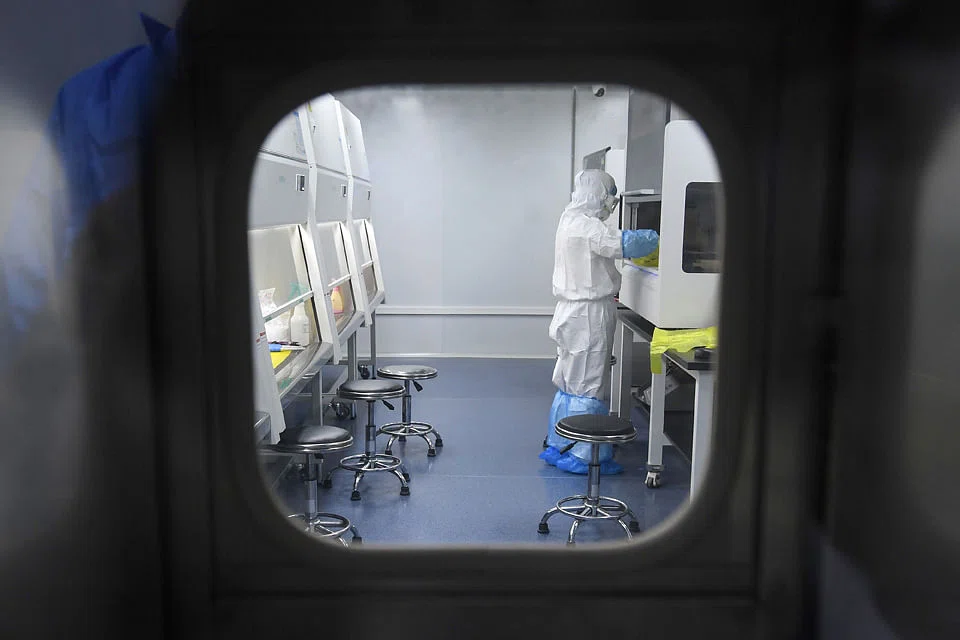
Sydney
AUSTRALIA says its purchase of 10 million novel coronavirus test kits from Chinese genomics company BGI will not risk patient privacy, as researchers hope for greater price competition in a biotech market dominated by a US rival.
The deal was struck even as relations between Australia and China have been strained by Australia's call for a global enquiry into the novel coronavirus outbreak, which China has framed as a US-led attempt to blame it for the pandemic.
BGI - Beijing Genomics Institute - has grown into one of the world's largest genomics companies in the two decades since it worked on the Human Genome Project. It has one lab in Australia and had been seeking to expand its genome sequencing services.
BGI, whose BGI Genomics Co is listed on the Shenzhen stock exchange, was named as having "evident links" to the Chinese government in a US Trade Office report into Chinese technology transfer practices that was used to justify the US imposition of tariffs on Chinese exports.
There are also concerns about its work in China, including providing gene technology used for surveillance of the Uighur ethnic minority in China's western Xinjiang region.
Navigate Asia in
a new global order
Get the insights delivered to your inbox.
BGI is also defending multiple patent lawsuits from US firm Illumina Inc, the dominant player in the Australian market.
But unlike the Australian government's move to effectively exclude Chinese telecom giant Huawei from its 5G network on national security grounds because of its perceived links to Beijing, security agencies have approved the mass use of BGI technology to combat the novel coronavirus.
Australian pathology companies have installed BGI's nucleic acid extraction machines in 11 laboratories, to process the tests automatically, BGI said in a statement.
A spokesperson for Australian health minister Greg Hunt said privacy laws covered pathology tests and patient data, and the use of BGI equipment had been approved by security agencies. "BGI will have no access to patient information as they will not be operating the labs," he said in a statement, with pathology companies required to comply with security agency advice on installing BGI's technology.
"The extent of BGI's involvement with existing Australian laboratories will be limited to the installation of Covid-19 pathology testing platforms and training of staff." Asked about privacy concerns, BGI Australia director Bicheng Yang said Australian pathology labs would operate under national guidelines. "BGI provided technology transfer and the equipment does not collect personal data. The process tests the viral RNA (ribonucleic acid) only, if it is present," Mr Yang said in a statement to Reuters.
The technology used to test for Covid-19 is different from those used in the diagnosis of other rare diseases, cancer and birth defects in pregnancy, but the scale of the novel coronavirus programme will boost BGI's links with Australian laboratories, Australian researchers who work with BGI said. REUTERS
Decoding Asia newsletter: your guide to navigating Asia in a new global order. Sign up here to get Decoding Asia newsletter. Delivered to your inbox. Free.
Share with us your feedback on BT's products and services