China's Meitu sets up regional HQ in S'pore
Singapore
STEP aside, Xiaomi and Huawei. Budding Chinese smartphone maker Meitu, too, has set its sights on Singapore and South-east Asia (SEA), having recently set up Meitu Mobile - a joint venture between Xiamen-based startup Meitu Technology and Taiwan's electronics manufacturing firm Foxconn - in Singapore, The Business Times has learnt.
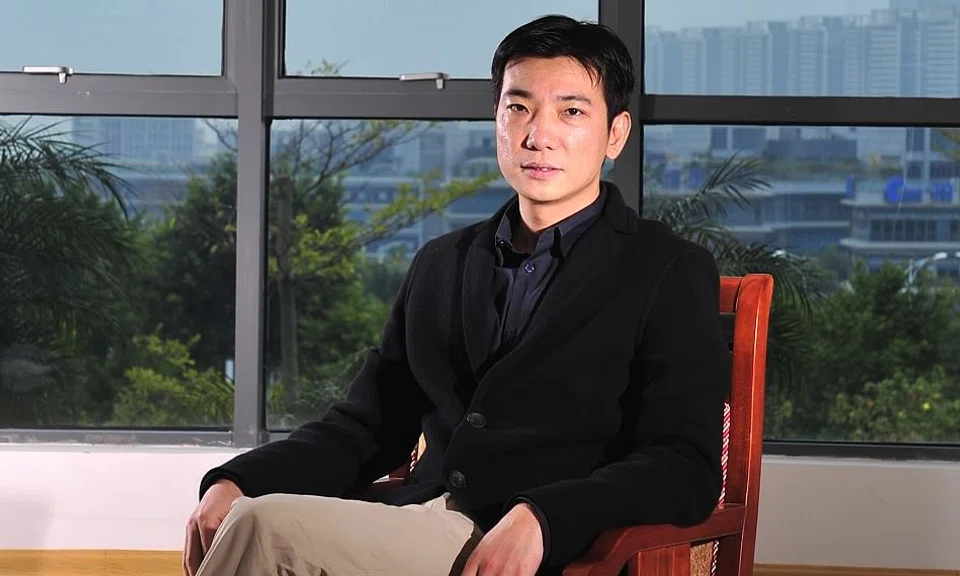
Meitu Mobile will serve as the regional headquarters for the sales, strategic planning and future R&D for Meitu smartphones, said Cai Wensheng, Meitu chairman and one of China's top angel investors.
Mr Cai told BT that he personally chose Singapore for its sound business and legal infrastructure, and that it is a springboard to SEA, a burgeoning yet largely untapped market.
Meitu smartphones - designed for devoted selfie takers, who are mostly female - are expected to retail here in the next year; they are currently officially available only in China.
Meanwhile, Meitu is looking to partner Singapore startups to create technologies to incorporate into its smartphones and slew of photo-centric apps, among them photo-editing app Meitu XiuXiu and video-editing app Meipai, which have collectively amassed some 920 million users.
"Startups, in creating technologies driven by market needs, may actually see quicker exits," said Mr Cai, who is also a resident entrepreneur at Singapore HealthTech - a private investment company that invests in Singapore-based startups - a role he defines as mentoring startups and helping them break into China.
Singapore entrepreneurs, especially those dabbling in technology and the Internet, can afford to be more "disruptive" and less "by the book", he shared, on top of being competent and principled.
They should also from day one cast their net wider and look to SEA as their market, by virtue of Singapore's small hinterland, he added.
For the startup ecosystem to mature, venture capitalists (VCs), too, should rethink their investing ethos, said Mr Cai, who has reportedly invested in several hundred websites, earning him the nickname King of the Webmasters.
He said: "Many Singapore VCs are still locked in a traditional mindset, with some still observing price-earning ratios, and others, generally less risk-taking when it comes to investing in younger companies."
But getting in early could at times come to be more lucrative, Mr Cai said, citing how some early investors of Google and Facebook have made spectacular returns.
Take Jeff Bezos, founder of Amazon, for instance. In 1998, when Google's offices were in a Menlo Park, California garage, Mr Bezos invested US$250,000 of personal funds into the fledgling search engine because he liked Larry Page and Sergey Brin's customer-centric focus and personalities as technologists and leaders. When Google went public six years later, that US$250,000 investment reportedly translated into US$280 million worth of Google stock.
Likewise, Palo Alto-based VC firm Accel Partners in 2005 invested about US$12.2 million in Facebook, which was said to have translated into nearly US$10 billion at Facebook's IPO in 2012.
The mechanics of VC investing are slowly evolving, said Mr Cai. The founding or executive team of a startup is increasingly holding a majority stake in the business, where previously VCs would hold more shareholdings purely on account of their investment. "More VCs are recognising that the executive team should own more shares because they know the market best and are doing the actual work."
The serial entrepreneur and investor in 2003 founded 265.com - a domain-navigation website that lists links to popular Chinese websites - because he found it frustrating to have to type domain names in English; he has a rudimentary grasp of the language. In 2007, 265.com was sold to Google China for an undisclosed sum. Mr Cai's earliest ventures include registering hundreds of thousands of domain names - a tactic known as cyber-squatting - from which he purportedly made over S$100 million.