

Connected generation to gain from open Internet
Having to pay for a priority lane for data could stifle innovation for connected devices
New York
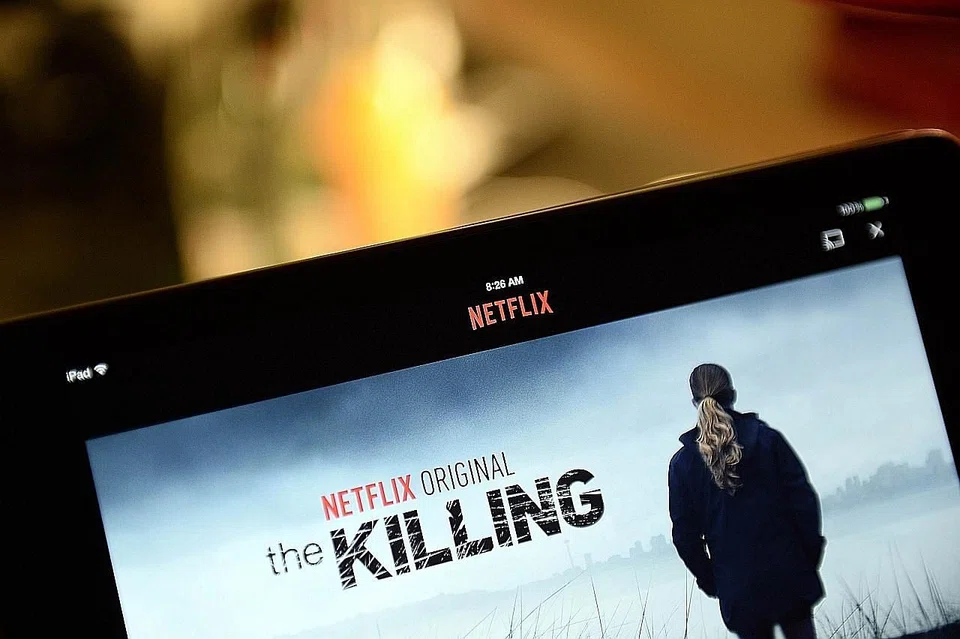
US President Barack Obama's proposal for an open Internet would be a victory for Netflix Inc and its binge-watching users, and may be a bigger boon for a generation of start-ups working on tools to connect cars, thermostats and even offshore oil rigs to the Web.
In urging the US Federal Communications Commission (FCC) to regulate broadband under the "strongest possible rules", Mr Obama aligned himself with Netflix Inc, Reddit Inc, Yahoo Inc and others that contend that equal transmission speeds are better for their customers. He proposed an explicit ban on Internet-service providers being able to demand extra payments for speedy delivery of content and data.
Start-ups as varied as smart-device maker Spark Labs, inventor Quirky and electric system Avi-on are working on chips and software that can do everything from entertain your dog with an Internet-connected toy to hooking up all the lighting in your home to the Web. The open Internet should be of interest to everyone in the US, as more and more devices are digitally connected for remote monitoring.
Having to pay for a priority lane for data over the Internet could stifle innovation in the budding industry for Web-connected devices, which research firm IDC expects to reach US$3 trillion by 2020, up from US$1.3 trillion this year.
"For start-ups, our advantage over a big company is we move fast," Zach Supalla, chief executive officer of Spark Labs, said in an interview. "If something starts to slow us down, that's where we start to lose our advantage over the bigger guys who obviously have a lot more resources."
The tolls and extra fees favoured by cable and wireless companies - though burdensome for established companies like Google Inc or Yahoo - would pose an even bigger financial challenge to newer companies dependent on venture capitalist cash to make payroll while developing new software and gadgets.
Proposals around fast lanes for the Internet would have "crushed product innovation in America", said Barbara van Schewick, a law professor at Stanford University. "Those kinds of companies would have no chance in the world where they would have to pay to be competitive with everyone else."
Consolidation in the cable industry has reduced the number of Internet providers in the US, and that has heightened calls from public policy groups for a government-backed guarantee that all websites will be treated equally. Mr Obama's suggested route would have the FCC oversee broadband companies in the same way that it regulates phone companies.
Cable and wireless-service providers responded swiftly and sharply, saying that stricter rules for the Web would be bad for business. AT&T Inc went so far as to say that if the government chooses to regulate the Internet like a public utility, the company will challenge it legally.
Under Mr Obama's proposal, Internet providers would not be able to give superior service to content providers willing to pay for it. Netflix, Amazon.com Inc or Google's YouTube would be on equal footing in terms of how quickly and seamlessly their customers could download and stream, and start-ups without deep pockets could introduce new technologies with the same Internet access as richer competitors.
"It has tremendous implications," said Rebecca Lieb, an analyst at Atimeter Group. "When a company is placed in the slow lane or the fast lane - depending on whether they're paying to play or not with the telcos - this is going to impact the user experience." In some cases, tech companies unable to pay "could actually go belly-up", she said.
The growing movement to make devices and everyday items more intelligent typically depends on connecting to the Web to make the technology work. Data, video and images are uploaded online, and sometime analysed by software, to perform tasks such as changing a room's temperature or alerting a homeowner about an intruder.
Established technology players are investing in building up their connected-device offerings. Intel Corp created an Internet of Things group, which makes chips for connected devices used in retail, industrial and smart home systems and brought it US$530 million last quarter. Google bought digital thermostat company Nest Labs for US$3.2 billion this year, which in turn bought in-home camera start-up Dropcam Inc for more than US$500 million.
Fast lanes would affect anything that transmits a lot of data, such as sending healthcare images or security monitoring for a football stadium, said Chetan Sharma, an independent wireless analyst. The impact would especially be felt over the long haul as the average amount of data transmitted by a connected device grows tenfold by 2017 and 2018, he added. BLOOMBERG
TRENDING NOW

South-east Asia has lost Nvidia’s best salesman

Demand, tech capabilities position Apac and AI as Skyscanner’s next growth frontiers: CEO Bryan Batista

Peter Kwee’s Ridley Park bungalow on the market with S$100 million asking price

Beyond the greenback, Vietnam’s big borrowers turn to Asian-currency bonds

