

Encryption is the key to cloud security
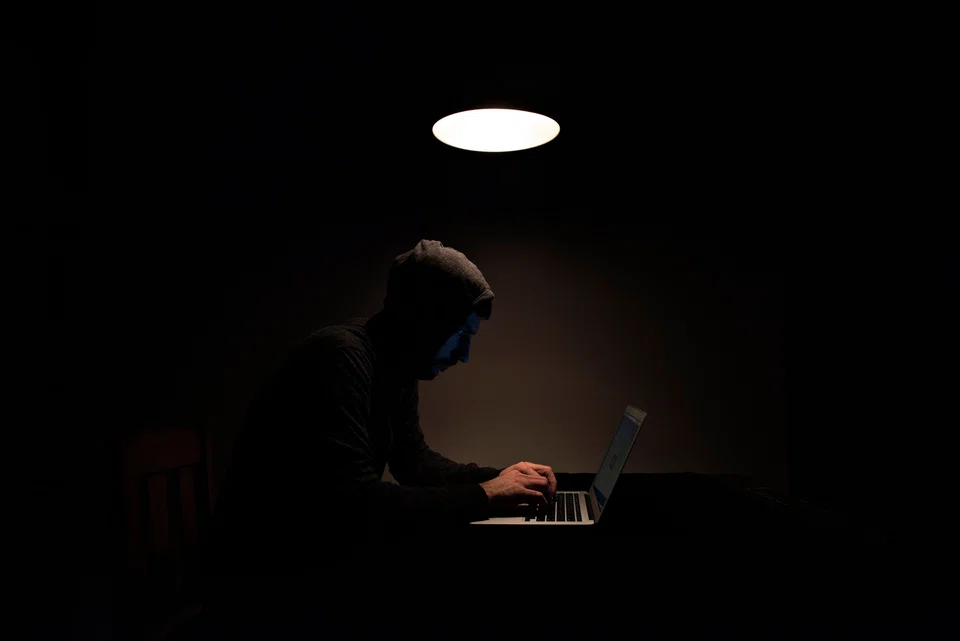
CONCERNED about security of your data?
Store your files in the cloud. Despite news headlines brimming with stories about leaked nude celebrity pictures and hacked computers, the cloud remains the safest place for your files.
Cloud vendors, however, face a difficult task to educate consumers on best practices to avoid stress and embarrassment associated with data loss.
Recently Aliyun, a cloud computing unit backed by the Chinese e-commerce giant Alibaba, issued a Data Protection Pact reassuring its customers of data security and committing to improving capabilities to protect data against threats. Other vendors develop encryption technology to increase consumer confidence in their products.
Most news are about things that go wrong, not what goes right. We never hear about the millions of people who take advantage of cloud storage and enjoy the security provided by the cloud. We don't hear about it because it's standard.
Despite frequent reports, the actual amount of data that is lost in the cloud is minimal compared to the volume compromised on local computers and storage devices every day.
If you compare the number of cloud failures with the amount of data which becomes compromised or inaccessible on computers, mobile phones or tablets, you'll see the vast difference in favour of the cloud.
Keeping files on a local computer, external hard drives and USB flash drives means risking them being lost, stolen, damaged or just broken.
Most cloud breaches are caused by user errors or insufficient account security. When hackers broke celebrity iCloud accounts and posted intimate pictures on 4chan image sharing website, Apple was quick to defend itself.
"After more than 40 hours of investigation, we have discovered that certain celebrity accounts were compromised by a very targeted attack on user names, passwords and security questions, a practice that has become all too common on the Internet. None of the cases we have investigated has resulted from any breach in any of Apple's systems including iCloud or Find my iPhone," Apple said in a statement.
In other words, the software giant suggested that stronger passwords and security questions could have prevented the disaster.
The notion of cloud vulnerably has also crawled into mainstream entertainment. A 2014 American comedy film Sex Tape, directed by Jake Kasdan, portrays a young couple whose private video got automatically synchronised to multiple devices over the cloud. The couple didn't know what to do and went on a mission to locate the devices that had the offending footage.
Encryption tools
The issue with conventional cloud services is that once the password is cracked, information become accessible. Cloud vendors need to give users sufficient tools to encrypt the data so that if someone does access their files, they won't be able to use them.
For example, Acronis secures data stored in the cloud by generating a unique security key for the customer. This key is saved by the account holder and is required to unlock the data for future use.
While the privacy of personal pictures is important, businesses face a greater task securing their digital content. Security of intellectual property, employee personal details and other sensitive data cannot be underestimated.
Jon Cahill, head of Zero41 software consultancy firm specialising in app development has said that most cloud storage companies take data security very seriously and have excellent teams working to ensure the data is safe.
The Cloud Security Alliance has recently produced a data security report, identifying data breach and data loss among the major threats to cloud computing. The report said that for both consumers and businesses, the prospect of permanently losing data is terrifying.
Companies have to make a choice between investing in disaster recovery software or brace themselves for the data loss and the cost associated with it. For most users, it's not a matter of if it will happen, but more a matter of when it will happen.
According to the 2015 Cost of Data Breach Study conducted by IBM and Ponemon Institute, the average total cost of a data breach increased to US$3.79 million, up from US$3.52 million last year. And it costs US$154 to restore each record of sensitive data.
However, the study indicated that business continuity management reduced the cost of data breach remediation by an average of US$7.10 per record.
Business continuity may include ongoing data backups and a clear action plan in the event of data loss. It can also be outsourced to a data security company providing Disaster Recover as a Service (DRaaS) products with a capability to restore business operations in the cloud while the local network is being patched up.
Location of the data centres must also be considered when selecting a cloud vendor. Some countries require keeping personal data onshore to avoid potential conflict with overseas regulators.
Nearly every reputable cloud storage provider has a presence in multiple countries. It is always best to do some research and store your data in the best region for speed and security.
The fact that the files are safer in the cloud then they are at home, goes without question. What users need to understand is that the more sensitive the data is, the more layers of protection it needs. Encryption keys and extra backups are a good starting point to protect your business and save yourself from those embarrassing moments.
TRENDING NOW

JPMorgan, BlackRock among those making bid to manage CPF savings

Andrew Lim to step down as CLI group COO and head of its private funds business from Dec 31

BN-PN’s Melaka election landslide puts spotlight on jobs, investments and political divides

GIC in talks to lease bulk of 88,000 sq ft CapitaSky space to be vacated by Allianz

