

FCC can block subsidised purchases of Huawei's 5G technology, US court rules
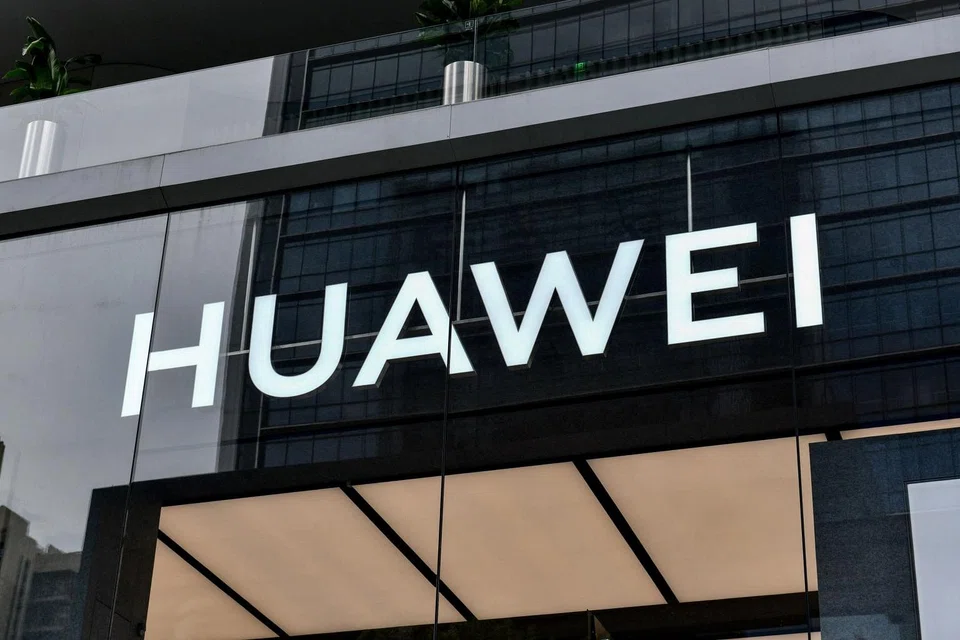
[HOUSTON] Huawei Technologies can't subsidise the sale of its 5G telecom technology with federal funds earmarked for US broadband development because the Federal Communications Commission (FCC) properly determined the company is a national security threat, a US appeals court ruled.
Huawei sued to overturn a 2019 FCC order barring the use of taxpayer funds to subsidise purchases from the Chinese company over concerns its equipment and network are vulnerable to hackers and too closely tied to Chinese military intelligence.
A three-judge federal appeals panel in New Orleans - including two judges appointed by former President Donald Trump - agreed with the FCC.
In a 61-page opinion, the judges said Huawei's complaint that the FCC was usurping the role of State Department or other foreign-relations experts "gives us pause".
"If we were convinced that the FCC is here acting as 'a sort of junior-varsity' State Department," wrote US Circuit Judge Stuart Kyle Duncan, a Trump appointee, "we would set the rule aside. But no such skullduggery is afoot. Assessing security risks to telecom networks falls in the FCC's wheelhouse."
The judges technically denied Huawei's petition for review, which effectively upheld the trial judge's ruling in favour of the FCC.
Michael Carvin, one of Huawei's lawyers, declined to comment on Friday's ruling.
The company claimed the FCC overstepped its authority, intruded on the president's right to make national security determinations, and skipped required steps in the federal decision-making process.
Huawei said the FCC's order stigmatised the company and drove away customers fearful of investing in 5G technology opposed by the Trump administration. However, the FCC's order came after similarly negative national security assessments were made by the UK, Japan, Australia and New Zealand.
The agency argued it had properly evaluated congressional and Justice Department evidence to determine that Huawei's lower costs were outweighed by national security concerns.
On Tuesday, the FCC voted to expand the ban to additional products, including widely used surveillance cameras, made by Huawei and four other Chinese electronics companies.
During oral arguments, the appellate judges grilled Huawei on its refusal to eliminate technological backdoors that could let China spy on American conversations and data transmissions.
BLOOMBERG
Decoding Asia newsletter: your guide to navigating Asia in a new global order. Sign up here to get Decoding Asia newsletter. Delivered to your inbox. Free.
Share with us your feedback on BT's products and services
TRENDING NOW

One-third of Singapore-listed firms at risk in severe AI downturn: MAS

‘Not done’: Keppel CEO Loh Chin Hua transformed the group, but says there’s ‘still a lot to do’

He built the Vingroup empire. Now South-east Asia’s richest man is handing some key roles to his sons

‘We don’t want to stay as we are’: CEO Patrick Ng builds a more resilient Huationg

