Getting ahead of ourselves, and our crimes
How can we mitigate the potential risks to privacy and choice arising from AI and pre-crime tech?
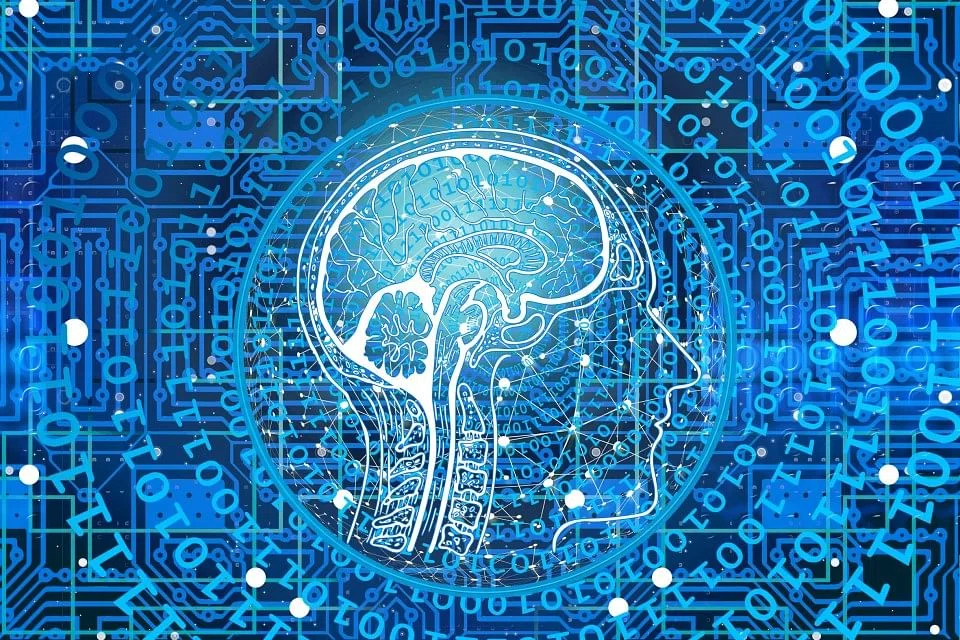
ADVANCEMENTS in artificial intelligence (AI) combined with increasing availability of behavioural data has made pre-crime a possibility. This is the ability to predict a future threat or non-compliance event. You may recall the movie Minority Report - today, pre-crime is no longer relegated to a remote possibility within science fiction but an actively pursued ambition.
What would the unlocking of such capabilities truly mean? Would it be an Orwellian social system or a true vanguard of safety? Given the broad range of possibilities, it is important for there to be a clear agenda on how such insight would be used in order to mitigate potential risks arising from pre-crime tech.
There are manifold reasons for a future threat or event of non-compliance - for example, unintentional error, deliberate intent, general non-compliance and so forth. However, the common process of their detection is primarily through investigation or audit.