

IoT integration improving Singapore's education sector
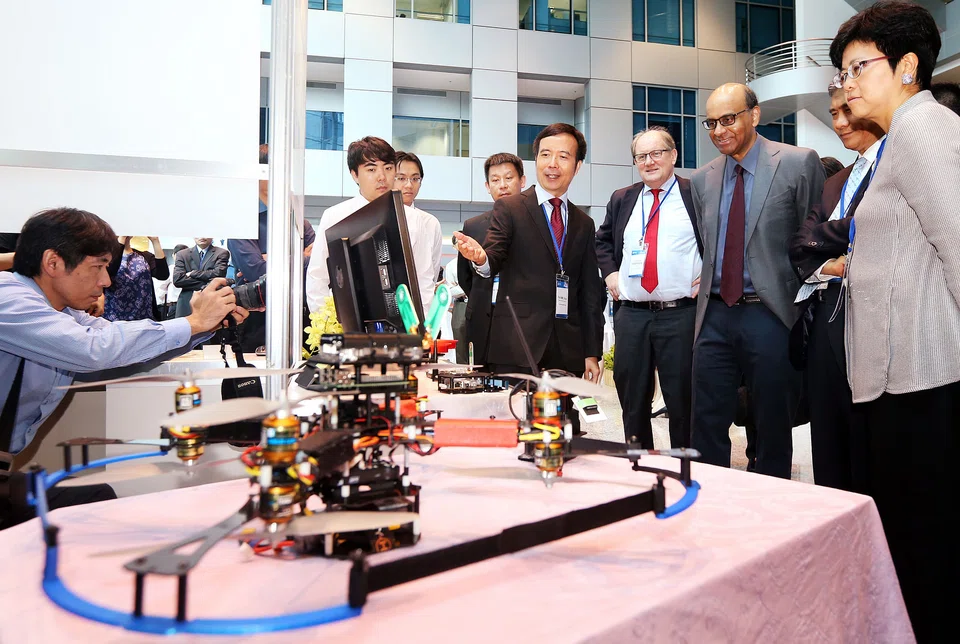
THE Internet of things (IoT) is a network of physical objects that are connected to the Internet and, by extension, one another. These objects - sensors, smartphones, watches, and electronic items - transmit data via the Internet to the cloud, providing a smarter experience for the user. Research firm IDC has reported that the worldwide IoT market would grow from US$655.8 billion in 2014 to US$1.7 trillion in 2020.
The learning and education domain, with no exception, falls well within the gamut of the IoT. In fact, through the effective use of technology, it is possible to create an infrastructure that can meet education-related needs in Singapore.
The launch of smart classrooms in schools is also expected to change the face of education. Thus, the implementation of IoT in the education industry with outright accountability will improve the quality of the learning process, allowing teachers and students to conduct lessons and discussions remotely through video-conferencing and other systems. IoT has become a part of our everyday life and the future too will be dominated by the same. Its prevalence in the education sector is increasingly becoming noteworthy.
TRENDING NOW
DBS remains analysts’ pick ahead of Q3 earnings after Singapore banks’ share slump

Singapore identifies 7 firms responsible for haze fires, notices issued urging action: Grace Fu

Good Class Bungalow market activity picks up pace on ‘realistic’ pricing

High Court rules against Julius Baer’s Singapore trust arm in US$50 million family trust dispute

