IT revolution falling short of its promise: World Bank
Report says a large part of the world's population is still being denied the benefits of digital technologies
Tokyo
THE so-called information technology (IT) revolution is falling short of bringing the universal benefits it initially promised because a large part of the world's population is still unable to access these benefits, the World Bank said in a report on Wednesday.
Digital technologies are transforming the worlds of business, work, and government, but a very large part of the world's population is still being denied the benefits of this change through a myriad of deficiencies in education, governance and infrastructure, the World Bank charged in its latest World Development Report.
"While the Internet, mobile phones and other digital technologies are spreading rapidly throughout the developing world, the anticipated digital dividends of higher growth, more jobs, and better public services have fallen short of expectations."
Meanwhile, some "60 per cent of the world's population remains excluded from the ever-expanding digital economy".
The benefits of rapid digital expansion "have been skewed towards the wealthy, skilled, and influential around the world, who are better positioned to take advantage of the new technologies", the World Bank found.
"In addition, though the number of Internet users worldwide has more than tripled since 2005, four billion people still lack access to the Internet."
The impact of technology on global productivity, expansion of opportunity for the poor and middle class, and the spread of accountable governance "has so far been less than expected", the report noted.
"Digital technologies are spreading rapidly, but digital dividends - growth, jobs and services - have lagged behind."
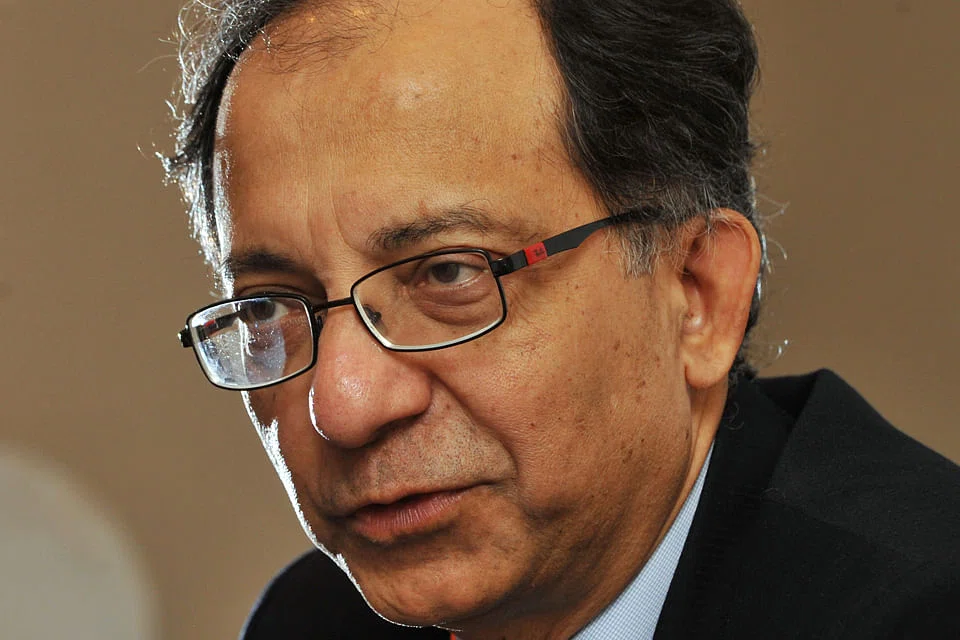
The digital revolution is transforming the world, aiding information flows, and facilitating the rise of developing nations that are able to take advantage of these new opportunities, World Bank chief economist Kaushik Basu said in Washington.
"It is an amazing transformation that today, 40 per cent of the world's population is connected by the Internet. While these achievements are to be celebrated, there is also occasion to be mindful that we do not create a new underclass.
"With nearly 20 per cent of the world's population unable to read and write, the spread of digital technologies alone is unlikely to spell the end of the global knowledge divide."
Although there are many individual success stories, the effect of technology on global productivity, expansion of opportunity for the poor and middle class, and the spread of accountable governance has so far been less than expected, the World Bank said.
Digital technologies can promote inclusion, efficiency, and innovation, the World Bank suggested, citing the fact that "there are eight million entrepreneurs in China - one third of them women - who use an e-commerce platform to sell goods nationally and export to 120 countries".
India too "has provided unique digital identification to nearly one billion people in five years, and increased access and reduced corruption in public services".
But countries need to "close the digital divide by making the Internet universal, affordable, open, and safe; and strengthening regulations that ensure competition among business, adapting workers' skills to the demands of the new economy and fostering accountable institutions".
Digital development strategies "need to be much broader than information and communication technology (ICT) strategies," the report suggested.
"To reap the greatest benefits, countries must create the right environment for technology: regulations that facilitate competition and market entry, skills that enable workers to leverage the digital economy, and institutions that are accountable to people. Digital technologies can, in turn, accelerate the pace of development."
Investing in basic infrastructure, reducing the cost of doing business, lowering trade barriers, facilitating entry of startups, strengthening competition authorities, and facilitating competition across digital platforms are some of the measures suggested.