I've already lived in the metaverse, and it was a little sad

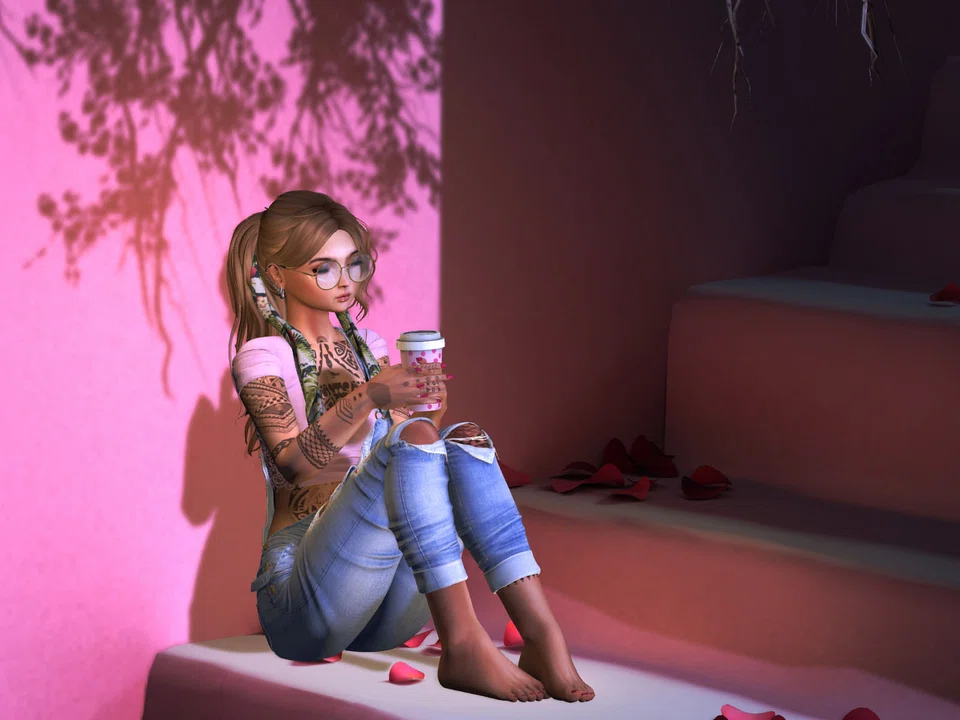
THE strangest thing I experienced in 2021 was the "metaverse" taking off as a buzzword, as if it were anything new. It isn't.
In 2003, Linden Lab launched Second Life (SL): a 3D virtual world. I signed up a few years after that. There, I had 2 best friends. One was a young woman from the Netherlands, who went by "Mystique". The other was a man from Germany - I forget what he called himself - who liked to stand around in a pirate suit, building things.
We mostly hung out in a club owned and deejay-ed by a guy named Frank, with a gravelly voice and a grumpy disposition. Mystique worked as a (virtual) stripper, so she spent a lot of time on the poles. I played Texas Hold'Em on the gaming tables meanwhile, until a 2007 crackdown on online casinos put an end to that.
SL is a proto-metaverse of avatars, with a relatively small but loyal community. Many are digital creators, drawn by the lure of being able to design, build, script and sell whatever they want. The world remains populated with 750,000 monthly active users, a spokesperson for Linden Lab recently told Time.
Nearly anything can be created in SL. Designer skins, clothing and accessories for avatars; artworks and monuments; spaceships and sailboats. Many are scripted objects that when activated with a click, animate your avatar's pose and movements. That means your avatar can dance, float and do anything else you can imagine.
There are no game objectives in SL, except for games that players build themselves. People mostly chat by typing, but there's also a voice chat function, and music is almost always streaming.
Importantly, players are able to buy and sell virtual goods and services using Linden dollars: SL's currency, which can be bought and withdrawn at any time for USD. Lindens are also used to buy virtual plots of land. The world is free to access, but paying subscribers get a weekly stipend and a piece of land for their private homes.
Quest for an escape
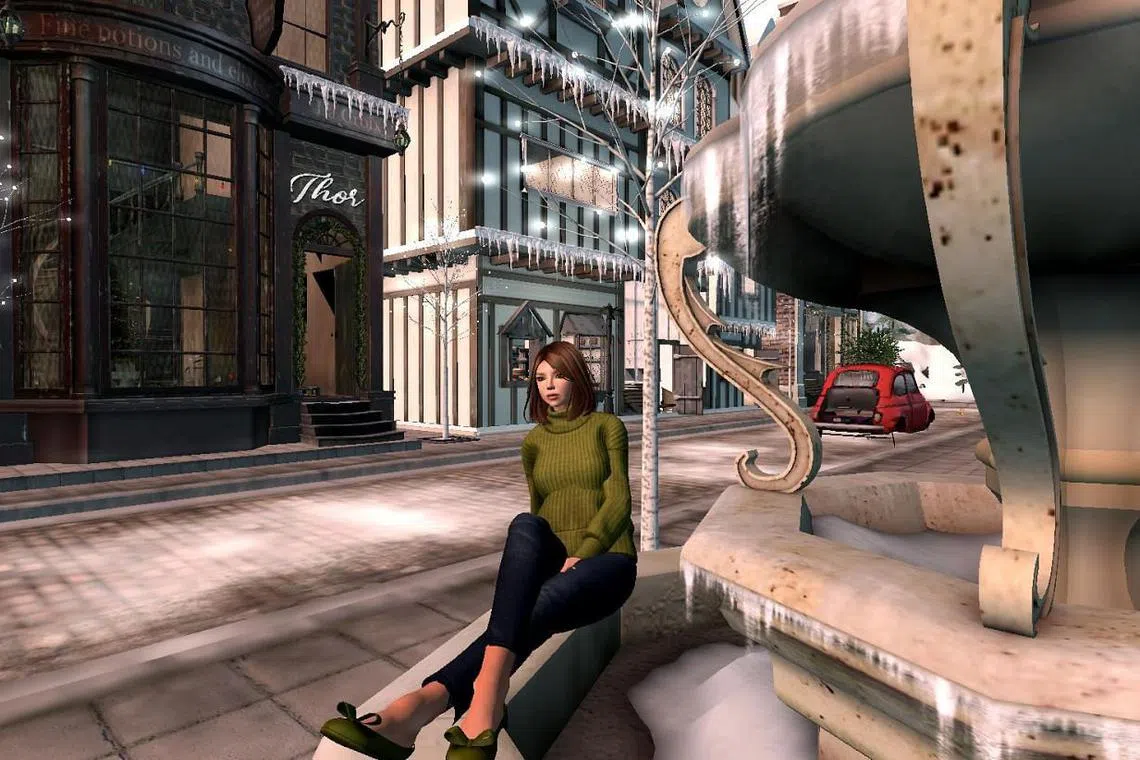
With the fresh hype surrounding metaverses, I decide to step into SL once again. Within an hour, I've set up an account and slid into the skin of my new avatar. She looks presentable enough, if nothing like me.
After a quick refresher on how to walk, jump and fly, I visit a town square billed as a newcomer-friendly zone. I speak to a bespectacled hamster from England ("misterwrong"), who declines to provide their age or other identifying details. "I can't see age as an issue here," they say. "If you're 70, you can look 21." Evidently, you can also look like a hamster.
Mark Zuckerberg's vision of a new metaverse is "of no consequence to me", says misterwrong. He - or she - has used SL for 12 years, but describes himself as a technophobe. "I don't use social media, except this platform. I see Facebook, or whatever, wanting control of all that we see, hear and read. There's no privacy left for the people. Here, there are no bloody adverts, or companies trying to fleece you."
But there are plenty of digital objects on sale, I point out.
"Have you tried creating in SL? It takes time and skills, which need to be paid for, just as in real life."
On cue, a nearby avatar ("Redna87") identifies herself as Alex, a 34-year-old from Norway. A full stack developer in real life, she's played SL on-and-off since the age of 22. On SL, she charges fellow players 1,000 Lindens (EUR 2.75) to have photographs taken of their avatars and processed in Photoshop. It's a pittance, but she enjoys it as a hobby.
Alex is looking forward to trying Zuckerberg's version of the metaverse. But she's unimpressed by Microsoft's pitch, which centres on virtual workspaces. "A metaverse is a virtual space with complete freedom to do anything. This is something Microsoft Teams is not."
Alex and misterwrong have something in common. Neither is here to be the real versions of themselves, working real jobs, tied to real constraints and obligations. If the real-verse had everything they wanted, they wouldn't need a meta one.
Like actual life, but darker
Several days later I am back on SL, keen to know what today's players really use it for. The most popular activity, as I rapidly discover, hasn't changed from the old days when I played: clubbing.
Poorly dressed for the occasion, my avatar stumbles into a house party on a beachfront manor. The couch looks like a safe place to sit alone, but I'm mistaken. A stray click lands my avatar in a compromising activity with an unknown male, displacing his female companion in the process. Thankfully, everyone has their clothes on.
"Oh my goodness," breathes the female deejay over voice chat. "Who is that?"
Someone else chimes in: "It says she's 3 days old." It's probably the woman I displaced, right-clicking on my avatar to view my profile information. I hear titters from the peanut gallery.
This is the worst party ever, I decide.
Mortified, I teleport away. But I can't find a better place to be. There are beautiful spaces, where I can ride horses or listen to haunting Christmas carols while I walk on snowy paths. There are even galleries where I can read snippets of poetry, or watch archival footage from the world wars. But these places are barren of people. The metaverse is a cultural desert.
Remarkably little has changed about SL since I last played, so long ago. For nigh on 2 decades now, players have had nearly limitless options at their fingertips. In that time, they could have used the metaverse to hold talks and classes, populate museums and libraries, or raise funds for social causes.
Instead, players continue to while away their second lives on shopping, partying, fleeting romances and vice activities. Efforts by lofty names to build a serious community presence have failed: Reuters set up a "virtual news bureau" in SL in 2006, and bowed out 2 years later. Countries like Sweden and Estonia even opened embassies - but we don't talk about that anymore.
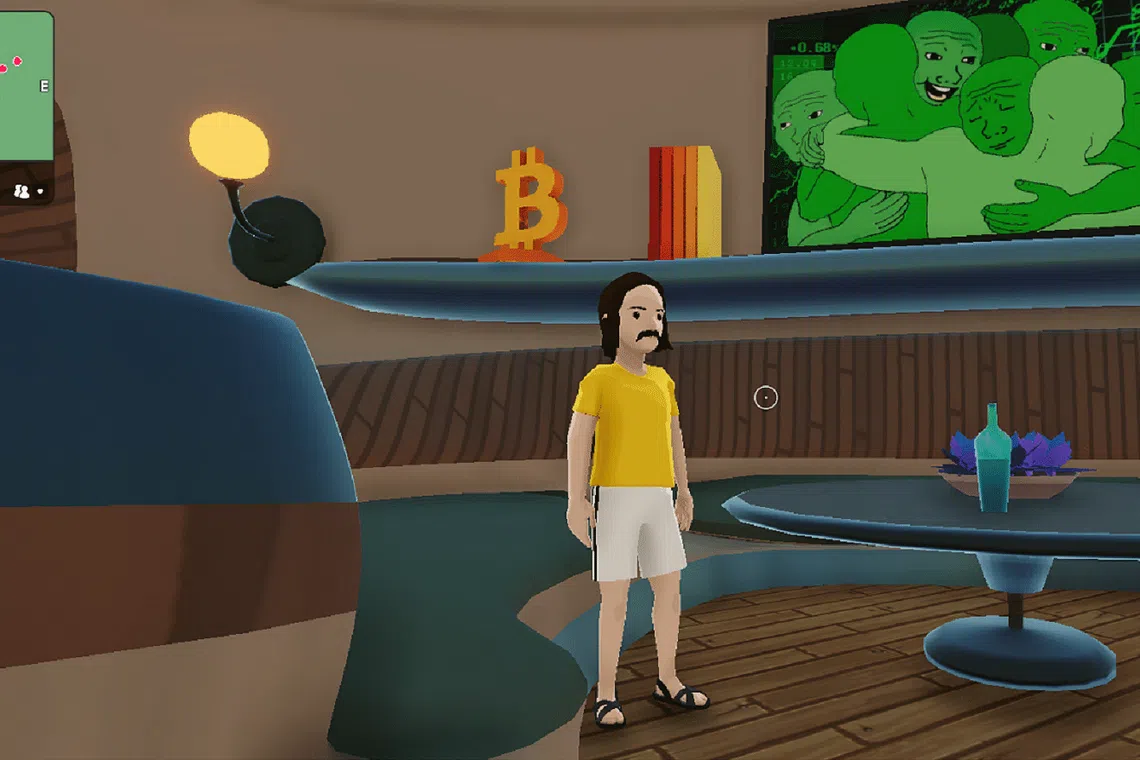
Why then, are we pretending like the metaverse is a bold new thing? Why, as though in a collective manic dream, are virtual land plots selling for millions on Decentraland - a much clunkier, uglier, nascent imitation of SL, with still only a fraction of its active users?
Is this time different?
My techno-optimistic side tells me that technology is making remarkable strides. It will allow faster loading times, improved user experiences and larger numbers of concurrent users.
More real-world applications and intersections will arise, supported by the use of affordable, light, wearable technologies. Interoperable currencies and devices will facilitate seamless travel across metaverses.
My inner cynic says there is simply too much money at stake in cryptocurrency markets, searching ravenously for a use case.
Despite SL's initial promise, the metaverse never grew beyond 1 million monthly active users. Many more joined and left, like I did.
To draw me into a metaverse again, I will need to see evidence of scale. The people I know in real life need to be using it. And they need to be using it all day, every day: safely, responsibly and productively.
To succeed, the metaverse must grow beyond a niche community - vibrant and creative, but ultimately mired in humanity's basest impulses. And for that to happen, it must evolve beyond mere escapism, or a way to kill spare time in a fantastical world. It must become a new and better way of living in the real world.
Until and unless that happens, don't rush to buy land in virtual worlds. Not unless you're investing in a place to hold some rather scandalous 3D parties. And if that's your intent, well - no judgment. But there's already a metaverse for that.
Decoding Asia newsletter: your guide to navigating Asia in a new global order. Sign up here to get Decoding Asia newsletter. Delivered to your inbox. Free.
Copyright SPH Media. All rights reserved.