

Korea to consider increasing scrutiny over Kakao after outages
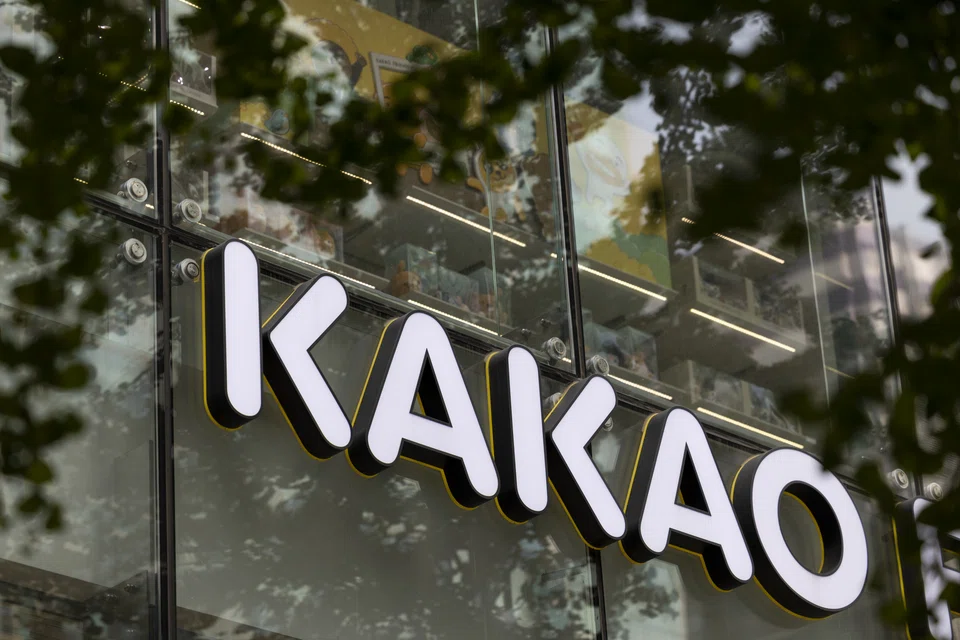
SOUTH Korean lawmakers plan to discuss stepping up government oversight of Kakao after hours-long service outages over the weekend prompted criticism over the Internet giant’s reliability.
The ruling People Power Party said its lawmakers and government officials will meet on Wednesday (Oct 19) to discuss possible revisions to the broadcasting communications law so that private data centres, such as those housing Kakao and Naver servers, come under the same regulations as other national disaster management facilities during emergencies.
Changes could include requiring private businesses to report to the government in the event of any service disruption, and implementing fines of up to 3 per cent of revenues if they fail to do so, according to Yonhap News. Lawmakers also plan to summon and question Kakao and Naver founders as well as SK chairman during a Parliamentary hearing on Monday, according to the office of main opposition lawmaker Jo Seounglae.
Public criticism of Kakao and its affiliates has increased following the blaze at an SK C&C data centre in the south of Seoul on Saturday. The Internet giant struggled for hours to recover operations of its popular messaging service, widely used by government officials and businesses. Its services including payment, banking and gaming were halted during that time. As of Tuesday, major services including KakaoTalk, Korea’s No 1 messenger app, were mostly restored while some mail services were still limited.
The disruptions highlighted the nation’s dependence on the group, which has been the target of regulatory crackdowns due to its market dominance. Kakao has faced public complaints, including that Kakaopay executives sold the stocks shortly after going public.
“Although the network is run by a private company, it’s practically national communications infrastructure,” South Korean President Yoon Suk Yeol told reporters on Monday. “If a monopoly or an oligopoly causes market distortions and acts like national infrastructure, I think the government should take action.”
Shares of Kakao and its affiliates Kakaopay and KakaoBank bounced back early Tuesday following an earlier slump. Kakaopay is still down nearly 80 per cent so far this year, making it the biggest loser on the benchmark Kospi. BLOOMBERG
Decoding Asia newsletter: your guide to navigating Asia in a new global order. Sign up here to get Decoding Asia newsletter. Delivered to your inbox. Free.
Share with us your feedback on BT's products and services
TRENDING NOW
Incidence of civil servants buying property near unannounced MRT stations ‘a concern’, but may not establish misconduct: PSD

Grab CEO’s wife Chloe Tong on life with Anthony Tan and finding her purpose

Income Insurance appoints former Manulife Singapore top man as new CEO

HDB reviewing ‘jumbo’ flat scheme after Telok Blangah unit listed for sale at S$2.18m

