

Media-shy Tencent tycoon joins debate on HK's future
Hong Kong
ONE of China's most prominent Internet tycoons is wading into a famously contentious political arena.
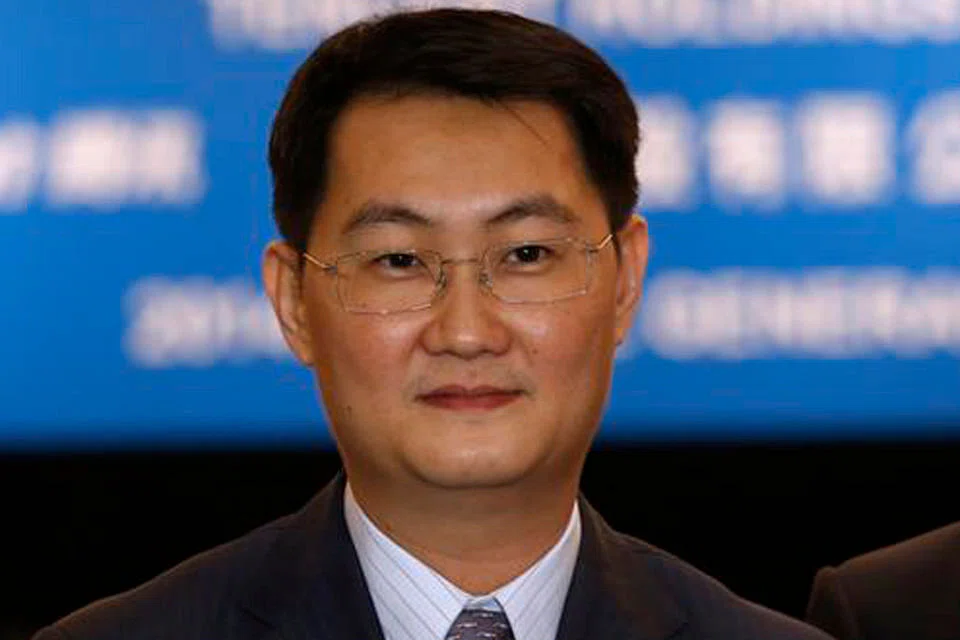
In an unusual move, Tencent Holdings Ltd's billionaire founder Pony Ma has chosen to convene a summit of government academics and business chieftains in Hong Kong days before the 20th anniversary of its return to China.
The head of the country's biggest corporation wants to fire up a debate about an issue that's fomented protests and fears about Beijing's agenda: how to entwine the self-run former British colony with the mainland.
This July 1 - a lightning-rod for anti-Chinese demonstrations as well as patriotic displays - marks the first time Chinese President Xi Jinping will visit the city since taking office.
The normally publicity-shy Mr Ma has chosen this juncture to again tout his proposal of setting up a Silicon Valley-like haven for technology and innovation linking Hong Kong and Macau with the southern province of Guangdong, Tencent's home base.
Tuesday's conference thrusts influential Chinese business people and investors alongside some of the Hong Kong property moguls that dominate the local economy.
In one camp: Mr Ma, Hillhouse Capital CEO Zhang Lei and Wang Wei, China's fourth richest man; in the other, New World Development Co vice-chairman Adrian Cheng and Henderson China chairman Peter Lee.
It will feature discussions on the "one country, two systems" framework that underpins Hong Kong's autonomy - an assurance some critics say is increasingly under threat.
"The typical move is just to keep your head down ahead of July 1 and the Party Congress," said Andy Mok, managing director for Beijing-based Internet consultancy Red Pagoda Resources, referring to a leadership reshuffle later this year.
"It could be that Tencent sees this as an internal strategic move to strengthen its dominance in gaming, finance, and it also creates a symbolic meaning of leadership," he said, calling Mr Ma's effort "a bold move".
Temperatures tend to run high around July 1 in a city where opinions run the gamut from a need for total self-determination to full acceptance of central control.
Mr Ma risks stirring such sentiments at a time when observers have grown increasingly concerned about Beijing's influence over business and local government.
Alibaba Group Holding Ltd co-founder Jack Ma's acquisition of the South China Morning Post last year ignited a debate about Chinese control of the city's media.
And Mr Pony Ma's ideas have already run into resistance: critics say initial plans for Hong Kong and mainland Chinese immigration and Customs officials to share locations - to speed border crossings - violate the one-country, two-systems framework.
Mr Ma's emergence into the spotlight is highly unusual for a Chinese entrepreneur who shuns media appearances and interviews. He graces at most a couple of high-profile events a year, at which he consistently refrains from extensive public pronouncements.
It reflects how a new generation of Chinese tech tycoons are fast becoming de-facto ambassadors for their country. Mr Jack Ma is among the most assured of his cohort, jetting around the world to plug his vision of helping small businesses thrive.
Mr Xi has identified the Internet as one of the most important sectors for official oversight. He's reminded the country's technology parvenus to "demonstrate positive energy in purifying cyberspace" and called for regular contact with new media representatives to build support for the party's agenda. BLOOMBERG






