

Politics seen overshadowing deals at media moguls' summit

New York
THE titans of media and technology are back in Sun Valley, Idaho, for their annual summit to plot the future of their industries, but it seems like world politics and the economy are what everyone really wants to talk about.
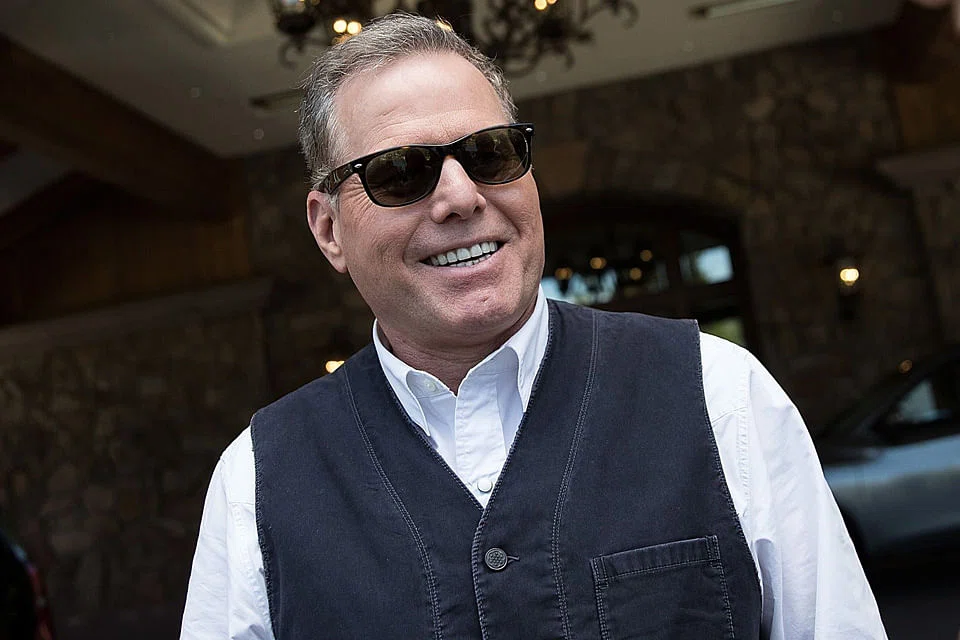
Take David Zaslav, whose Discovery Communications Inc has made big bets on TV rights for European sports. Holding court with reporters on Tuesday, he focused as much on the continent's poor-performing economy as he did the changing media landscape. Western Europe, excluding the UK, has been in a recession for the past 10 years, said Mr Zaslav, 56, citing the lack of wage growth and high unemployment. The situation in Europe right now is a "recipe for some real challenges". "It doesn't look right now like it's going to get a lot better," he said after arriving in Sun Valley, where the conference is hosted each year by Allen & Co.
While the conference typically focuses on technology, telecom and media, and has spawned more than a few big mergers, this year's lineup features more government and foreign delegations. Participants include Stanley McChrystal, the former US commander in Afghanistan, and John Miller, deputy commissioner of intelligence and counter-terrorism for the New York Police Department. Panels start on Wednesday morning.
Others arriving on Tuesday included Michael Eisner, former chief executive officer of Walt Disney Co, Comcast Corp CEO Brian Roberts, and Hollywood super agents Michael Ovitz and Jeff Berg, a board member at Oracle Corp. Mr Ovitz, co-founder of Creative Artists Associates, said that Britain's withdrawal from the European Union will be a key topic during the five-day conference, along with the economic fallout and the US presidential race.
Mr Zaslav, CEO of Silver Spring, Maryland-based Discovery, said that obtaining exclusive programming for viewers has become more crucial for entertainment companies, even in Europe's slow economy. Technology and telecommunications companies have built up capabilities to deliver a so-called quadruple play - offering telephone, TV, Internet and mobile services - only to find they need shows, games and videos to deliver over those networks.
Discovery generated about half of its US$6.39 billion in 2015 revenue outside the U.S. "The marketplace for content is growing," Mr Zaslav said. "If you own really good quality content, there's going to be a lot more opportunity to grow your market share."
Discovery has done about 75 sports rights deals in the past 18 months, Mr Zaslav said. While costs for the most popular sports have soared, with soccer up 90 per cent, Discovery has focused on less-expensive cycling and tennis in Europe, he said. The costs for those, as well as the Olympics, are "much more manageable", Mr Zaslav said.
Europe and Latin America represent the most attractive opportunities, he said. Conventional TV viewing in Eastern Europe, Latin America and parts of Asia is still growing, he said.
Many companies have spent a tonne of capital building up "quadruple play" offerings to homes, only to realise that they need unique programming to distinguish themselves.
"People are consuming more content now in a meaningful way than they ever have," he said. "They just consume it on more platforms. It's a question of making sure your content is on all those platforms."
To prepare for conference attendees and their families, the Sun Valley resort set up a number of entertainment areas for children and teens, including ping pong tables, lawn games and Coca-Cola-branded refrigerators. Large white tents will serve as shaded lounge areas, with couches and magazines. BLOOMBERG






