

Prepper Pinterest makes prepping look normal
This strain of prepperism goes mainstream with focus on basic emergency readiness
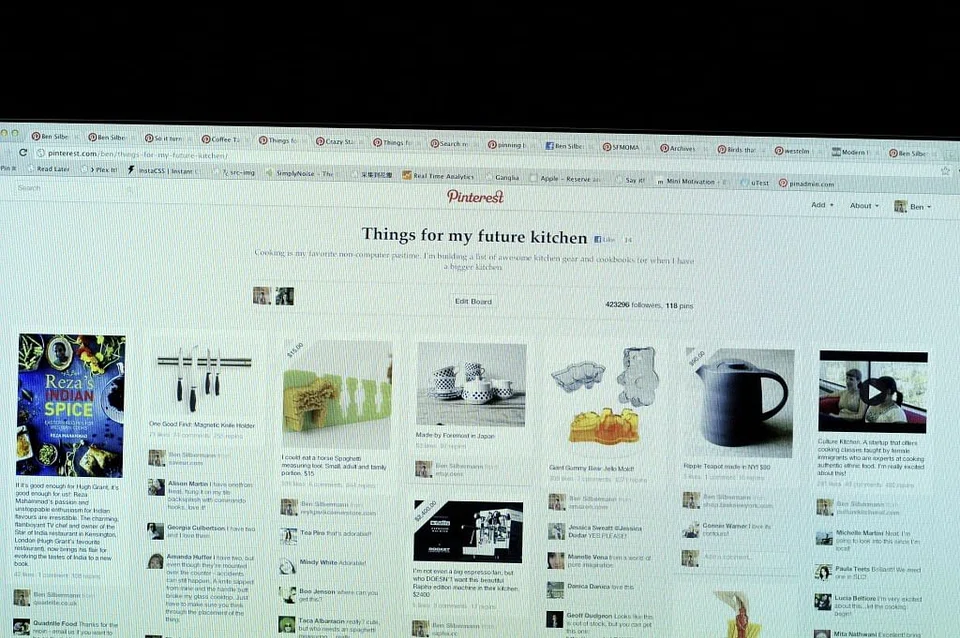
Washington
PINTEREST, the aspirational candyland of women everywhere, has long been beloved by home buyers, wedding planners, mothers, narcissists and people who spend too much time on their hair.
Now you can add another, odder demographic to the list: doomsday preppers, whose rabid interest in all things DIY actually makes for a pretty comfortable cultural fit.
Prepper Pinterest has exploded in the past year, according to the site itself: The total volume of prepper pins is up 87 per cent, and repins of prepping posts have nearly tripled. Leading preppers on the platform, such as Angela Paskett, Damian Brindle and Glenn Levy, have racked up tens of thousands of followers.
It is the conclusive sign, perhaps, that the much-maligned prepper movement has finally gone mainstream - or that a particularly precious branch of it has, at least. One popular infographic, currently circulating among Pinterest's prepper ranks, depicts a "luxury bomb shelter" complete with self-filtering bathtubs and scented oxygen tanks.
"When I first started prepping, Pinterest was where I did research," said Jane Baldwin, a suburban mother of two and the powerhouse behind the popular blog Mom with a Prep. "There were things I didn't know how to do - and Pinterest was this great reference."
Ms Baldwin, whose first-ever blog post was actually about using Pinterest as a prepping resource, wants to make it clear that she is not like those wild-eyed, camouflaged "doomsday preppers" you've seen on TV. ("We do not think the world is going to end," she stressed. "We do not have storerooms.") Sure, she admits, the prepper movement has its tinfoil-hat conspiracists, its bunker-builders, its end-timers. But the Pinterest strain of prepperism, so wildly and widely popular these days, is more practical, more moderate - more kitschy, even.
Instead of preparing for a nuclear bomb or a total economic collapse, this branch of preppers cares more about basic emergency readiness - say, in case of a job loss or a natural disaster. And it involves less stockpiling and hunkering down (though there is some of that) than it does knowing how to feed and clothe yourself in case stores are closed or you are short on cash.
Ms Baldwin, for instance, has an entire board devoted to Mason jar crafts, right up there with her boards on camping, soapmaking, beekeeping and bug-out bags. "Our grandparents grew up like this," she said. "Prepping is just a return to the skills and the self-reliance our grandparents had."
This is not, needless to say, the vision of the prepper movement that the media has historically portrayed. Modern prepperism grew out of the survivalist movements of the 80s and 90s - isolationist, anti-government and conspiracy-minded, those groups did a lot to poison the public understanding of the more moderate preppers that would come after.
The first of those moderates - we'll call them the proto-preppers - surfaced with the Y2K craze in the late 90s, stockpiling bottled water and toilet paper "just in case". As the decade wore on, history would seem to affirm the prepper call for caution: Both Hurricane Katrina and the great recession exposed gaping holes in institutional safety nets and emergency response systems. In fact, Google tracks the first widespread use of the term "prepper" to the height of the recession.
"This was initially a label people didn't want," said Chad Huddleston, a cultural anthropologist who has spent the past six years studying mid-western preppers. "But more and more lately, people are admitting it, they're kind of coming out of the prepper closet. They're not ashamed of the label anymore."
It may help that mainstream culture has, in the past 10 years, become more hospitable to the prepper ethic - thanks, in large part, to a trend that Jessica Grose once dubbed "the Pinterest effect". Young women have revitalised the US$29 billion craft industry, prodded along by ideas on Etsy, Pinterest and lifestyle blogs. Concerns about the origins of our food gave us farmers' markets, first - followed by urban farms and "Modern Farmers" and backyard chicken coops.
"We've done a lot of generational research on Gen Z, Y, X, etc, that shows that the younger generations are even more entrepreneurial, empowered (and) hands-on," said Altay Sendil, a user experience researcher at Pinterest. User data suggests that it is a wide range of people, and not just self-described preppers, eating up prepper content.
In other words, Pinterest - of all places - has become the one safe space where a fringe movement and the mainstream intersect.
Preppers do not look so fringe these days, of course. Mr Huddleston, the anthropologist, said that the vast majority of the movement's adherents are actually quite moderate: in thousands of interviews, and hundreds of hours of field research, he has yet to meet a single one who owns a bunker or a Hazmat suit. And as more and more people become interested in stuff like food preservation and handicrafts, prepping will look more normal still. WP
TRENDING NOW

As Indonesia picks new vice-president to succeed Gibran, investors see risks and opportunities

Beyond the greenback, Vietnam’s big borrowers turn to Asian-currency bonds

Nvidia crisis: ‘Emperor’ Huang’s downfall may blow US-China AI race wide open

Could Jensen Huang work for Elon Musk? It would be ‘a titanic ego death match’, says biographer

