

In return to Twitter, Dorsey aims to follow path of Jobs
New York
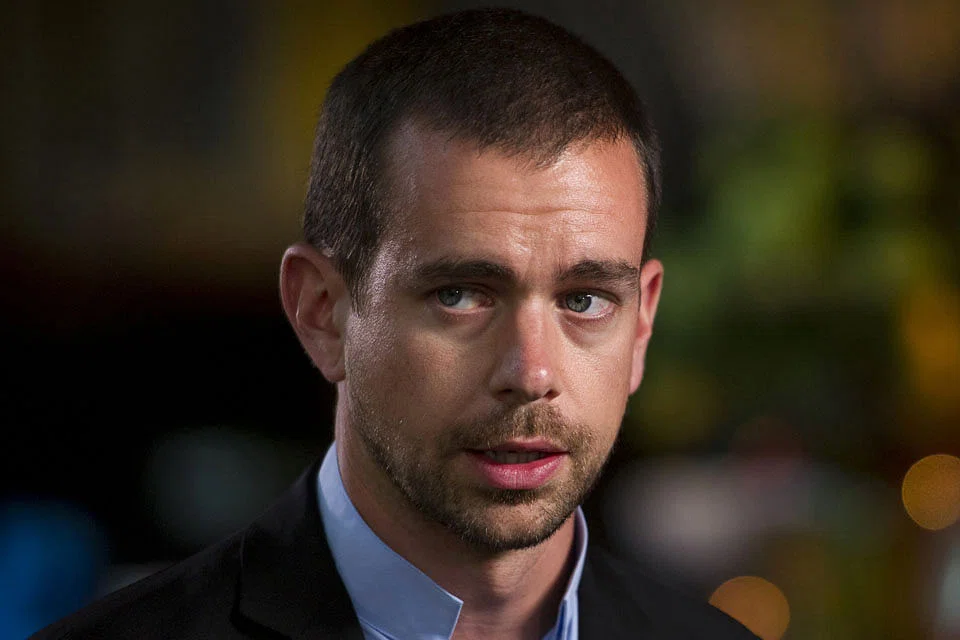
PERHAPS we should blame Steve Jobs for Jack Dorsey's reappointment as Twitter's interim chief executive.
Mr Jobs set the precedent. Ousted by his board, he left Apple and was regarded as a sort of failure after a brutal struggle with John Sculley. But Mr Jobs was brought back after Mr Sculley (who served as chief from 1983 to 1993) and Gil Amelio (who held the top job from 1996 to 1997) failed miserably.
When Mr Jobs returned, it was a dark time for Apple. It was forced to team up with its archrival Microsoft, and even took a US$150 million stock investment from the company, which was then run by Bill Gates.
Mr Jobs was brought in to save the company. He did that and more, performing the turnaround of the millennium.
The legend of Mr Jobs lingers over Silicon Valley. One of its many forms encourages founders to return triumphantly to "save" their brands.
It's hard not to think of Mr Jobs' legacy after the events at Twitter this past week. Dick Costolo, the chief executive of Twitter, announced his surprise exit, not too unexpectedly. Twitter has been under scrutiny by investors for not adding users quickly enough.
Mr Costolo had made it known that he planned to resign around the end of the year anyway. But plans changed, and on Thursday, Mr Costolo announced he was stepping down as of July 1. He will be replaced by Mr Dorsey, 38, a co-founder of Twitter. Mr Dorsey in recent years has been gaining respect after he helped start the payments company Square, where he currently serves as CEO.
Mr Dorsey was not named as Twitter's permanent chief; instead he was appointed as interim CEO until the Twitter board can pick a new head. But let's remember that Mr Jobs rejoined as an interim chief, too, before gaining the full title three years later in 2000.
Though Mr Dorsey seems to be a rational choice, eyebrows were quickly raised about the decision. First, Mr Dorsey is already running a prominent tech company, Square. Running one big company is usually hard enough, but two can be quite daunting, even for the best managers. In response to an analyst question, Mr Dorsey pointed out that he had good leadership teams in place at both companies.
"And I will be working directly with and through both of those teams," he said during an investor call on Thursday. "I've been spending significant amounts of time at both companies, and I will continue to split my time between the two companies."
Who else has done this? Let's look again at Mr Jobs, who simultaneously ran Pixar and Apple for nine years.
A founder's return can also be stabilising. Rather than spending months performing an executive search to try to identify someone who understands the company and its business, bringing back a founder has its advantages.
Founders have a long-term relationship with their company, so they need little grounding in what the business is all about.
Mr Dorsey is not the only one who may be hearing echoes of Mr Jobs as he walks the path back to his former company. Those who have returned for second stints in the tech world have included Jerry Yang, a founder of Yahoo; Larry Page, one of the founders of Google; and Marc Pincus, a founder of Zynga. None of them have done spectacularly well the second time around.
When founders start companies, they are entrepreneurs with an idea and often few or no employees. It's not the same thing to jump into an established enterprise with thousands of employees.
Mr Dorsey is certainly older and wiser now. He sits on the board of the Walt Disney Co and has helped lead the success of Square, which is estimated to be worth billions. And to be fair, Twitter is still an enormously successful property. It is a social media hub and it has a lot of potential. But the warning signs are also there that this may not be a smooth ride.
If Mr Dorsey continues to wear the chief executive hats of two companies for too long, there may be an uprising by investors. It may be that Dorsey is the right person for the chief executive post at Twitter. But let's hope that it is based on his real skills, and not the myth that if Mr Jobs did the impossible with Apple, then any founder of any tech company can replicate that success. NYT
TRENDING NOW

South-east Asia has lost Nvidia’s best salesman

Demand, tech capabilities position Apac and AI as Skyscanner’s next growth frontiers: CEO Bryan Batista

Peter Kwee’s Ridley Park bungalow on the market with S$100 million asking price

Beyond the greenback, Vietnam’s big borrowers turn to Asian-currency bonds

