

Silicon Valley billionaires are remaking America's schools with their cash

New York
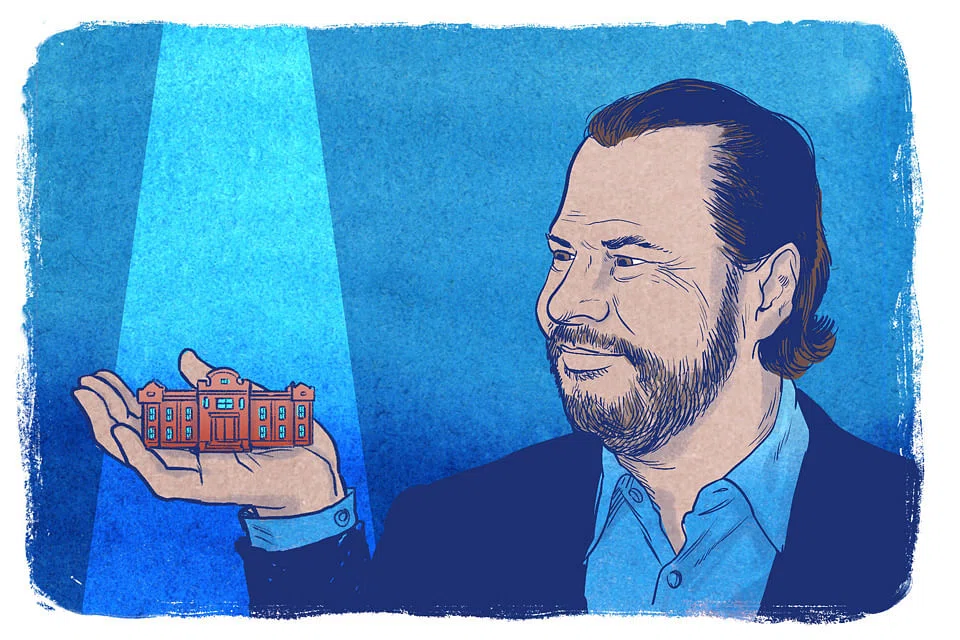
IN San Francisco's public schools, Marc Benioff, the chief executive of Salesforce, is giving principals of middle schools US$100,000 "innovation grants" and encouraging them to behave more like startup founders and less like bureaucrats.
In Maryland, Texas, Virginia and other states, Netflix's chief, Reed Hastings, is championing a popular math-teaching programme where Netflix-like algorithms determine which lessons students see.
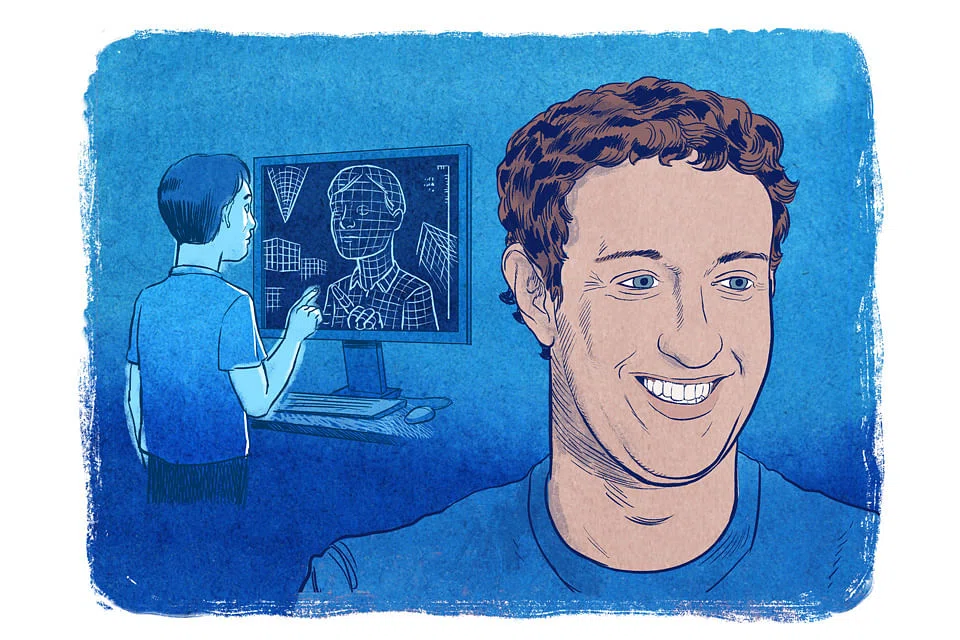
And in more than 100 schools nationwide, Mark Zuckerberg, Facebook's chief, is testing one of his latest big ideas: software that puts children in charge of their own learning, recasting their teachers as facilitators and mentors.
In the space of just a few years, technology giants have begun remaking the very nature of schooling on a vast scale, using some of the same techniques that have made their companies linchpins of the US economy.
Through their philanthropy, they are influencing the subjects that schools teach, the classroom tools that teachers choose and fundamental approaches to learning.
The involvement by some of the wealthiest and most influential titans of the 21st century amounts to a singular experiment in education, with millions of students serving as de facto beta testers for their ideas.
Some tech leaders believe that applying an engineering mindset can improve just about any system, and that their business acumen qualifies them to rethink US education.
"They are experimenting collectively and individually in what kinds of models can produce better results," said Emmett Carson, chief executive of Silicon Valley Community Foundation, which manages donor funds for Mr Hastings, Mr Zuckerberg and others. "Given the changes in innovation that are underway with artificial intelligence and automation, we need to try everything we can to find which pathways work."
But the philanthropic efforts are taking hold so rapidly that there has been little public scrutiny.
Tech companies and their founders have been rolling out programmes in America's public schools with relatively few checks and balances, The New York Times found in interviews with more than 100 company executives, teachers, parents and students.
"They have the power to change policy, but no corresponding check on that power," said Megan Tompkins-Stange, an assistant professor of public policy at the University of Michigan. "It does subvert the democratic process." Furthermore, there is only limited research into whether the tech giants' programmes have actually improved students' educational results.
One of the broadest philanthropic initiatives directly benefits the tech industry.
Code.org, a major non-profit group financed with more than US$60 million from Silicon Valley luminaries and their companies, has the stated goal of getting every public school in the United States to teach computer science. Its argument is twofold: Students would benefit from these classes, and companies need more programmers.
Together with Microsoft and other partners, Code.org has barnstormed the country, pushing states to change education laws and fund computer science courses. It has also helped more than 120 districts to introduce such curricula, the group said, and has facilitated training workshops for more than 57,000 teachers. And Code.org's free coding programmes, called Hour of Code, have become wildly popular, drawing more than 100 million students worldwide.
Mr Hastings and other tech executives rejected the idea that they wielded significant influence in education. The mere fact that classroom internet access has improved, he said, has had a much greater impact in schools than anything tech philanthropists have done.
"In our society as a democracy, I think it is healthy that there is a debate about what are the goals of public education," Mr Hastings added.
Captains of American industry have long used their private wealth to remake public education, with lasting and not always beneficial results.
What is different today is that some technology giants have begun pitching their ideas directly to students, teachers and parents - using social media to rally people behind their ideas. Some companies also cultivate teachers to spread the word about their products.
Such strategies help companies and philanthropists alike influence public schools far more quickly than in the past, by creating legions of supporters who can sway legislators and education officials.
Another difference is that some tech moguls are taking a hands-on role in nearly every step of the education supply chain by financing campaigns to alter policy, building learning apps to advance their aims and subsidising teacher training. This end-to-end influence represents an "almost monopolistic approach to education reform," said Larry Cuban, an emeritus professor of education at Stanford University. "That is starkly different compared to earlier generations of philanthropists."
These efforts coincide with a larger Silicon Valley push to sell computers and software to US schools, a lucrative market projected to reach US$21 billion by 2020. Already, more than half of the primary- and secondary-school students in the United States use Google services like Gmail in school.
But many parents and educators said in interviews that they were unaware of the Silicon Valley personalities and money influencing their schools.
Among them was Rafranz Davis, executive director of professional and digital learning at Lufkin Independent School District, a public school system in Lufkin, Texas, where students regularly use DreamBox Learning, the math programme that Mr Hastings subsidised, and have tried Code.org's coding lessons.
"We should be asking a lot more questions about who is behind the curtain," Mr Davis said. NYTIMES
TRENDING NOW

‘If there’s a price to be paid, so be it’: George Yeo says Singapore must safeguard its reputation

South-east Asia has lost Nvidia’s best salesman

CapitaLand, Far East, Sing Holdings team up for S$1.8 billion bid at S$910 psf ppr for Jurong Lake District site

Beyond the greenback, Vietnam’s big borrowers turn to Asian-currency bonds

