

Sina embroiled in proxy fight as US investor pushes for change
Aristeia Capital is lobbying shareholders to back its two candidates for the company's board in a bid to shake up its business
Hong Kong
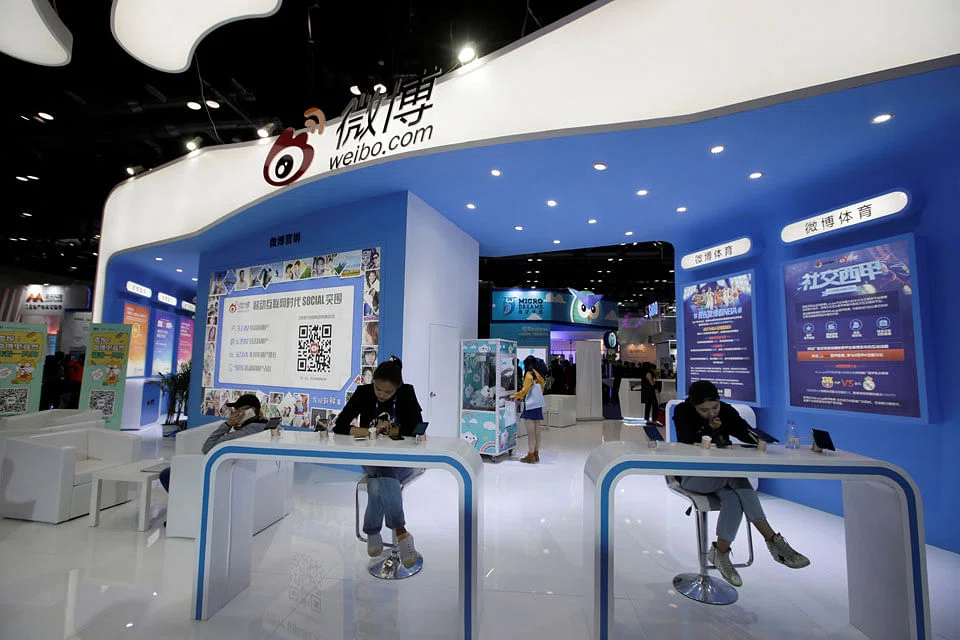
THE Chinese Internet boom has been good to Sina. Maybe, protests one of its US investors, it could have been better.
The New York-traded shares of Sina, whose Weibo service is one of China's most popular social media platforms, have been on a tear. They have been lifted by the same surge that has put Chinese companies such as the Alibaba Group and Tencent Holdings among the ranks of Amazon and Facebook in terms of stock market value.
Still, Sina finds itself embroiled in an unusual situation for a company with a surging stock price: a proxy fight.
Aristeia Capital, a hedge fund based in Connecticut, is lobbying Sina shareholders to back its two candidates for the company's board in a bid to shake up its business and give shareholders fatter returns.
This week, the other shareholders will weigh in, casting their votes before a shareholder meeting set for Friday.
Proxy fights in general are not uncommon, but one between a Chinese company and a US investor is the first of its kind, according to disclosures tracked by the data provider FactSet. And the campaign has helped to underscore the limits of foreign ownership of Chinese Internet companies.
Sina, one of the first Chinese tech companies to list its shares in New York, has called Aristeia "self-serving" and naive about how China's Internet sector works.
In turn, Aristeia, which manages US$3 billion in investor money, has accused Sina of "failing to hold itself to the standards expected of US-listed public company boards".
Foreign investors seem less than worried about any lack of control or lapses in corporate governance if the market is any indication.
Shares in those companies have been on a tear in markets around the world as Chinese consumers reliably use their smartphones to buy electronics, shop for groceries, make investments, play games and look for dates.
With more than 700 million users, China is the world's largest single Internet market. Weibo has 313 million monthly average users.
Complaints from investors
Still, some investors are quietly complaining about corporate governance practices. Chinese companies that list shares in the United States are not necessarily subject to US rules. Most are incorporated in light regulatory jurisdictions like the Cayman Islands.
As a result, Chinese companies often behave differently.
While Sina holds a regular annual meeting, some of its peers do not, a standard for the United States. Baidu, the search engine giant, has not held an annual shareholder meeting since 2008. JD.com, the online retailer, has never held one.
"Investors have been getting a bit fed up with companies like Baidu and JD.com not having general meetings," said Jamie Allen, the secretary-general of the Asian Corporate Governance Association.
A spokesman for JD.com said: "Investors appreciate our candor both on earnings calls and in engagement throughout the year. This issue has rarely, if ever, been raised to us." Baidu did not respond to requests for comment.
Fewer shareholder protections
Foreign investors also typically have fewer shareholder protections. To get around Chinese restrictions on outside investments in sensitive industries, many companies use a complicated legal structure, called a variable interest entity, or VIE.
Under those arrangements, shareholders have rights to the profits of a company, but not the assets - potentially leaving them exposed if the company runs into trouble or the Chinese government declares the structure illegal.
Sina was a key player in the Chinese Internet's emergence as a social and economic force. Its Weibo service, once derided by critics as a knock-off of Twitter, has grown in size and functionality to the point where it is now a must-read for many people.
Even after the Chinese government curbed political or controversial discussion on Weibo, it remains a well-read resource. Weibo now has its own stock listing, while Sina owns a 46 per cent stake. Sina's other operations include online news and entertainment.
That separate listing helped set off the fight with Aristeia. Sina's shares have risen nearly 75 per cent so far this year. But Weibo's performance has been better, with the stock more than doubling.
Poor corporate governance
Based on their stock market values, Weibo is now more than twice as valuable as Sina - a gap that Aristeia says points to lacklustre management and poor corporate governance.
Aristeia is pushing for representation on the board so that directors will consider measures that would result in more money for shareholders. These include a sale or merger of Sina or Weibo or a buyback of shares by management.
Sina said that any deal proposed by Aristeia would not clear because of China's complicated telecom and media rules. Alibaba, the Chinese e-commerce giant, also owns a stake in Weibo, further complicating its options, Sina said. NYTIMES
TRENDING NOW

If Europe goes to war, the fallout will be felt in East Asia

Shanmugam says firms linked to haze probe pledge cooperation; government to table changes to haze law

Indonesia stocks suffer worst plunge in nearly 30 years as MSCI proposes standalone status

Keppel seeks US$1 billion for Vietnam investments as it joins country’s international financial centre

