
Social entrepreneurs fight to make gig work fairer, greener
 Add BT as a preferred source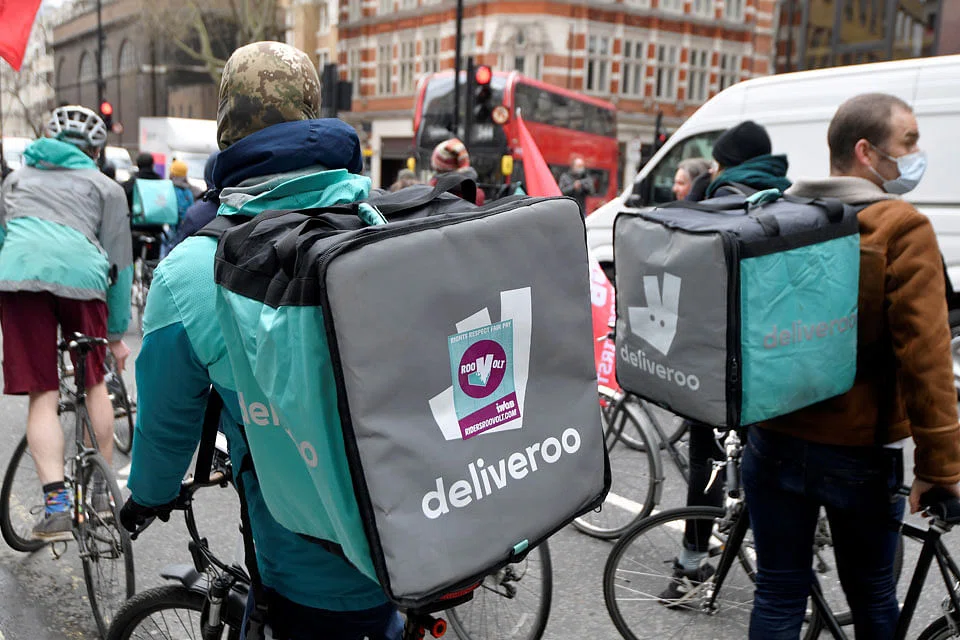
Durban
WHEN Londoner Rich Mason signed up as a bicycle food delivery rider in 2017, he found the long hours, poor pay and lack of communication from management "jaw-dropping" - so he started his own delivery app instead.
One of his proudest moments was in June this year when his phone pinged with the first order on his Wings platform, which he says pays bicycle couriers above minimum wage, is an eco-friendly alternative to motorbikes and supports family-run restaurants.
"We wanted to create a model that is good for riders, good for society and good for the environment," said MR Mason, 32, adding that he wanted to humanise the gig economy into a model that is worker-focused.
"Our brand is built on community," he told the Thomson Reuters Foundation in a video call, adding that Wings also partners with local charities to deliver food to people in need.
The gig economy - where people pick up work in a flexible manner - boomed during Covid-19 lockdowns, as people around the world suddenly needed goods and food delivered to their homes and millions of newly jobless were looking for work.
Navigate Asia in
a new global order
Get the insights delivered to your inbox.
By 2020, there were more than 777 digital labour platforms - from food delivery to web design - around the world, up from about 140 a decade earlier, according to the International Labour Organization (ILO).
But many people drawn to gig work for its flexibility have reported being exploited by companies paying low wages, and offering weak insurance policies and no sick leave while encouraging long hours.
Now social enterprises like Wings are trying to rejig the gig economy model by offering tech-driven, on-demand services that prioritise workers' rights and ethical supply chains.
"It is always exciting to see communities taking ownership of digital tools for work and production in a way that is fair and inclusive," said Kelle Howson, a researcher at Fairwork, a gig economy research project at the Oxford Internet Institute.
At the large companies that dominate the gig platform sphere, most delivery drivers are classified as "partners", not employees, meaning they have flexible work hours but few to no benefits, such as healthcare or paid leave.
But some businesses are using elements of the gig economy - like reliance on tech, employment flexibility and direct-to-consumer orders - to create both profit and social change.
A core component of the gig economy involves door-to-door deliveries and Spanish courier company Koiki realised they could boost eco-friendly job opportunities for people at risk of social exclusion, like migrants or homeless people.
Koiki provides the technology, training and parcels for delivery people who are hired by partner charities or organisations, said marketing director Patricia De Francisco, adding that all parcels are delivered on foot or on bike to reduce the company's carbon emissions.
Bigger corporates have also used their capital to fund ethical gig platforms - like Robinhood - launched by Thailand's Siam Commercial Bank last year to help small food businesses that took a hit during lockdowns.
Launched as part of the bank's corporate social responsibility (CSR) initiative, the app does not charge merchants a fee for listing on the platform, and has drawn 150,000 small food vendors and more than two million subscribers.
Co-operatives and enterprises like Wings say consumer demand and decision making is a huge factor in rethinking the gig economy model.
Customers are getting more discerning about how online services use their money and their impact on communities and the environment, said Mason at Wings.
But customer loyalty alone is not enough, said Ms Howson, the gig economy expert.
"To enable (these) enterprises to succeed, we need changes in wider commercial, tax, supply-chain and labour policy settings ... (regulation) should favour companies providing maximum social and economic benefits to local communities," she said over e-mail. THOMSON REUTERS FOUNDATION
Decoding Asia newsletter: your guide to navigating Asia in a new global order. Sign up here to get Decoding Asia newsletter. Delivered to your inbox. Free.
Share with us your feedback on BT's products and services

