

South-east Asia's startup ecosystem is the one to watch, says Catcha boss
Region's Internet companies have the potential to be bigger than those in the US, he says at KL conference
Kuala Lumpur
SOUTH-east Asia is the startup ecosystem to watch, says the chief executive of global investment firm Catcha Group.
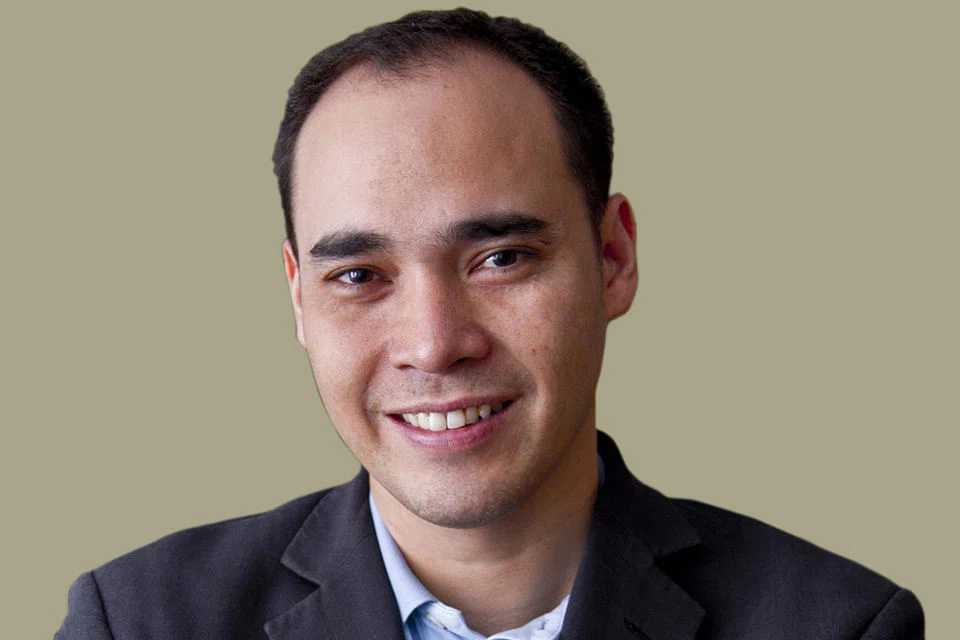
Patrick Grove, noting that the region is home to 280 million mobile users and an emerging middle class, said that Internet companies created in the region have the potential to be "bigger" than those which came up in the United States and focus on the American market.
He had one more observation: South-east Asia has 10 per cent of global Internet users, but constitutes under one per cent of global Internet enterprise value, pointing to its "huge potential" to create sizeable companies and to invest in Internet businesses.
The Singapore-born serial entrepreneur was making the keynote address at Wild Digital, a two-day Internet conference in Kuala Lumpur organised by the Catcha Group. The event was attended by more than 600 digital entrepreneurs, investors and senior executives.
"South-east Asia has undergone great transformation from Third World to almost First World, to something from nothing. Why can't great international Internet companies be created from this part of the world?" asked Mr Grove, who is also co-founder and chairman of Catcha's portfolio companies such as iProperty Group and iflix.
iProperty Group was acquired last year by the REA Group in a deal valuing the online real estate portal at AS$751 million (S$756 million) and iflix is an Internet TV service for emerging markets.
Another speaker at the conference, David Gowdey of Singapore-based Jungle Ventures, picking up on the point about the potential of South-east Asia, observed that venture-capital investments in the region (led by Singapore and Indonesia) have risen year-on-year in the first quarter of 2016, despite a slowdown in China and India.
Tengku Dato' Sri Azmil Zahruddin, executive director of investments at Malaysia's sovereign wealth fund Khazanah Nasional Berhad, pointed out in a panel discussion, however, that although South-east Asia was a high-growth region, entrepreneurs and investors need to realise it is not a homogenous one; systemic differences - cultural, legal, political and social - exist in the various countries in the region.
"Companies that come from the US and Europe typically don't succeed very well here. Companies that do, see synergies by really recognising the differences."
The conference in KL ranged over a number of other topics, such as ways to build disruptive businesses, and the traits in founders that pull in the Big Boy investors such as Temasek Holdings and Sequoia.
On the traits valued in founders of companies, Khazanah's Mr Azmil listed passion for the business and a clear vision, but also the flexibility and agility to turn the business around.
"I'm not interested in founders who are only interested in the big pay day."
Mukul Chawla, managing director of Singapore's Temasek Holdings - Asia's third-largest investment company after Japan's Softbank and China's Alibaba in dollars - added that a great founder knows how to build long-term "structural advantages" for the business:
"It's very rare that startups end up with their initial business plan; a lot of things will evolve over time. Founders have to be able to think through structural advantages that can outlast (current trends and changing circumstances)."
Tan Yinglan, venture partner at Sequoia Capital, a leading American venture capital firm whose portfolio companies now have an aggregate public market value of over US$1.4 trillion, described founders as "rebels and misfits who sit in a quiet corner in classrooms and who grew up with a need to win or prove a point".
The Singaporean, formerly head of projects at the National Research Foundation, added: "Great founders are able to make a decision at 9am and execute by noon. They have clarity of thought, are good listeners and are leaders that people will follow through thick and thin."
Catcha's Mr Grove, offering tips on building disruptive businesses - increasingly the holy grail of Singapore firms large and small - listed five Ps: problem, passion, people, pivot and perseverance.
"Pivot - to change everything about a product - is probably the most important. It's the ability to keep experimenting, taking chances and stepping outside your comfort zone, until it works."
TRENDING NOW

Fed hike throws Singapore banks a margin lifeline; UOB most likely to feel impact

He built the Vingroup empire. Now South-east Asia’s richest man is handing some key roles to his sons

Real-estate veteran Desmond Sim quits from CEO roles at Realion, ETC

Chagee, Mixue and Luckin won the market. Sustaining their edge is the harder part

