

Sprint weighs deal-making to get bigger to survive
New York
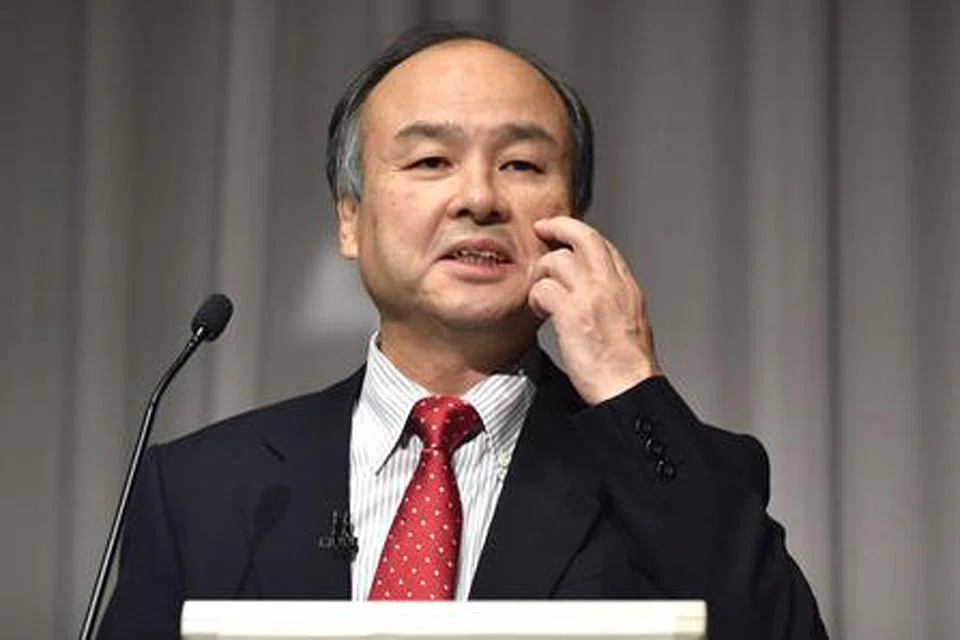
MASAYOSHI Son, the Japanese telecommunications mogul, has always been known as an inveterate deal-maker. But amid a breakneck spree of investing in startups, Mr Son's most anticipated moves will likely involve an old-line phone service provider: Sprint.
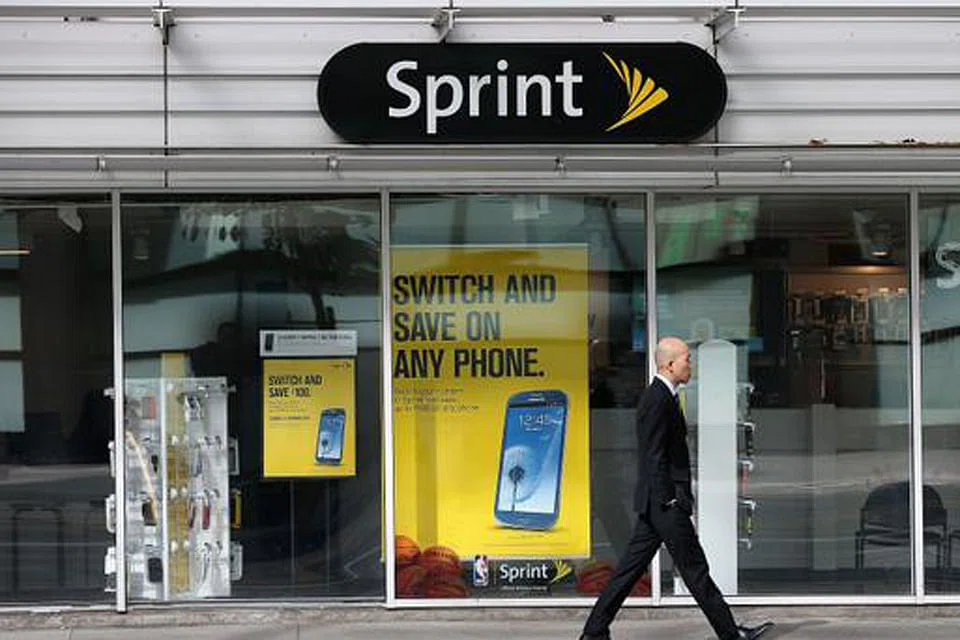
The reason is clear. Sprint, controlled by Mr Son's SoftBank, has long lagged behind the two titans of American wireless, Verizon and AT&T, each of which has more subscribers than Sprint and T-Mobile combined. Mr Son has never let go of the idea that Sprint needs to get bigger to survive, and has had on-again, off-again discussions with T-Mobile.
Now, SoftBank is busy exploring a complex takeover of Charter Communications, the cable giant whose empire stretches from New York City to Los Angeles.
The convoluted deal would involve SoftBank forming a new company to acquire both Sprint and Charter. The Japanese company would own a majority of the new entity, even though Sprint's market value, at US$34 billion, represents roughly a third of Charter's US$99 billion.
For its part, Charter has expressed little interest in any deal with Sprint. The cable operator said last week that it had no interest in buying Sprint (though Mr Son envisions a different kind of deal).
The emergence of the potential bid for Charter is the latest deal-making wrinkle that SoftBank has weighed for Sprint over the past five years. Mr Son first bought control of the embattled wireless company in 2013 for nearly US$22 billion, and then quickly embarked on a pursuit of T-Mobile. Those talks ended in 2014 amid strong opposition from the Obama administration.
Further talks with T-Mobile are now on hold. T-Mobile's reversal in fortunes has made it bigger by market value than Sprint, putting Mr Son at a disadvantage in negotiations.
But Sprint has had talks with Charter and Comcast to offer wireless services to their cable and high-speed Internet customers.
During a quarterly earnings call this week, Sprint's chief executive, Marcelo Claure, said that a final announcement about any deal "should be coming in the near future". He did not elaborate.
Mr Claure said that his primary job was to improve Sprint's health as a standalone company. That progress has been slow, but has shown results: the telecom company reported US$206 million in profit in the second quarter, the first such profit in three years. Much of that came from an expansive cost-cutting programme that has shed nearly US$4 billion during the past two years.
But Sprint still lost 39,000 consumers on traditional contracts in the quarter, despite offering a full year of unlimited data to new subscribers. The company's main rivals all touted strong gains in new customers for the quarter.
Sprint has had to acknowledge that it would have a tough time thriving on its own. Combining with Charter would make sense.
Broadband providers have been eager to find other ways to drive up revenue, and wireless has been one avenue that cable operators have dived into. Charter and Comcast formed an alliance this spring to explore wireless opportunities. Already, Comcast has begun offering its subscribers mobile service through Verizon, with Charter expected to follow suit.
From Sprint's perspective, a cable company would help give the telecom company the wired backbone it needs to upgrade its wireless service to 5G. While Verizon and AT&T have been investing billions into bolstering their networks, the cash-strapped Sprint has had far fewer resources to do so.
"The potential additional synergies that you have in doing a strategic transaction will always be significantly better than having a standalone entity," Mr Claure said on the earnings call.
Mr Son does face some hurdles, starting with a recalcitrant Charter. The cable operator's chief executive, Tom Rutledge, holds options that come into the money when his company's share price reaches US$564. Right now, Charter trades at about US$385, meaning that SoftBank would need to pay dearly to bring him to the table.
And even with banks willing to lend to SoftBank to finance a deal, the amount of debt involved would be breathtaking. Sprint carried roughly US$34.5 billion of long-term debt on its books as at March 31, while Charter had US$63 billion. SoftBank itself held some US$135 billion in long-term debt.
Then there is Comcast. Under the terms of the pact between the two cable operators, each must assent to a deal that the other strikes with a wireless company.
Sprint had already held discussions with Charter and Comcast about selling access to its wireless network, which would have let the two bundle mobile service with their pay-TV and broadband offerings. But the pair instead decided to stick with their existing agreement with Verizon. NYTIMES
TRENDING NOW

Knight Frank’s Tan Tee Khoon leaves firm, Nicholas Keong takes over auction business

Keppel Energy, Sembcorp Utilities and Tuas Power to supply biomethane in pilot project

GovTech retrenches another 38 staff in second round of layoffs

Take-up of new private homes dives 45% in Q3 as prices accelerate with 1.4% rise

