

Twitter moves to target fake videos, photos
 Add BT as a preferred source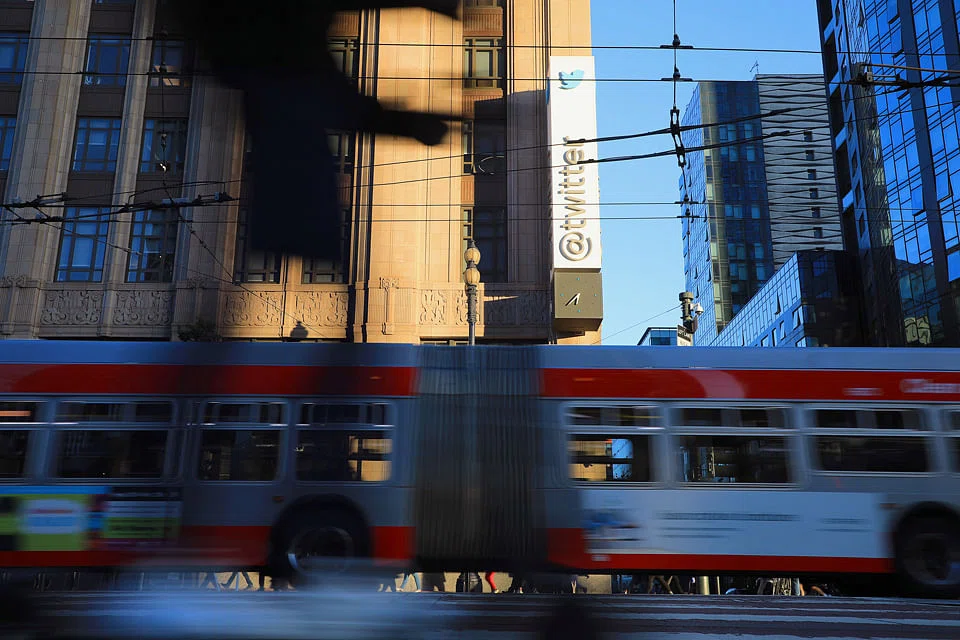
New York City
TWITTER, bowing to pressure from its users, said on Tuesday that it would more aggressively scrutinise fake or altered photos and videos.
Starting in March, the company said it will add labels or take down tweets carrying manipulated images and videos. The move, while short of an outright ban, was announced one day after YouTube also said it planned to remove misleading election-related content on its site.
Twitter's new policy highlights a balancing act - between allowing parody and removing disinformation - that social media companies face as they try to more aggressively police the content posted to their platforms.
To determine whether a tweet should be removed or labelled, Twitter said in a blog post it will apply several tests: Is the media included with a tweet significantly altered or fabricated to mislead? Is it shared in a deceptive manner? In those cases, the tweet will probably get a label.
But if a tweet is "likely to impact public safety or cause serious harm", it will be taken down. Twitter said it might also show a warning to people before they engage with a tweet carrying manipulated content, or limit that tweet's reach.
Navigate Asia in
a new global order
Get the insights delivered to your inbox.
"Our approach does not focus on the specific technologies used to manipulate or fabricate media," said Yoel Roth, Twitter's head of site integrity.
"Whether you're using advanced machine-learning tools or just slowing down a video using a 99-cent app on your phone, our focus under this policy is to look at the outcome, not how it was achieved."
The company developed its rules after surveying more than 6,500 users, civil groups and academics, said Del Harvey, Twitter's vice-president for trust and safety.
They found that about 70 per cent of surveyed Twitter users believed it was unacceptable for the company to take no action against manipulated content. More than 90 per cent said such content should be removed or placed behind a warning label.
Like other social networks that have tried to crack down on bogus content, Twitter will be under pressure to consistently apply its new rules.
Samantha Bradshaw, a researcher at the Oxford Internet Institute, said that defining harm was not always clear, especially in the context of social media.
"And it would be difficult to automate these responses on a global scale," she said. NYTIMES
Share with us your feedback on BT's products and services
TRENDING NOW

Middle East-linked energy supply shocks put Asean Power Grid back in focus

Thai and Vietnamese farmers may stop planting rice because of the Iran war. Here’s why

US-China rivalry and the Kindleberger Trap: Why inaction – not escalation – is the biggest risk
Will the Philippines hit the brakes on a deregulated oil industry amid fuel pain?

