Europe: Stocks at risk if Russia invades Ukraine
 Add BT as a preferred source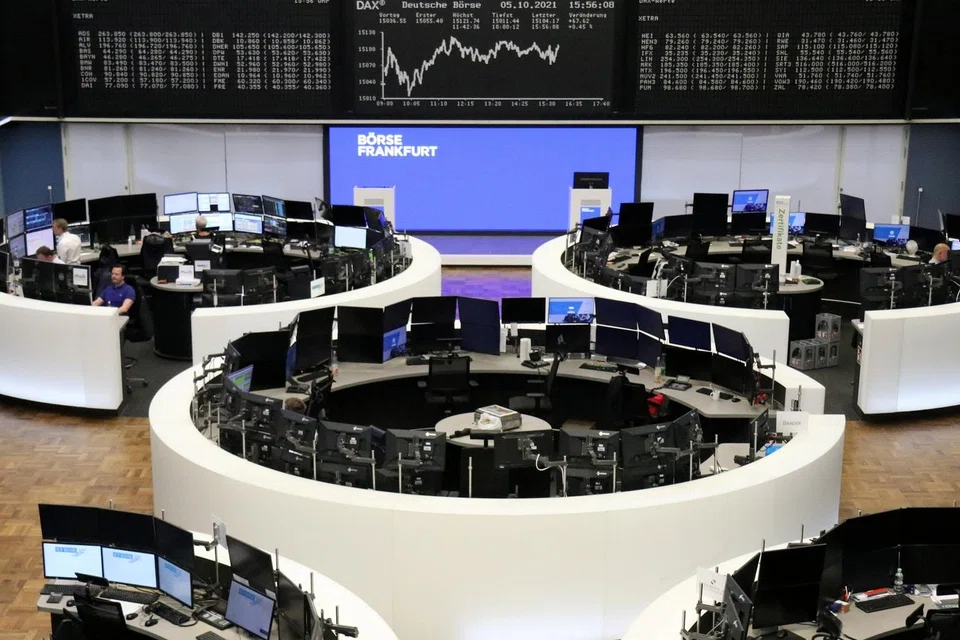
DeeperDive is a beta AI feature. Refer to full articles for the facts.
[LONDON] Russia-exposed European stocks have been under pressure for weeks amid fears Russia could invade Ukraine and the stand-off has triggered volatility across the European stock market.
After Russian-backed separatists in breakaway regions in eastern Ukraine announced an evacuation of residents on Friday, Germany's main stock index, the most sensitive to a potential conflict in Ukraine, fell more than 1 per cent and headed towards a four-month low hit earlier this week.
The United States has said Russia could invade Ukraine at any time and might create a surprise pretext for an attack, and reaffirmed a pledge to defend "every inch" of Nato territory.
Investors are monitoring shares most at risk from potential sanctions against Russia, including banks, oil, mining, consumer and construction material, companies with exposure to Russia and Ukraine.
Citi analysts said their basket of European companies with Russian exposure has underperformed during periods of heightened tensions, as in 2014 and 2018, following Western sanctions against Russia.
The investment bank's list of almost 40 European stocks with exposure to Russia and Ukraine includes beverage companies Carlsberg and Coca Cola, which made 13 per cent and 15 per cent of their sales in Russia, Nivea maker Beiersdorf and France's food giant Danone, with around 6 per cent of their sales in Russia.
Navigate Asia in
a new global order
Get the insights delivered to your inbox.
European stocks with exposure to Ukraine include London-listed iron pellet producer Ferrexpo with its entire operation based in the country, Citi said.
According to Jefferies analysts, France's video gaming company Ubisoft has 4 per cent of its workforce in Ukraine, while Sweden-based healthcare and diagnostic services provider Medicover made 8.5 per cent of its sales in the country.
European banks with local branches in Russia are the most exposed to risk resulting from potential sanctions in the event of any further escalation, JPMorgan said.
Austria's Raiffeisen Bank International derived 39 per cent of its estimated net profit last year from its Russian subsidiary, while Hungary's OTP, UniCredit and Societe Generale made between 6 per cent and 7 per cent of theirs in Russia last year, JPMorgan numbers showed.
As Russia supplies 35 per cent of Europe's gas demand, the tensions in Ukraine have increased the risks of energy disruptions in Europe, Goldman Sachs analysts said.
"We would expect the German DAX and MDAX (the mid cap index) to be more vulnerable than other country indices, mainly due to the reliance of their companies on energy for their production," they said.
They expect oil and gas companies to outperform on headlines of further escalation and rising European gas prices, citing Total and Equinor as the main beneficiaries. REUTERS
Decoding Asia newsletter: your guide to navigating Asia in a new global order. Sign up here to get Decoding Asia newsletter. Delivered to your inbox. Free.
Share with us your feedback on BT's products and services