

Impending Fed rate hike marks symbolic end of unlimited support
Observers believe central bank has to act swiftly before inflation becomes firmly entrenched
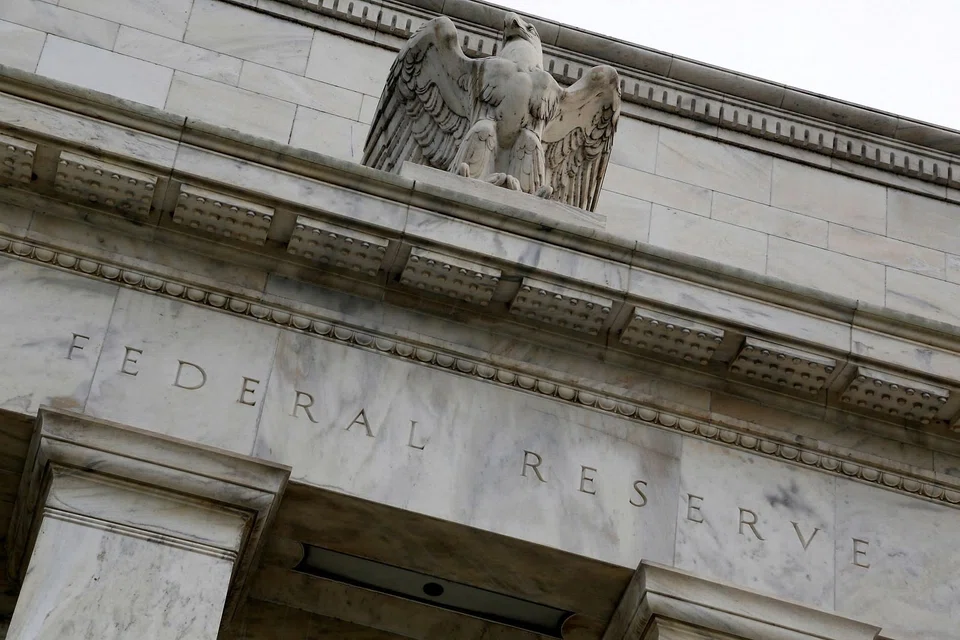
THE US Federal Reserve is widely expected to raise interest rates for the first time in over 2 years at the conclusion of its latest policy-setting meeting on Wednesday (Mar 16).
The rate hike is a symbolic end to the pandemic era of almost unlimited financial support. It also marks the end of the meme-stock party, as the Fed cuts off stock and cryptocurrency investors who had gorged on the powerful risk-encouraging cocktail of cheap credit and asset purchases served up by the central bank.
Since late last year, the yield on the 10-year Treasury note doubled to more than 2 per cent, and the high-risk Nasdaq Composite, seen as the biggest stock-market beneficiary of easy monetary policy, fell by more than 20 per cent.
Speculation about the number and size of hikes recently reached such a fever pitch on Wall Street that Fed chairman Jerome Powell stepped in last week during his congressional testimony.
Powell said he would propose a quarter-point rate increase, in an apparent attempt to squelch a rumour that the central bank would kick off its rate-increase cycle with a bumper half-point move.
The hikes come at a vulnerable time for the stock market. In other circumstances, the risks to global growth from Russian President Vladimir Putin's invasion of Ukraine would have given the central bank pause.
But Russia's role as a hub of food and energy commodities make the Ukraine war an inflationary event.
Inflation data for February showed that US consumer prices were already rising at their strongest annual rate since 1982.
"Russia's invasion of Ukraine - and the Western response to it - will exacerbate the supply-demand imbalance that lies at the heart of the global inflation surge," said strategists at Goldman Sachs in a note to clients. The US$20 war premium on oil prices is likely to take a significant toll on gross domestic product growth, and affects a US economy that is "already overheating", they said.
Wheat prices rose by the most on record during the first fortnight of the Ukraine war. Petrol prices have hit a record high in the US. Major retail chains are already raising wages.
Consumer sentiment surveys show price increases as a major concern. Many observers believe the Fed has no choice but to act swiftly before inflation becomes so firmly entrenched that consumers stop going out to the mall or cut down on their online shopping.
"What the Fed is focused on is they don't want it to leak into expectations, and have people change their behaviour because they think inflation is going to stick around," said Brent Schutte, chief investment strategist at Northwestern Mutual Wealth Management.
Since the Alan Greenspan era of the 1990s, investors reassured one another that, when a major selloff occurs on the stock market, the "Fed put" could be triggered.
With major indexes already in correction or bear-market territory, "the Fed put strike remains sharply lower than usual", warned strategists at brokerage Jefferies.
The Fed's drastic actions to support risk-takers sparked a historic housing boom, and the most rapid appreciation of equities in history, all in the middle of a modern plague era.
It made trillion-dollar concerns of middleweights like Tesla and multi-billion dollar giants of shrinking midgets like GameStop. Now, the risk-takers are on their own.
TRENDING NOW

Philippine power giant First Gen rebuffs foreign offers, plans up to US$2.6 billion in expansion

Cliff Tan has 7 million followers and a 4-month waitlist. Why won’t he expand his business?

Could stablecoins be the future of money?

From finance aspirant to Asean CEO: TUV SUD’s Jonas Strahberger on finding people who believe in you

