

Singapore shares close weaker, weighed down by fallout from Swiber's bankruptcy
 Add BT as a preferred source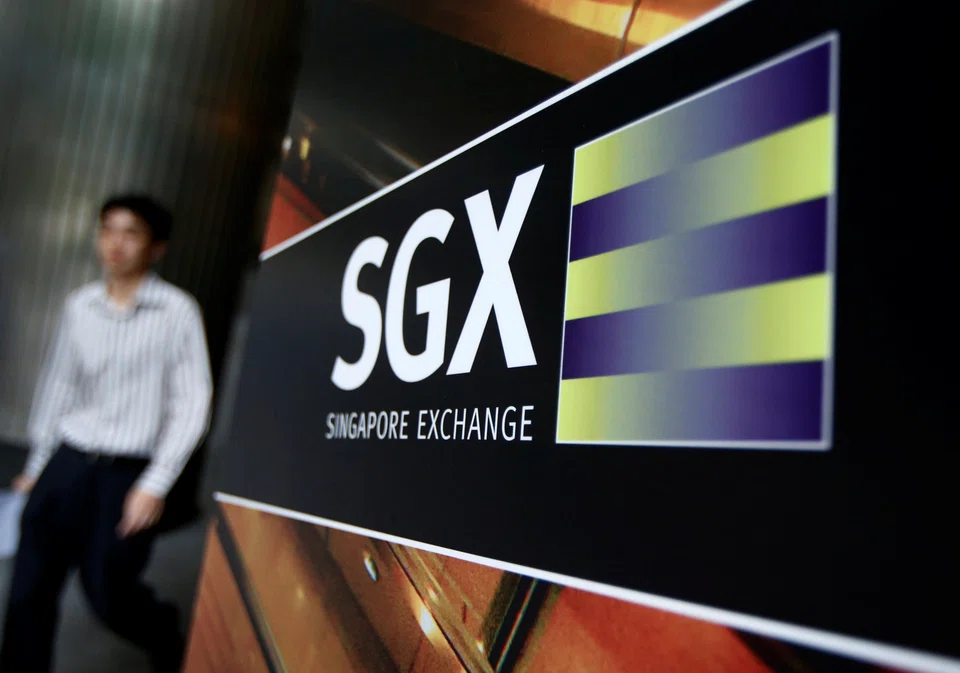
DeeperDive is a beta AI feature. Refer to full articles for the facts.
THE local stock market this year has been buffeted by mainly external factors such as Brexit, weak oil and concerns over China's economy. This week the focus switched to internal worries brought on by the collapse of offshore and marine (O&M) stock Swiber Holdings, which a week ago filed for liquidation then changed this to an application to be placed under judicial management.
With Wall Street also faltering - up to Thursday, the Dow Jones Industrial Average fell for seven straight sessions - and with Europe and Japan banking their hopes on more support from their authorities, the Straits Times Index underwent a volatile week.
On Friday it fell 3.79 to 2,828.17, bringing its net loss for the week to 40 points or 1.4 per cent and its loss for the year to 1.9 per cent.
Turnover on Friday was 1.2 billion units worth S$1.2 billion, undoubtedly inflated by the addition of 6.5 billion new Noble Group shares following the commodity firm's recent rights issue. Early in the week Noble's price crashed, drawing a query from the Singapore Exchange, to which Noble replied in the negative. Observers reported that the selling was most probably by funds and traders who sold ahead of the crediting of those rights shares into their trading accounts on Thursday. Noble's price underwent a volatile week, on Thursday and Friday bouncing a total of S$0.022 or 17 per cent to S$0.154.
Swiber's bankruptcy has shocked the local market and prompted analysts to rethink their earnings and provisioning estimates for companies associated with the O&M sector.
Copyright SPH Media. All rights reserved.
TRENDING NOW
From 1MDB to ‘corporate mafia’: Is Malaysia facing a new governance test?

Higher costs, lower returns: Why are Singaporeans still betting on real estate?

South-east Asian markets account for 8.8% of global capital inflows from 2021 to 2024: report

Richard Eu on how core values, customers keep Singapore’s TCM chain Eu Yan Sang relevant

