US politics, conflict in Syria and big earnings to steer Wall Street
Response to earnings season could decide whether stocks are headed for new highs or back to their February lows
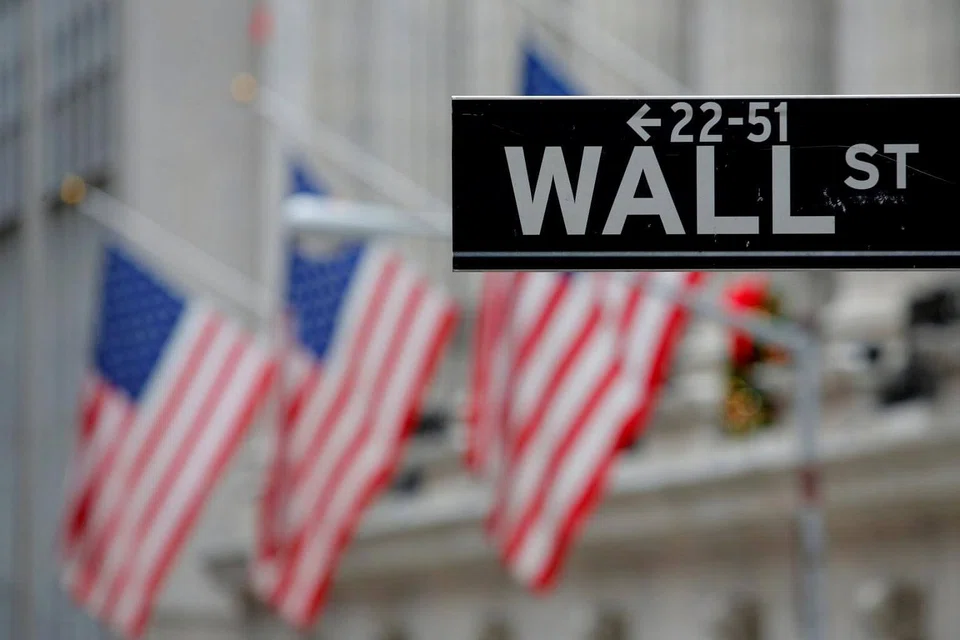
US stocks rose last week but volatility persisted, thanks to the tweeted slings and arrows and the outrageous fortunes of President Donald Trump.
A limited bombing in Syria could alleviate some concerns. But this week is likely to provide plenty of Twitter and market fodder as corporations such as Bank of America, General Electric and Netflix encounter high earnings hopes and developments in Syria, China and Washington DC could confirm worst fears.
Stocks started last week with a rally after Chinese Premier Xi Jinping emphasised the importance of dialogue and comity in trade policy. One of the biggest factors that weighed on stocks during the first quarter was the sense that a trade war was brewing between the US and China. The Trump administration has proposed tariffs on as much as US$150 billion in Chinese imports, demanding reforms to China's intellectual-property protocols among other concessions. Some of that optimism faded over the week as the market's cherished dream - a new trade deal between the US and China that satisfies both sides - failed to materialise.
In an interview with The Wall Street Journal on Friday, National Economic Council Director Larry Kudlow said that the trade dispute with China was "high risk and high reward", acknowledging that a favourable outcome was far from guaranteed. This week, corporations such as conglomerate GE could reveal their view of the effects of countervailing tariffs on end markets for everything from industrial equipment to airplanes.
There was a slide midweek when Mr Trump threatened to attack Syria. The targeted bombings of chemicals-weapons facilities on Friday night, which seemed designed not to provoke further conflict, could be interpreted as a positive for US stocks. Still, Lorenzo Di Mattia, manager of hedge fund Sibilla Global Fund, said that markets are wary of widening conflict in Syria, where Russian and American troops are in danger of coming into direct confrontation, raising tensions between the two nuclear superpowers to the highest since the Cold War.
The Trump presidency is also in something of an internal crisis. Reports that Mr Trump's personal lawyer Michael Cohen had his office raided moderated stock-market gains on Monday, according to Mr Trump's own account. The investigations into campaign links with Russia and hush money paid to pornography stars are drawing ever closer to Mr Trump, according to The New York Times and other publications.
While Wall Street estimates suggest a bracing 17 per cent growth rate for first-quarter earnings, much of that is already "priced in" to the market, according to some brokerages.
Stock markets are "discounting machines that top on good news while bottoming on bad", said strategists at brokerage Morgan Stanley, in a note to clients.
Another strategist said that the optimism about growth means that corporations will find it hard to impress investors. "I don't think you'll be hugely rewarded if you beat," said Joe Kinahan, chief market strategist at TD Ameritrade. "If you don't beat on the first quarter, you'll be absolutely slapped down."
Mr Kinahan said that the scare in tech stocks, which started with regulatory fears for Facebook and Amazon.com, will only pass if growth lives up to expectations. This week, Netflix, one of the big winners in the reinvention of global viewing habits, will reveal whether its hectic subscriber growth rate is continuing as brokers anticipate. Bank of America, the second largest US bank by assets, will provide insight into the mood of consumers.
The response to earnings season could decide whether stocks are headed for new highs or back to their February lows.
The broad Standard & Poor's 500 briefly turned positive for the year to date last week, but remains roughly 7 per cent from its highs for the year and not far from correction territory. Most Wall Street observers remain sanguine about the likelihood of a rebound to the previous highs. Some, however, believe it will be a year or more before the recovery is complete.
"We see too much comfort in the lack of recession risk and not enough concern that markets often peak when conditions are good," said the Morgan Stanley strategists. "2018 remains a year of key inflections to the rate of growth, inflation and policy accommodation, at a time when there are 'enough excesses to matter' in variables that have historically corresponded to cyclical turning points."
Certainly, the erratic behaviour of the stock market - shooting up and down by 2 per cent or more week by week and even day by day - is more typical of a bear market than a bull market.
The strategists at Morgan Stanley note that there could be a third way between the nightmare scenario of 2008 and the bull market that's been in force ever since. There could be something more akin to the 1987 bear market - a brief interruption of an otherwise steady appreciation in the stock market.