Can Singapore hospitals get 'smart' quicker?
Catalysed by Covid-19, Singapore's healthcare scene is digitalising fast. But before smart hospitals can be the norm, organisations must navigate talent shortages, culture and cybersecurity issues.
HEALTHCARE, like many other industries, is in the midst of a concerted digital transformation.
This week, the government demonstrated that it is making big strides in this area, with the announcement of a partnership between SGInnovate and SingHealth. The 3-year collaboration will see the 2 organisations jointly develop health science innovations, starting with enhancing the republic's healthcare system using artificial intelligence (AI).
This is in line with the republic's longstanding Smart Nation ambitions. One of 5 projects under the 2030 National Artificial Intelligence Strategy is to apply AI to chronic disease predictions and care plans.
In the past, issues like patient data privacy and a complex care structure meant adoption of new healthcare technologies was slow. Yet Covid-19 has revealed that speed is possible.
Within months, the Ministry of Health (MOH) rolled out remote monitoring for recovering patients. Telemedicine - a long-available technology - saw a dramatic increase in use. And a central command system in Tan Tock Seng Hospital, which is used to visualise operations and forecast resource use, helped make bed space available for patients and safely manage crowd flows as pandemic numbers soared. More local hospitals are seeking innovative solutions to enhance operations.
It's clear that digitalising healthcare has myriad benefits. But while Covid-19 has accelerated the process, we have yet to realise truly smart hospitals that boast virtual care technology, a hospital-wide system of sensors and robots, and AI-assisted diagnosis. A smart hospital might even be able to detect infectious disease outbreaks and stop them from becoming pandemics.
Fortunately for Singapore, 2 common barriers to higher levels of healthcare digitalisation - data integration and fragmented care systems - have been largely solved by the nation's 6-year Health IT Masterplan, which saw the successful rollout of initiatives such as the National Electronic Health Record. Even so, our hospitals still have a long way to go.
The biggest barriers
A 2020 survey by Siemens Healthineers of nearly 300 C-suite healthcare leaders in 10 countries found that the top barriers to digitalisation are investment, shortage of talent, culture, and security.
Today, investment is less of an issue, as Covid-triggered backlogs in elective care and diagnostic procedures have created an urgent need to boost efficiency. A 2021 L.E.K. Consulting survey of 400 hospital executives, including those in Singapore, found that 65 per cent of APAC hospitals are planning to increase digitalisation spend in the next 3 years, even as they slash overall spending.
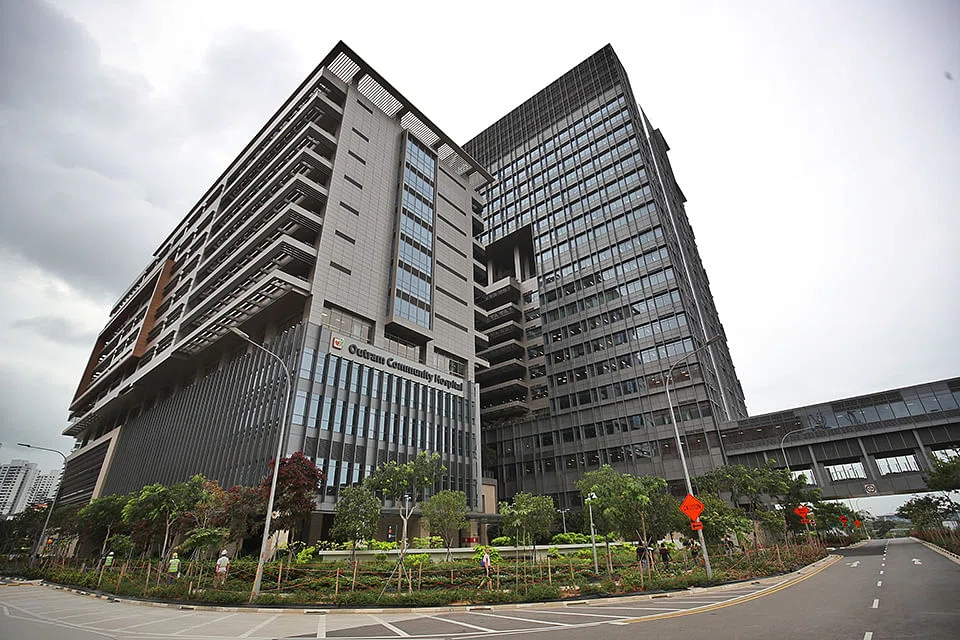
MOH's development expenditure forecast for this year is S$1.5 billion - a 70 per cent increase from S$885 million last year - which it will spend, among other things, on major IT projects at facilities including Alexandra Integrated Hospital, Outram Community Hospital, and Tan Tock Seng Hospital's Integrated Care Hub.
But the pandemic has exacerbated another barrier - the battle for tech talent. With most industries digitalising, competition for candidates is intense. Data scientists and cybersecurity experts with medical experience may be hard to come by, or too expensive to woo.
To address this, hospitals can offer meaningful work in cutting-edge projects, such as cross-disciplinary data handling tools, or launch talent development initiatives similar to Spain's healthcare solutions accelerator, Moebio.
Partnerships, like the one between SGInnovate and SingHealth, could be a solution.
Another alternative is to tap vendors with tech expertise to plug talent gaps - Bumrungrad International Hospital in Bangkok, for example, uses a data management system by Siemens Healthineers to directly upload patient data into its digital network, and send it to other hospitals within its network complying with regulatory guidelines.
Then there's culture. Sustained digital transformation is challenging for many health systems, as few healthcare providers manage their data as a strategic asset. To overcome this, hospitals can create a learning health system where patient outcomes are regularly shared and reviewed within the organisation.
Rigorous measurement and dissemination of outcomes fosters a culture of improvement. Some players, like US hospital operator Community Health Systems, are shifting their culture by making operational and clinical data secure and easily accessible. Others, like the Mayo Clinic, are demonstrating commitment to digitalisation by hiring a chief data officer.
The third barrier, data security, is perhaps the most prominent due to hospitals' traditionally low investment in cybersecurity and the sensitive data they handle. Indeed, there have been several major healthcare cybersecurity breaches worldwide since Covid-19 broke out.
Singapore's Personal Data Protection Commission has advisory guidelines for the healthcare sector, while MOH is working to create a governance framework specifically for AI in healthcare.
With increased use of telehealth and remote monitoring, hospitals can shore up data security by creating systems designed for privacy by default. This may be challenging if they lack talent, so to adapt more rapidly, organisations can partner with providers which have local regulatory and cybersecurity expertise to do network assessments or purchase medtech. Some of Siemens Healthineers' hospital clients have requirements as strict as those of the US Department of Defense, so products are developed with cybersecurity experts and rigorously stress-tested for hacking.
Accelerating health hub status
With this week's new medical innovation partnership, as well as plans for a hospital digitalisation roadmap - including cybersecurity management, a shift to cloud, and plans to secure digital talent through strategic partners - Singapore is well on its way to being a digital health hub leader.
But given the daunting scope and complexity of healthcare digitalisation, a coordinated effort between hospitals, the government, and solutions providers is crucial to make headway. With its Smart Nation initiatives, Singapore's government is offering precious support, while partnerships with vendors of new and relevant digital solutions can help hospitals successfully bypass the hurdles to digitalisation, and evolve well with the times.
- The writer is managing director of Siemens Healthineers, South-east Asia