
The business behind Singapore’s art market boom

Straight to your inbox. Money, career and life hacks to help young adults stay ahead.
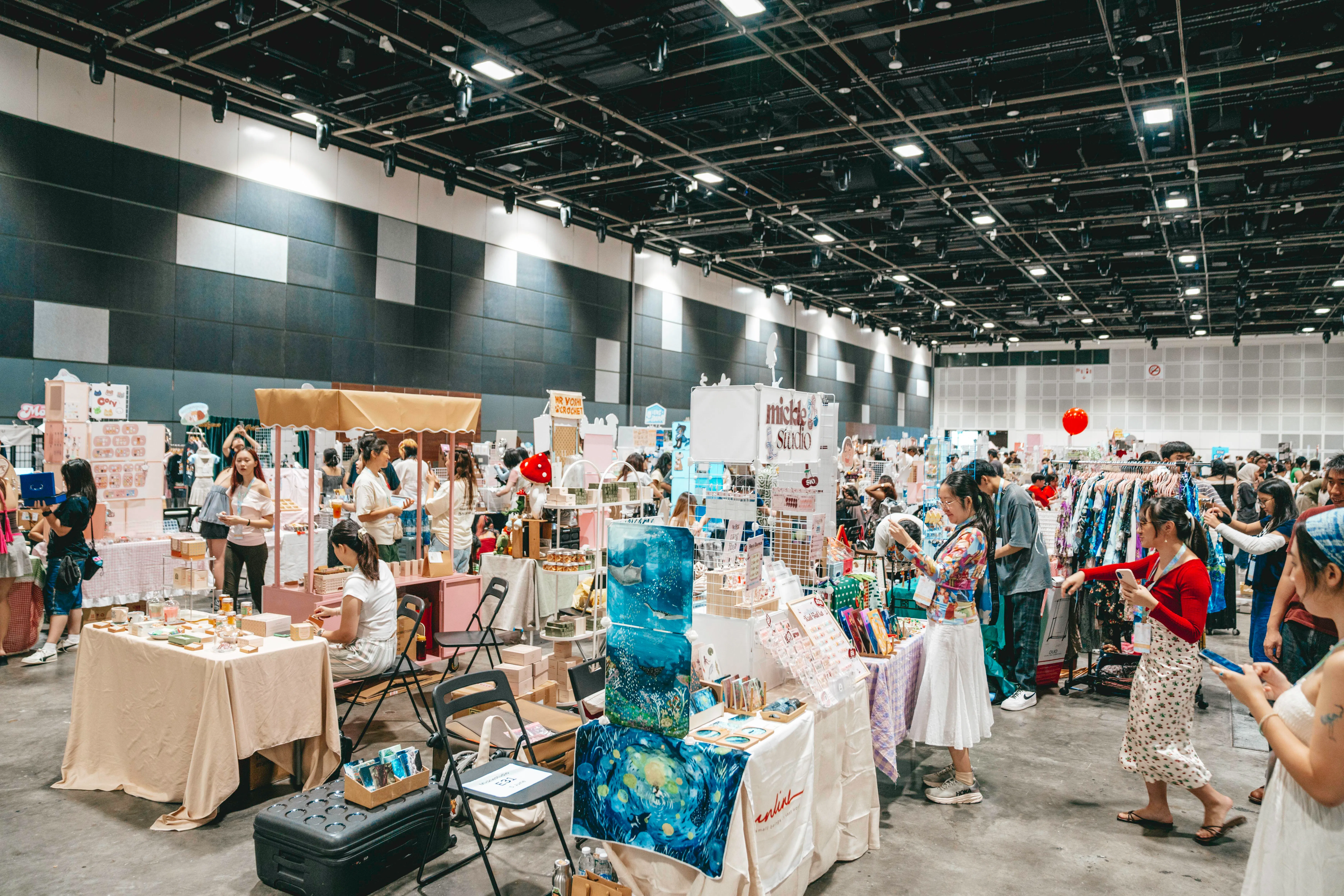
[SINGAPORE] Art and thrift market Mercury Festival returned for its ninth edition two weeks ago. If you were at Suntec Convention & Exhibition Centre that weekend, you couldn’t have missed it.
Described by one TikToker as a “war zone”, the free-entry event drew about 32,000 visitors, up from 18,000 at its previous edition last year.
The festival is part of a growing wave of art fairs such as Artcade and Public Garden, where local creators sell everything from jewellery and art prints to jagua tattoos and even tooth gems.
As an avid collector of art prints, I’ve been to my fair share of these events. For a first-timer, the experience can be overwhelming.
“I felt like a fish swimming in an ocean,” my friend says about her first art fair experience.
But as these fairs grow in scale, so do the challenges. To understand what it takes to run an art fair, I spoke with the people behind it.
Running an art fair
First launched in 2022, Mercury Festival looked very different from the mega event it has become today.
Founder Kelly Wong recalls underestimating the effort required to organise an art fair. “I remember thinking… it’s just a venue and a few tables. How hard could it be?”
The first edition, held at the Visual Arts Centre at Paya Lebar, featured about 30 vendors. With no prior event planning experience, Wong found herself juggling multiple roles, running between her booth and the entrance to manage crowds.
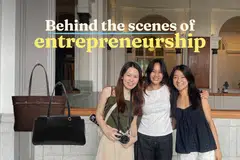
Today, the 22-year-old runs Mercury Festival with two co-organisers, overseeing everything from securing venues and curating vendors to marketing the event.
While her co-organisers focus on administrative work and marketing, Wong handles logistics and works with vendors on their setup needs.
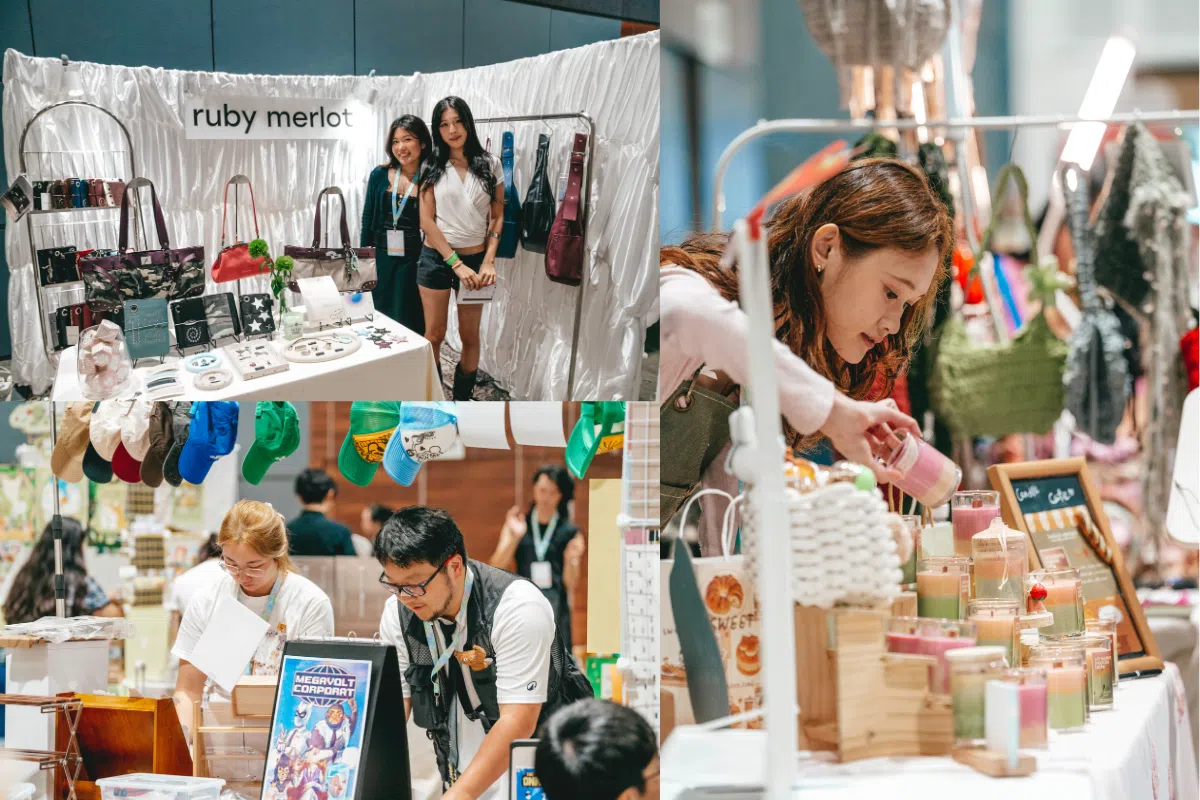
In its latest edition, Mercury Festival featured 230 vendors, with around 85 specific requests from vendors that the team had to accommodate.
For instance, food vendors have asked to be placed away from scent-based stalls, as fragrances could affect visitors’ appetites.
The cost of growth
As Mercury Festival expands, so do its logistical challenges. At its latest edition, the festival drew criticism over crowd management, with some visitors reportedly waiting hours just to enter the event.
In response to media queries, the organisers apologised to visitors and acknowledged the congestion, adding that they were reviewing their crowd control processes.
Its growth has also led to higher operational costs, particularly venue rental. At Mercury Festival’s first event at Paya Lebar, Wong said she paid for the venue using savings from her pocket money. At the previous edition last year at Singapore EXPO, renting the space for three days cost around S$100,000.
Michael Ng, founder of Illustration Arts Fest (IAF), says this is a common challenge, with their rental cost increasing year after year.
Founded in 2016, IAF showcases local and international artists, with a focus on original illustrations. The event is co-organised by Ng, alongside Zu Wee and Valerie Ong, founders of social enterprise Thirtytwocm.
Its 2025 edition had close to 7,000 visitors attending, up from 5,000 when they first started out.
Unlike most local art fairs which offer free entry, IAF operates on a ticketed model, charging S$8 for a one-day pass.
Co-organiser Zu Wee says this helps filter for visitors who are genuinely interested in the art, and are more likely to support creators through purchases and engagement. It also helps sustain the festival, which is entirely self-funded.
In contrast, Mercury Festival remains free-entry, relying primarily on vendor fees ranging from S$135 to S$430 per day.
As art fairs grow in popularity, competition has also intensified. Zu Wee notes that it’s been harder to secure artists and dates that do not clash with other fairs.
In recent days, Mercury Festival’s organisers have come under fire on social media over several allegations, including claims that its organisers promoted their event at other fairs.
In a statement to Thrive, its organisers said: “Mercury Festival does not support bad-mouthing or hostility towards other organisers. When we became aware of concerns involving another event, we reached out directly to clarify the matter.”
It added that Mercury Festival remains committed to “supporting the wider small business and creative market community”.
When asked about allegations that the team underpaid staff, used AI-generated artwork and profited heavily from the event, the organisers said these claims were inaccurate.
Wong tells Thrive that despite six months of planning, the team earned a total of S$20,000 after costs, split among the three core members.
Participating as a vendor
For vendors, participating in these fairs also comes with its own challenges.
Ren Low, 29, also known as butterbeanren, began selling art prints and stickers as a side hustle during the pandemic. Since then, she has held booths at fairs including Mercury Festival, Artcade, Apple Farmacy, and international art events.
Much of her work happens before the fair even begins. Booth design, she says, is crucial.
“It’s super important because you need to stand out among vendors. Since events can get crowded, visitors may only be able to see the top part of your booth, so you have to make it eye-catching,” she says.
Beyond the physical setup, she also has to consider how her products are showcased, since you only have seconds to capture the attention of visitors.
Art director Christen Teo, 26, who goes by cloudrawn, says it can be emotionally exhausting to defend her pricing decisions. While most patrons are considerate, she notes that some customers have compared her work to cheaper online alternatives.
The money can also vary widely. As a full-time artist, Low makes an average of about S$3,000 per event, while Teo, who has participated in smaller events, makes about S$230.
Still, both artists agree that these events are valuable for building relationships in the community.
“It makes creating art feel less lonely and even supported by the local community,” says Teo.
More than a market
For IAF’s Ng, art fairs can give local and international artists a shared platform.
He notes that unlike some other countries like Japan and Korea where there is more support for local artists, there aren’t as many opportunities and events for Singapore creators to showcase their work.
For now, Ng says his team is more focused on maintaining the quality of IAF’s lineup. Not to gatekeep, he says, but to ensure that IAF is worth visiting and participating in.
To Wong, the growing interest in art fairs reflects a broader shift.
“It’s been a big trend for us youths to reach for individuality… And finding an artist who creates pieces (that are) aligned with your own identity brings much more joy than buying mass produced items,” she says.
Decoding Asia newsletter: your guide to navigating Asia in a new global order. Sign up here to get Decoding Asia newsletter. Delivered to your inbox. Free.
Copyright SPH Media. All rights reserved.







