
When a home-based business outgrows the home

Straight to your inbox. Money, career and life hacks to help young adults stay ahead.
[SINGAPORE] When Waterloo Coffee first opened out of an 11th-floor flat in Waterloo Centre last April, owner Uzma Mueez had just decided to leave corporate work and start a business of her own.
Within six months, she and her husband moved their operations into an empty first-floor unit in the same block in order to meet the growing demand, as customers sometimes had to wait downstairs during the lunch rush when the corridor setup became too crowded.
Since the Covid-19 pandemic, home-based businesses have popped up across Singapore, as more people are drawn to the idea of starting small, with lower costs and more flexibility than running a physical shop.
Their rise has also drawn criticism from some in the food and beverage (F&B) industry, who say home-based operators face fewer regulations and therefore enjoy an unfair advantage over brick-and-mortar businesses.
But for some owners, their growing popularity eventually led them to open physical stores, and take on the same pressures that come with running one.
🛠️ Room to test demand
Two Sisters’ Smoothie first started as a smoothie bar in 2024 at Frankel Close. Run by sisters-in-law Lydia Batricia Azman, 23, and Lew Su Ling, 32, they operated their bar at the front porch of their Siglap house.

In December 2025, the pair ceased their home operations to focus on a new physical storefront at Marine Terrace that opened its doors in February this year.
Opening a physical outlet had always been the plan, says Batricia. The transition also felt timely, especially as home businesses started facing more scrutiny from the public and the F&B industry, she adds.
Starting out as a home-based business, though, gave them the testing ground to refine their menu.



“While running our home-based business, we changed our menu about five times to figure out what customers preferred,” says Batricia. “There were flavours that we thought would be a hit, like durian, but ultimately got scrapped from the menu.”
Banele owner Priscilla Toh, 37, also says the home-based phase helped lay the groundwork for her business. She began baking during the pandemic before turning it into an online business, which later expanded to a physical outlet at Chancery Court in 2024.
Starting out from home helped to build a loyal customer base, rather than having to build everything from scratch while taking on the pressures of having overhead costs to cover.
For Waterloo Coffee, the home-based setup also gave Uzma space to experiment with recipes and opening hours, which at one point ranged from as early as 6 am to as late as midnight.
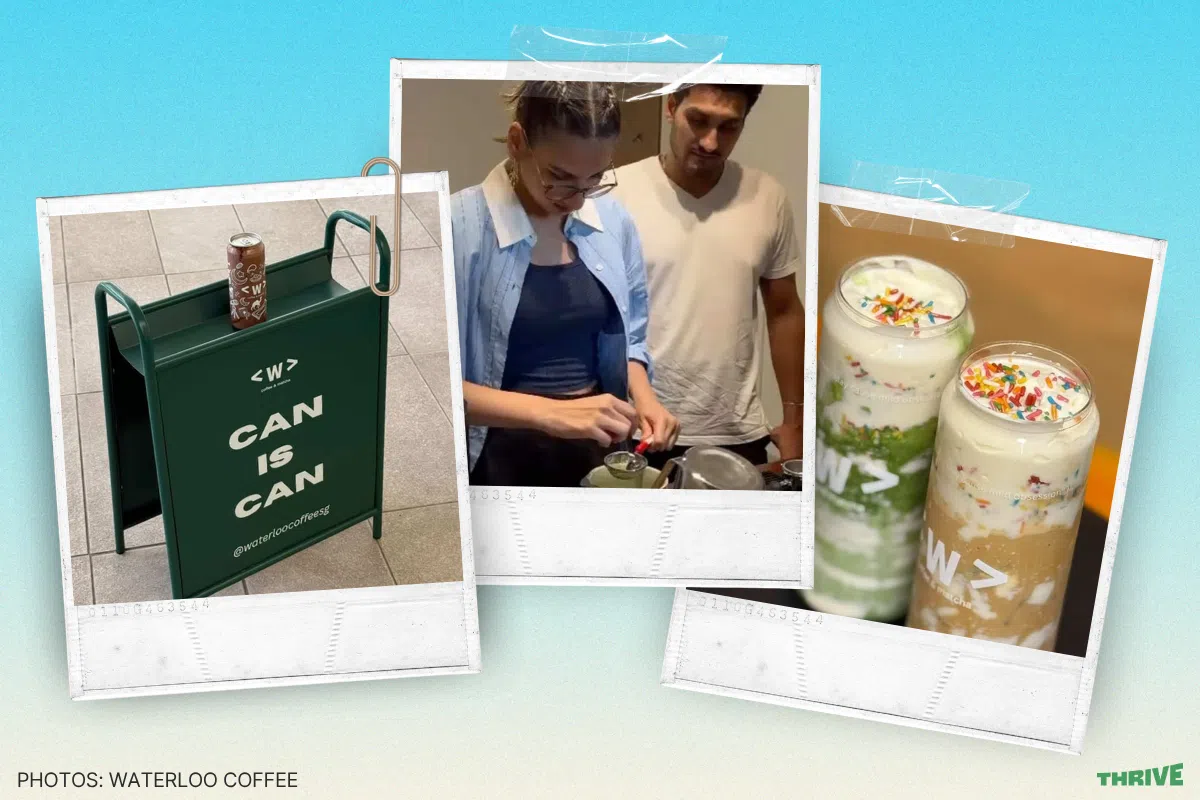
“I would do tastings for new flavours every two weeks. Whatever made the cut, I would add it to the menu,” says the 26-year-old. The cafe now has 50 items on its menu.
The lower pressures and flexibility of a home business also allowed Uzma time to work on an aggressive social media marketing plan that helped the business gain traction, especially in the beginning.
The capital she saved up from running the home business was also what made the move possible.
💪 Upsides of a retail space
Moving to a retail space has some obvious perks – more visibility, longer operating hours and the ability to serve more customers.
At Two Sisters’ Smoothie, daily customer numbers rose from around 20 to 50 people during its home-based phase to 100 to 200 a day after the move to Marine Terrace. The storefront also allowed the business to operate beyond weekends.
After moving into a physical outlet, Batricia estimates that their revenue has doubled.
Waterloo Coffee also saw gains from operating in a commercial unit. Uzma says the move allowed the business to buy supplies at cheaper rates, instead of purchasing smaller quantities at a time from a supermarket.
Uzma and her husband also prioritised keeping renovations and costs minimal in order to get the business up and running as soon as possible.
“In terms of revenue growth, the best days during our home-based era are considered average days to our business now,” she says.
🔥 Turning up the heat
But opening physical stores also brought new pressures.
In the first week of opening their storefront, Batricia and Lew received feedback that the quality of their smoothies was inconsistent. It was the first time they hired part-timers, and they found it challenging to train the staff while handling a much larger volume of orders.
On top of that, they had to face the perennial problem of finding part-timers in the F&B industry.
Toh says Banele’s move into a storefront was initially overwhelming. The place she rented had many design guidelines and operational rules she had to follow. She also hadn’t anticipated the sheer number of licences, permits, and requirements needed before the store could open.
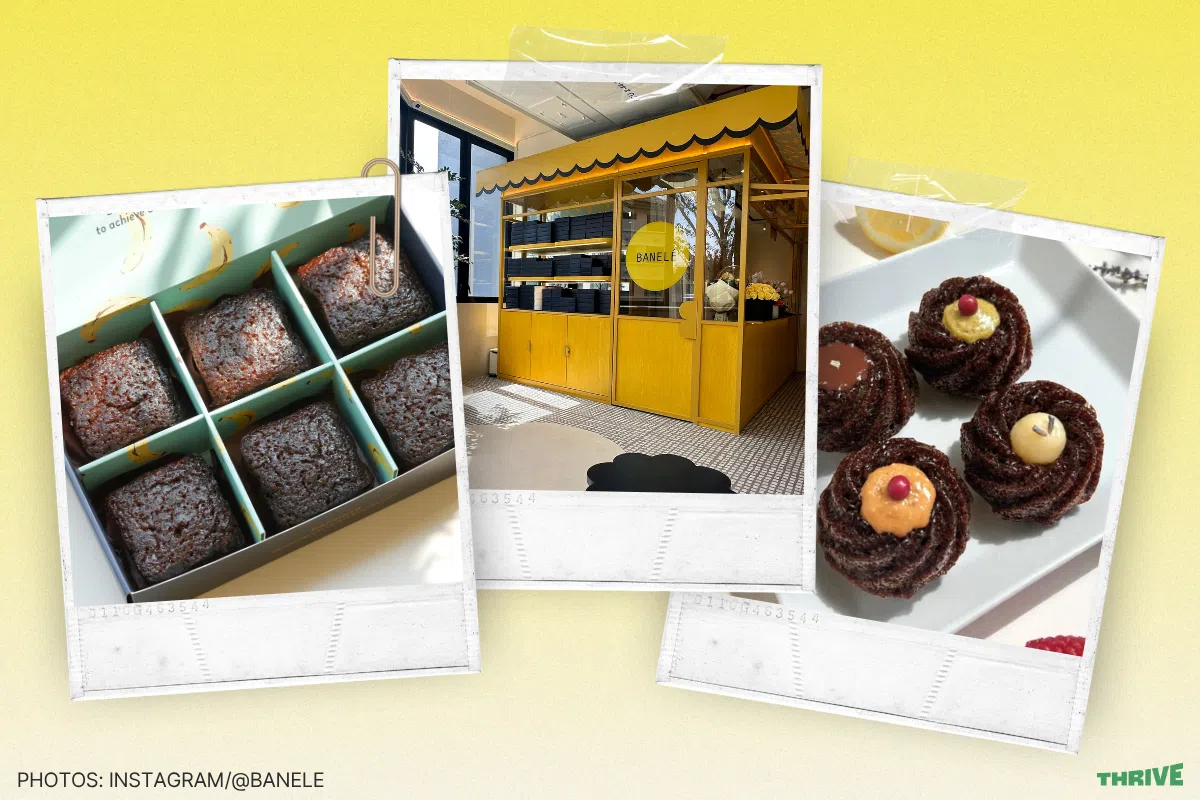
“The first year of running the store was quite challenging as we were learning so many new things at once. But things have gradually steadied, and we’re slowly finding our rhythm,” she says.
While Banele’s revenue has doubled since opening its physical store, overheads and operating costs have risen too.
🌱 Trading freedom for growth
For these owners, what they gave up was not just lower costs, but freedom.
Uzma says she misses the comfort of running Waterloo Coffee from home, when she could have friends over while working and relax in between orders in her own space.
Toh says she misses that flexibility too, even though she values the smoother operations and Halal-friendly commercial space that Banele’s storefront now offers.
Through her business journey, Toh says one of the biggest lessons she’s learnt is that there is never a perfect time to take a risk.
“Staying as a home-based business can actually be a wonderful setup with much less stress and fewer overheads. A physical store can bring new opportunities, but it also comes with a lot more responsibilities,” she says.
“Ultimately, it’s about choosing the path that aligns with your goals and what works best for you and your family.”
TL;DR
- Home-based businesses offer a low-risk start compared to brick-and-mortar shops
- Owners should consider staffing, licensing, and higher costs before expanding
- Comfort and convenience could also be a trade-off when moving to a retail store
- A physical expansion could bring growth and stability, but less flexibility
Decoding Asia newsletter: your guide to navigating Asia in a new global order. Sign up here to get Decoding Asia newsletter. Delivered to your inbox. Free.
Copyright SPH Media. All rights reserved.
TRENDING NOW

DBS, OCBC, UOB rout lops billions off STI as inflation, rate concerns spook investors

Grab CEO’s wife Chloe Tong on life with Anthony Tan and finding her purpose

OCBC sheds S$8 billion in value as shares close nearly 6% down; analysts cautious on banks

Deal between tycoon friends sparks scrutiny of Philippine power sector


