
Livestream shopping is transforming how young people shop

Straight to your inbox. Money, career and life hacks to help young adults stay ahead.
[SINGAPORE] Back in January, while Singaporeans flocked to malls to pick out their newest Chinese New Year outfits, Joyce R turned to TikTok livestreams instead.
She wasn’t alone – hundreds of comments filled the live chat, asking the host questions about sizes and colour variations.
Within minutes, Joyce had a new Chinese New Year outfit in her cart, ready to be delivered in a few days.
The 27-year-old legal associate is no stranger to shopping on livestreams, often playing them in the background while she goes about her day. She declined to give her full name while discussing her buying habits.
Livestream shopping is changing how people buy things online. Shoppers can see how clothes look on a real person, ask questions and interact with a host in real time. But as shopping starts to feel more like content, it also becomes easier to spend on things they might otherwise not have bought.
The format is also clearly gaining popularity. Last year, TikTok Singapore said livestream sales on the platform more than doubled in value from January to November. Over the same period, the number of daily shoppers grew by 1.8 times, local sellers by 1.4 times, and affiliate creators nearly doubled.
The appeal of livestreams
Before hopping on the livestream shopping bandwagon, Charlene Yap, a 24-year-old marketer, was sceptical. But after making her first purchase, she became a convert.
“Working full-time means you barely have time to shop, so having someone choose and try on clothes for you really helps,” she says.
Analia A, 24, says that limited-time discounts offered during livestreams make purchases harder to resist. The software engineer, who also declined to give her full name, watches such streams about once a month.



For Joyce, having a live host try on outfits makes her more confident about buying them. Unlike online stores that feature professional models, hosts often have more realistic body types, making it easier for Joyce to picture how clothes would look on her.
“Sometimes they also show you how to pair certain pieces with other items the brand has sold before,” adds Joyce. “If you are a repeat customer who already has some of their other items, it’s a plus because now you can mix and match their collection.”
Behind the livestream camera
Sarah Lim (not her real name), 25, started out modelling for fashion brands before moving into full-time livestreaming in 2024.
Lim works with fashion brands to showcase their collections on livestreams, with many of these brands launching new products every week. While some streamers earn through commissions, she typically charges an hourly rate for each session.
She declined to be named as she did not want to be identified by the partner brands she works with.
Depending on the brand, the live sales can attract hundreds of viewers. Lim says livestreaming now feels like a mix of retail and entertainment.
Beyond just answering questions about the products, Lim also incorporates elements of what she calls “personality-driven hosting” – through telling stories, cracking jokes and styling different outfits.
“In a way, it starts to feel more like reality-style content, or even ‘get ready with me’ videos, where viewers can just chill with the host. It becomes like passive companionship.”
Chelsea Chan, co-owner of online gummy store Candy Cottage, hosts “pick and mix” sessions on TikTok and Shopee where watchers select candies as she packs orders in real time.
The 31-year-old says that livestreaming allows her customers to see product details like texture and colour variety, things that static listings may not convey well.
Currently, the business hosts about six livestreams a week, with about 40 per cent of revenue coming from live sales.
Confessions of a shopaholic
The shoppers who spoke to Thrive say that livestreams make them prone to impulse buys.
Analia says that she often tunes into a stream without intending to buy anything but leaves with something in her cart. She has also noticed that she is more likely to buy things late at night or when she is in a low mood.
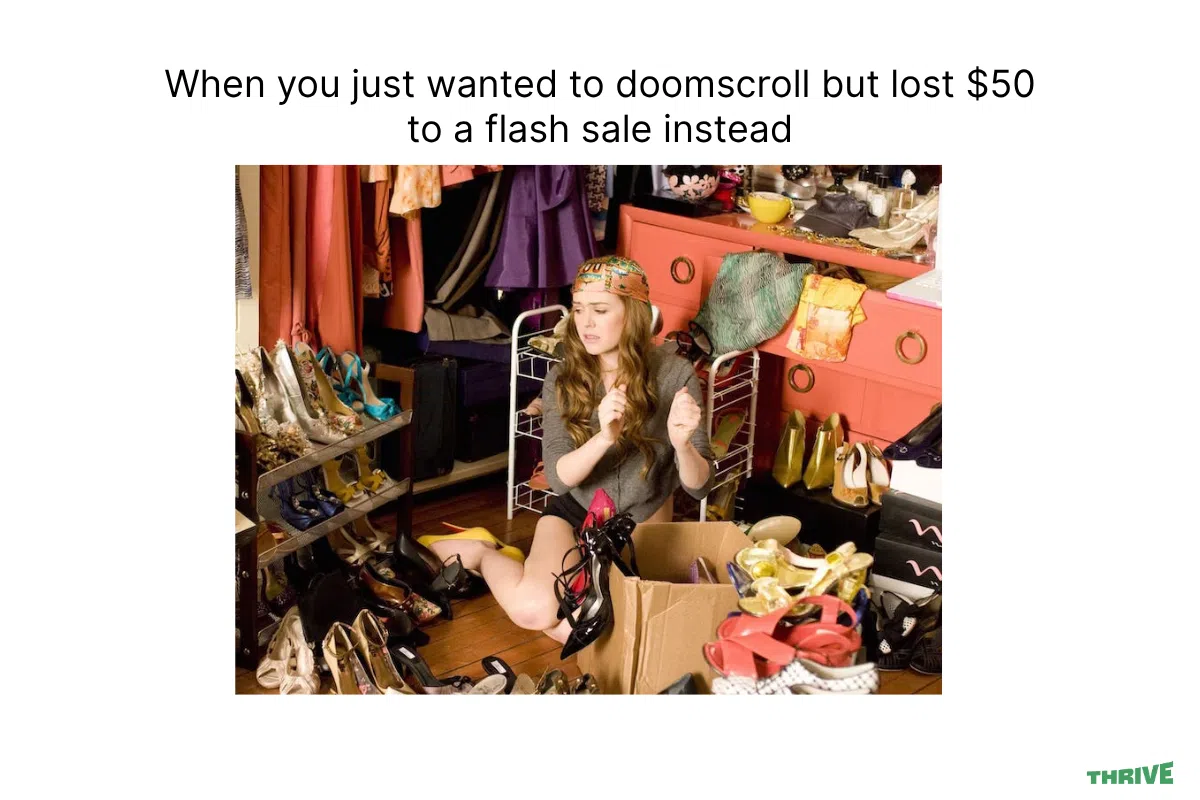
Joyce, meanwhile, says she has wasted money on items that didn’t fit right because returning them was too much hassle.
To be sure, these are not problems specific to livestream shopping. But for Joyce and Analia, it’s the allure of livestreams that led them to make these purchases they would not otherwise have made.
Despite their concerns about impulse spending, the amounts they spent aren’t huge. Analia estimates that she spends about $30 a month, while Joyce spends $50 every three months.
“I guess it’s okay once in a while as long as it is within your means,” says Joyce. “Since the delivery of the item is really fast, it scratches the itch of instant gratification.”
The science behind livestream shopping
Samer Elhajjar, a senior lecturer at the National University of Singapore Business School, says that the effectiveness of livestream shopping lies in its mix of social connection, entertainment and urgency.
Rather than just browsing products, viewers interact with a live host and watch other consumers react alongside them. This creates a strong sense of social presence and trust.
Dr Elhajjar adds that parasocial relationships may also come into play. Viewers feel like they “know” the host, which lowers their scepticism and makes the host more persuasive.
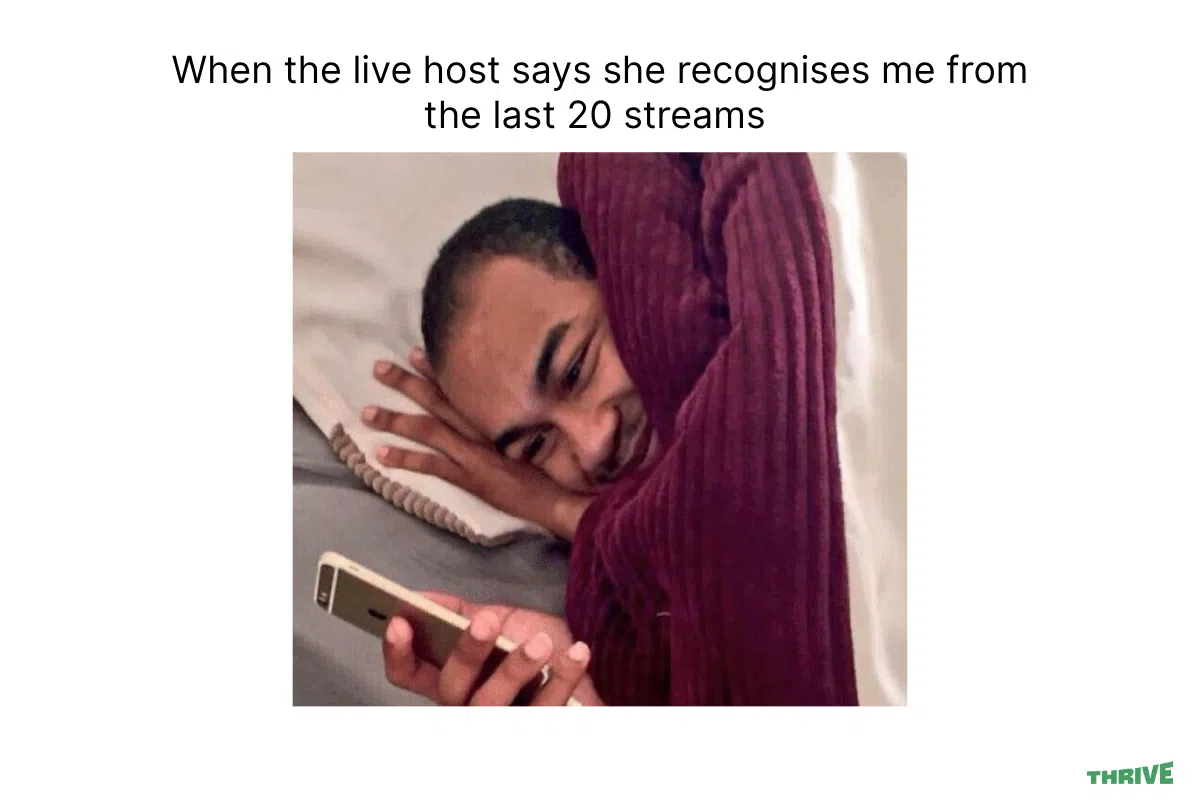
Both Yap and Joyce also recall seeing hosts recognise regular watchers in live chats, a small gesture that further narrows the gap between seller and buyer.
Limited-time offers may also activate a fear of missing out, pushing consumers to act quickly rather than deliberating.
For businesses, a single livestream can allow them to engage hundreds or thousands of potential customers simultaneously, at a relatively low cost compared to setting up new retail locations, says Dr Elhajjar. More importantly, it puts a real face to a business and humanises the brand.
But for consumers, there’s a risk that relying too much on influencers and other viewers will weaken their ability to objectively evaluate a purchase, says Dr Elhajjar.
“If consumers become accustomed to making fast, emotionally driven decisions, it may weaken more mindful purchasing habits in the long run.”
Decoding Asia newsletter: your guide to navigating Asia in a new global order. Sign up here to get Decoding Asia newsletter. Delivered to your inbox. Free.
Copyright SPH Media. All rights reserved.
TRENDING NOW

Once staunchly pro-China, Malaysian Chinese businesses are now distancing themselves from Beijing

Looking beyond looming CEO succession, should UOB potentially pursue a transformative merger?

Could stablecoins be the future of money?

Grab CEO’s wife Chloe Tong on life with Anthony Tan and finding her purpose


