
Run clubs are booming and brands want in

Straight to your inbox. Money, career and life hacks to help young adults stay ahead.
[SINGAPORE] Last month, runners from Easy Pace* Run Club gathered at the Red Dot Design Museum for what appeared to be a typical evening run.
But among the runners decked out in the latest shoes and jerseys, an odd group seemed to stand out: representatives from brokerage firm Tiger Brokers. During warm ups, its representatives mingled with participants and encouraged them to start their investing journey.
The session was part of Tiger Thursdays, a recurring collaboration with Easy Pace* Run Club under Tiger Brokers’ Where’s Your Next Step? campaign.
While it is common for fitness brands like Nike and Under Armour to partner with run clubs, a growing number of businesses with little direct connection to exercise are also using them to reach consumers.
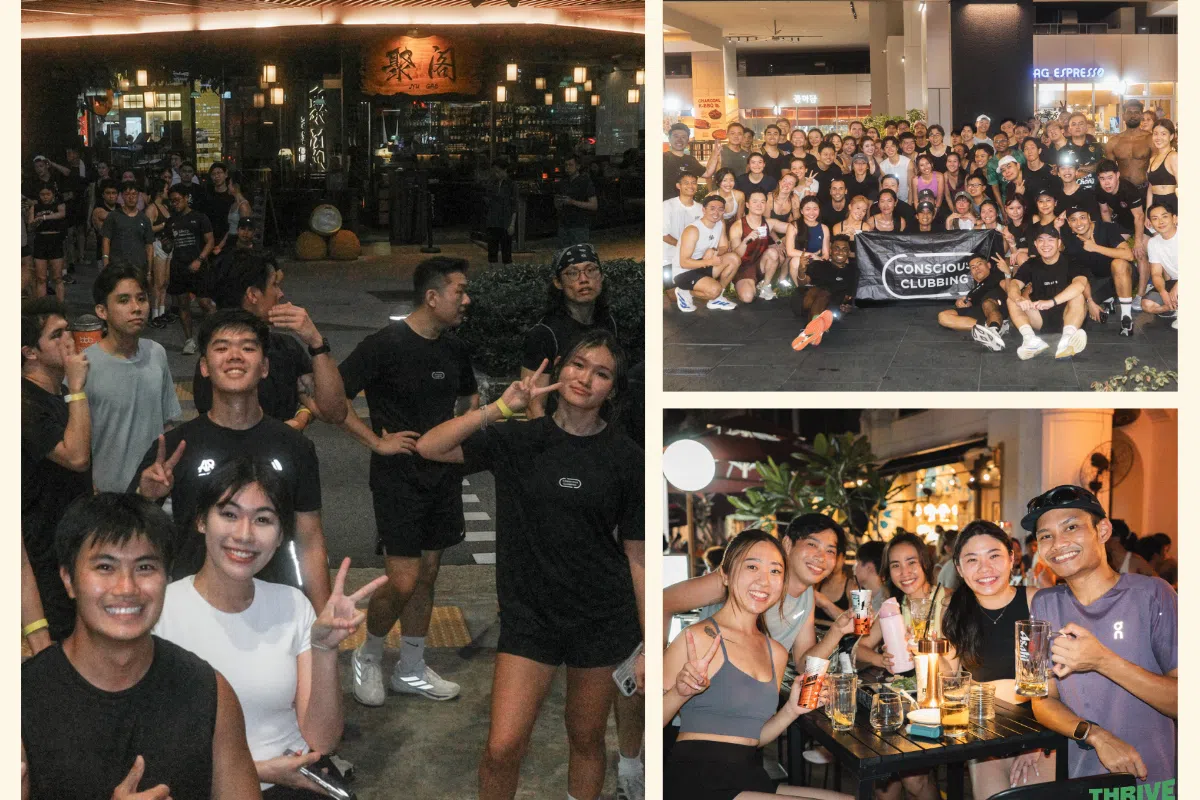
Earlier this year, Coffee Meets Bagel partnered with Easy Pace* Run Club and Conscious Clubbing to host a “Date Night Run”. After completing a 5 km route, participants ended the night at Nova Bar, where they could mingle and enjoy free drinks.
Another unconventional partnership comes from Sony Pictures’ recent collaboration with Easy Pace* Run Club.
Ahead of the theatrical release of Masters of the Universe, the club’s runners took to the streets of Orchard donning He Man-themed costumes and completing challenges.
Eateries themselves have also been jumping on the trend, with burger chain Shake Shack, cafe Hello Arigato, and Latin American restaurant Chimi’s organising their own runs.
To be sure, such sponsorships are not new. Standard Chartered has famously been the title sponsor for the Singapore Marathon, before being replaced by BYD earlier this year.



What has changed, however, is the range of brands getting involved and the scale at which this is happening.
Even businesses that could be thought of as the antithesis to exercising – such as bars and alcohol brands – are joining the growing number of run club collaborators. Smaller homegrown businesses are also entering a space dominated by major international brands.
And if you’ve noticed more Strava routes on your feed and a growing obsession with Zone 2 running, you aren’t imagining it – running is growing in popularity.
The scale of that growth is evident in the annual Singapore Marathon, which has grown from 5,000 runners in 2009 to over 55,000 runners at its 2025 edition.
The number of run clubs has also kept up with that growth, turning running from a largely solo activity into a social one.
Why brands are lacing up
Ian Leong, chief executive officer of Tiger Brokers Singapore, says its collaboration with Easy Pace* Run Club is intended to bring the online brokerage into the physical world.
“We found that communities like run clubs in Singapore are highly engaged, motivated, and socially connected,” he says.
“(This makes) them an effective environment for building meaningful brand relationships rather than driving surface-level awareness.”
Tim Campbell-Scott, market director at lululemon Southeast Asia, says this presents an opportunity to engage with consumers more organically.
Lululemon also has its own run club which hosts free sessions that typically start and end at its retail stores. The brand has also partnered with existing clubs such as their recent community run with Singapore Runners Club that concluded at their JEM outlet.
Rather than relying solely on traditional marketing, brands can become part of these communities and build relationships through shared experiences, he adds.
How the partnerships work
Conscious Clubbing, which founder Joshua Yap, 31, describes as a “drinking club that runs”, organises runs that start and end at a bar. With every 250 calories burnt, each participant is entitled to a free drink at the end of the run.
Its sessions are often held at venues on quieter nights, helping the business attract customers.
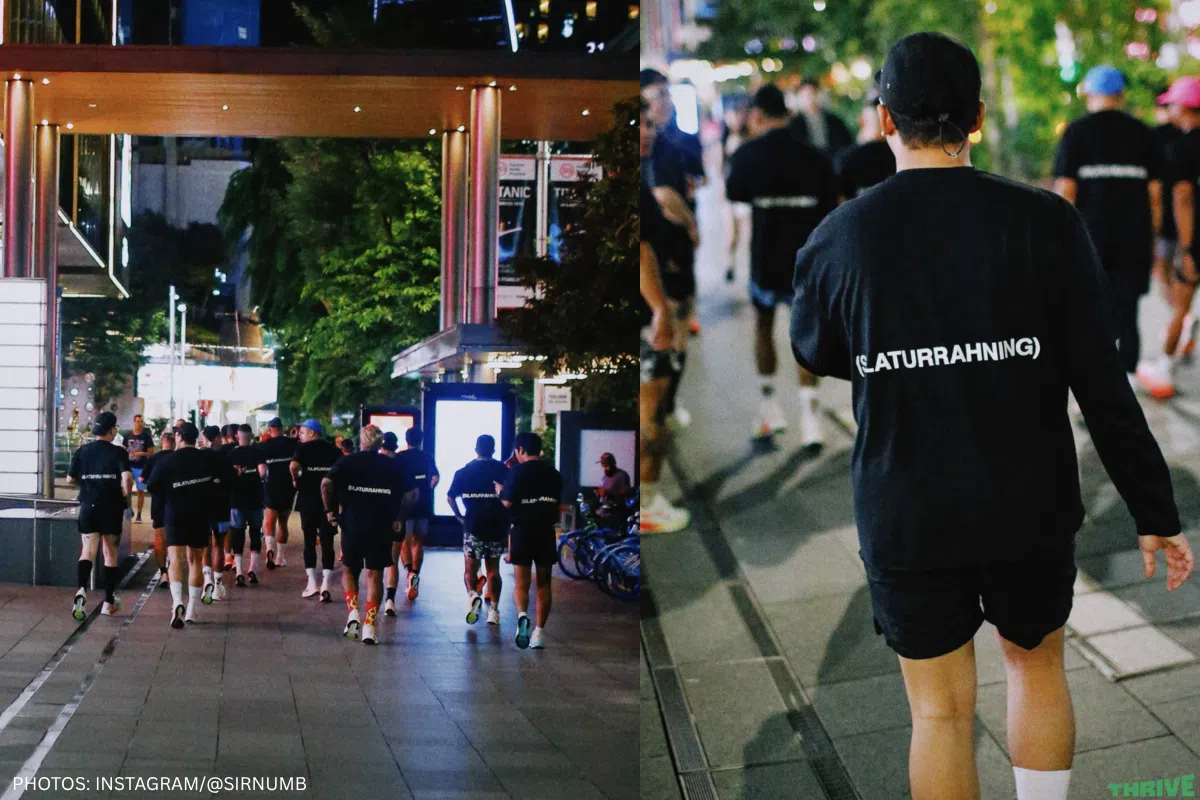
Yap estimates that participating bars generate an average of about S$4,000 per night. Conscious Clubbing sometimes receives around 10 per cent of this revenue, which Yap reinvests into volunteer welfare and operating costs. Sir, Numb, a running collective, typically starts and ends its monthly runs at an F&B venue, creating opportunities for partnerships with local businesses.
Earlier this year, it organised a three-way partnership with Nike and cafe Open Secret. Runners could test Nike shoes during the session before returning to the cafe for a curated menu.
Sir, Numb tells Thrive that it does not take a cut from its sponsorships. Instead, it sustains itself through merchandise, earning about S$2,000 from one of its latest product drops.
Turning runners into customers
Before joining MacRitchie Runners, Ariel Teo was never particularly drawn to Pocari Sweat. The sports drink brand provides beverages for the club’s weekly runs at MacRitchie Reservoir.
After trying it during these sessions, the 23-year-old found herself reaching for it even outside of runs.
A 2024 YouGov survey of 1,023 adults in Singapore found that 43 per cent of them would consider purchasing products or services from brands that sponsor running events.
Yap says that run clubs can create particularly strong emotional connections between participants and brands.
“Participants may experience a runner’s high during sessions,” he says. “When you put a brand into an experience that’s so emotionally charged, you naturally create this positive brand association.”
Keeping the community first
For run club organisers, however, commercial partnerships are often not the main point.
Afiq Rezza, co-founder of Sir, Numb, says its collaborations have always been organised with the community in mind.
“The best thing about these sorts of gatherings is that you meet people from different backgrounds that you wouldn’t typically encounter on a day-to-day basis,” he says.
But as more brands enter Singapore’s run club scene, organisers will have to balance the commercial opportunities with the sense of community that made these groups attractive in the first place.
Yap believes running a club could potentially be a profitable business, but says organisers should be careful not to prioritise profit over their members.
Conscious Clubbing is exploring larger-scale, ticketed events in the future. But Yap remains focused on creating an inclusive space where people can keep fit and forge meaningful connections
“Once you focus too much on profits, you kind of lose that sense of community and purpose.”
Decoding Asia newsletter: your guide to navigating Asia in a new global order. Sign up here to get Decoding Asia newsletter. Delivered to your inbox. Free.
Copyright SPH Media. All rights reserved.
TRENDING NOW

DBS, OCBC, UOB rout lops billions off STI as inflation, rate concerns spook investors

Grab CEO’s wife Chloe Tong on life with Anthony Tan and finding her purpose

OCBC sheds S$8 billion in value as shares close nearly 6% down; analysts cautious on banks

Deal between tycoon friends sparks scrutiny of Philippine power sector


