
For some young Singaporeans, renting is a worthy expense

Straight to your inbox. Money, career and life hacks to help young adults stay ahead.
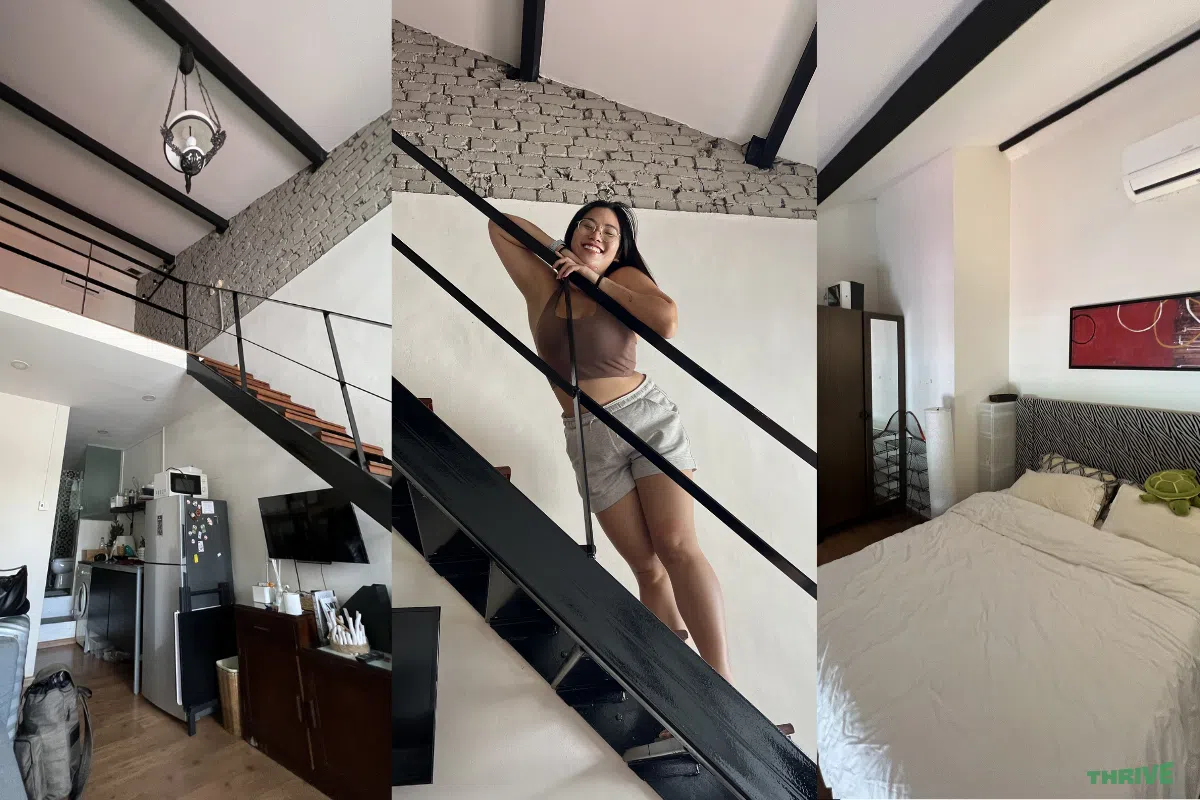
[SINGAPORE] It has been about six years since Mathilda Huang, 29, moved out of her family home.
Amid the Covid-19 pandemic, Huang moved into a rental apartment, which was the change of environment she needed as her mental health had begun to suffer.
“I felt that my house, at that point in time, was a bit chaotic because my parents were also working from home. So, three people… trying to coexist in the same space was a bit too much,” she says.
In Singapore, young adults typically live with their parents until they marry and become eligible for subsidised public housing from the Housing & Development Board. That, or until they turn 35 and can apply for a Build-To-Order (BTO) flat as singles.
Independence often carries a hefty price tag, one that many early-career professionals prefer to defer until they are more financially secure.
But for some young Singaporeans, the pull of living on their own terms is strong enough to push them out of their family home and into a rental.
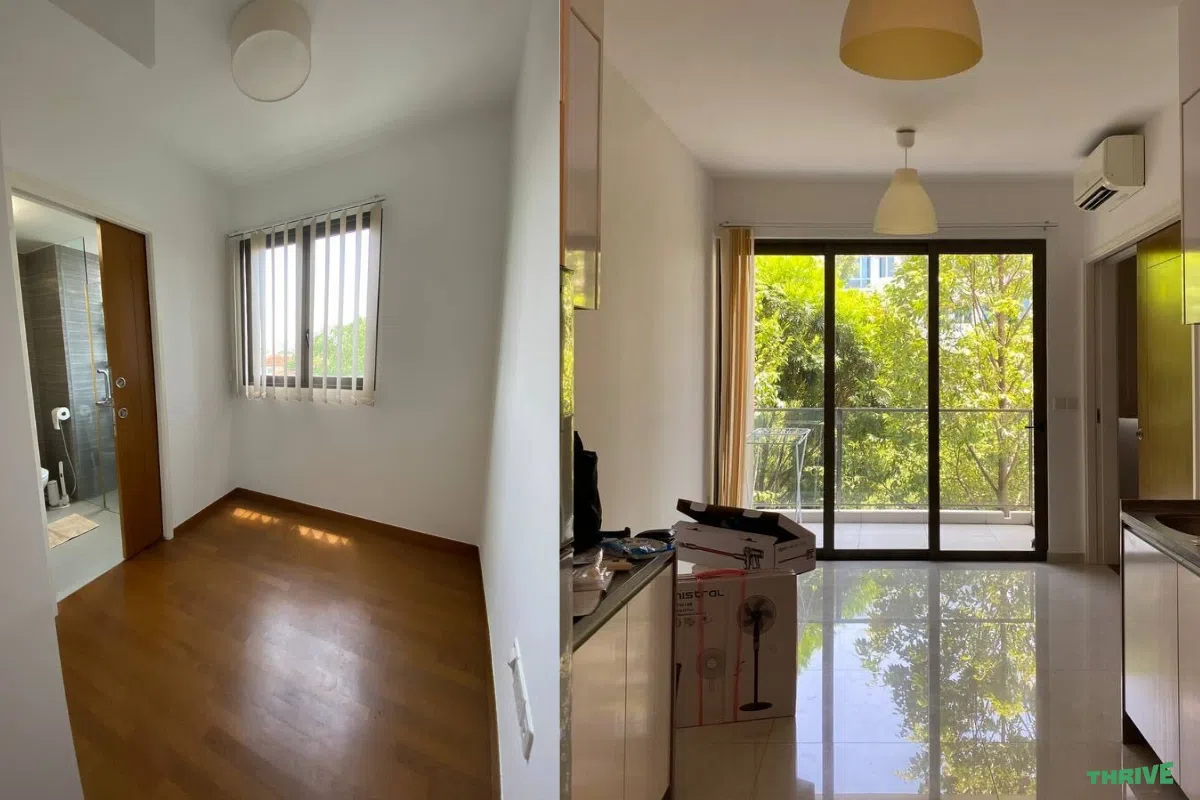
Sarah (not her real name) and her husband are among them. Shortly after getting married, the couple chose to rent a two-bedroom condominium unit rather than spend their newlywed years under their parents’ roof.
Although moving in with the in-laws is still fairly common in Singapore, especially for couples waiting for the completion of their BTO flats, that wasn’t the life Sarah imagined for herself.
“To me, the idea of marriage always entailed having our own home, so we knew from the beginning that’s what we wanted,” says the 29-year-old, who declined to be named for privacy reasons.



The couple has been in their rental for nearly three years, and expects to move into their new flat in October 2026.
Financing rents
Sarah and her husband spend about 15 to 20 per cent of their monthly income on rent, which comes up to about S$3,200.
“Our combined monthly income meant that we could still afford this… renting is still financially sustainable for us,” Sarah says.
However, the cost of rent weighs differently on everyone.
In 2020, Huang juggled four income streams: a full-time corporate job, a part-time retail role, a small cheeseboard business and content creation for social media.
Having multiple income streams helped cover her monthly rental cost of about S$1,900.
The rent itself was manageable. But in 2021, she experienced an ectopic pregnancy that required surgery. Faced with S$23,000 in medical bills on top of monthly rent, Huang was stretched thin.
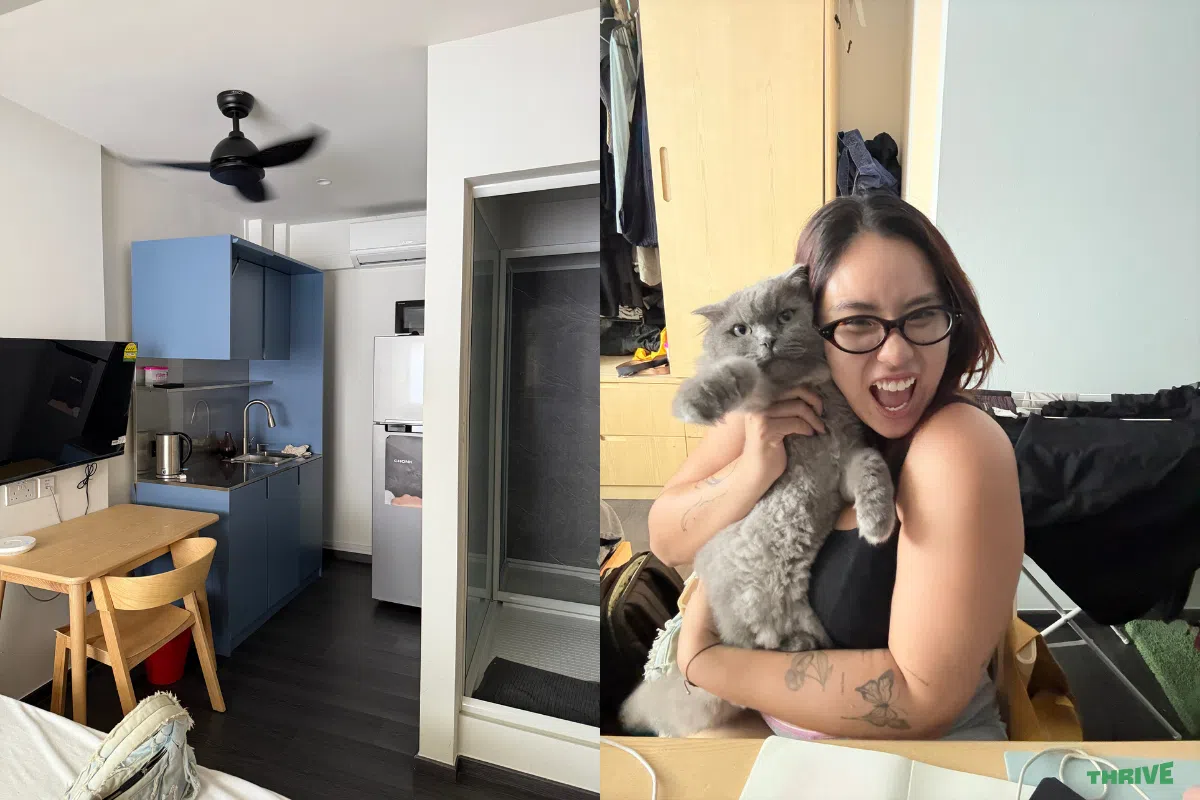
Still, moving back into her family home did not cross her mind. Instead, she was motivated to work harder to sustain her independence.
Today, Huang lives with her husband in her third rental apartment. After utilities and cleaning fees, the couple pays about S$3,300 a month, split equally.
“I think that helped a lot, because there are two of us now,” Huang says. “As a couple with double income and no kids, we have more budget to be able to pump in a bit more into rent.”
Even so, renting can feel heavier in some months. Now a freelance content creator, Huang’s income often fluctuates.
“Some months are great and some months are just not, so my rent can sometimes cost the entirety of my earnings for the month,” she adds.
Six years into renting, Huang’s priorities have also shifted. Huang used to travel quite frequently, but ever since settling into a home with her husband, the urge to travel isn’t as strong anymore. These days, she’d rather stay in and enjoy the house, she tells me.
Life transitions
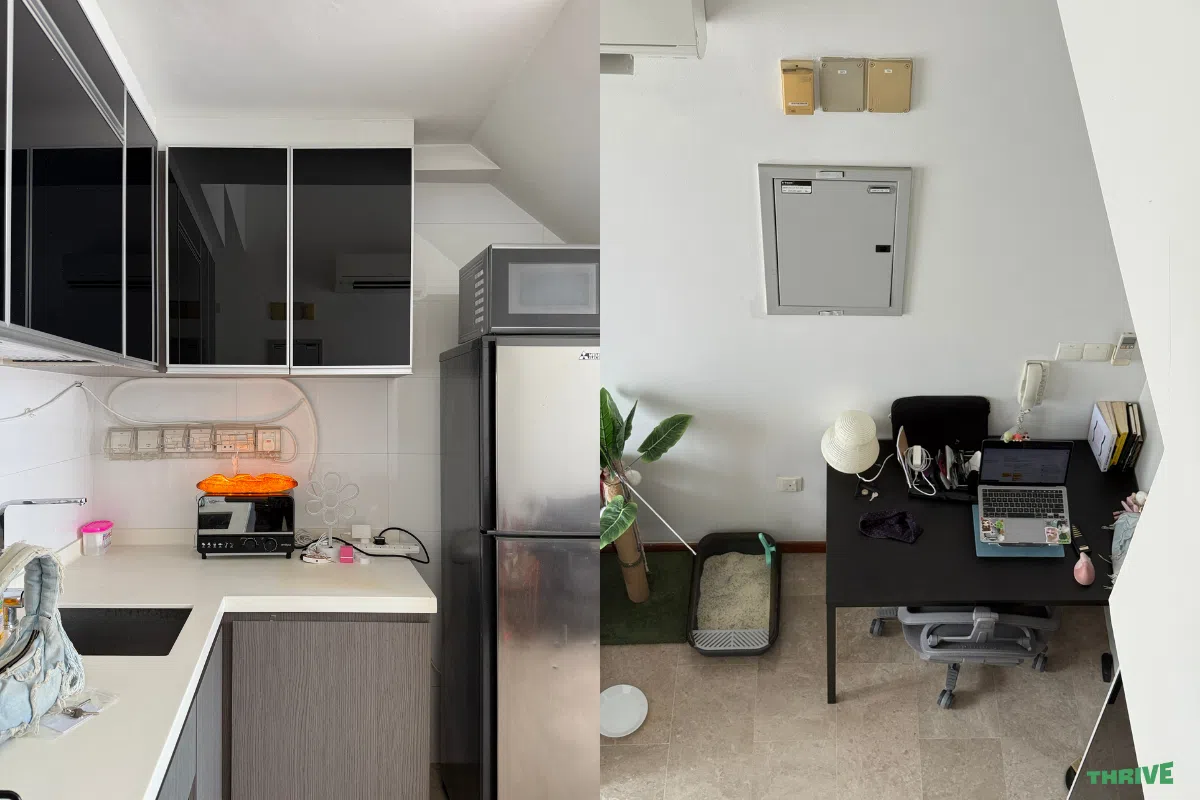
Finances aside, moving out of your family home may also require you to deal with unwanted visitors, which in Huang’s case meant cockroaches.
“I had to navigate a lot of different issues around the house. I had to do my laundry, I had to deal with cockroaches – l couldn’t go to my stepdad anymore,” Huang says.
For Sarah, it was only when she moved out of her family home that she realised the fridge didn’t restock itself, and toilet paper would eventually run out.
Purchasing household essentials was something Sarah barely had to think about when living with her parents. Now, she finds herself building new routines around grocery runs and household errands.
What the experts say
In Singapore, where living with your parents well into adulthood is both culturally and financially practical, paying thousands of dollars for a temporary roof may seem like a waste of money.
But Dawn Cher, author of Take Back Control of Your Money, tells me: “(If) the only consideration in this entire equation is money, then yes, renting can be viewed as wasted money, because you’re not putting it into an income-generating asset.”
“But in life, in a relationship and in a marriage, money is not the only consideration,” adds Cher, who also runs the popular personal finance blog, SG Budget Babe. Whether renting makes sense for young workers also depends on how much they earn and any other financial obligations they have.
Renting could still be a viable – or even responsible – option for couples who value independence or need personal space, provided they can afford it.
Cher says spending about 20 per cent of one’s pay on rent is reasonable, and up to 40 per cent may even be manageable for some. “But, I personally would not (go that high),” she adds.
Timothy Ho, co-founder and managing editor of finance publication DollarsAndSense recommends keeping rent below 25 per cent of one’s take-home pay.
There isn’t a fixed percentage that works for everyone, Ho adds. But he says it’s worth remembering that the lower you can keep your rental cost, the more you’ll have to spend on other priorities, including future house renovations, building an emergency fund or paying off student loans.
For those still on the fence about renting, Daphne Lye, senior lead of solutions, research and investment at financial advisory MoneyOwl, suggests starting by “paying yourself first”, which means setting aside at least 15 per cent of your income to supplement your savings or investments.
Then, assess whether what remains can comfortably cover rent and other expenses.
Those committed to renting should also set aside an additional one to two months’ worth of rent to cover the security deposit for their rental property, Lye adds.
The experts also agree that renting while waiting for a BTO flat to be completed is not inherently an irresponsible financial choice.
“Ultimately, renting before getting their own home can make sense if it improves their quality of life, gives them independence or helps them prepare for marriage,” Ho notes. “But it should not come at the expense of their longer-term financial stability.”
Decoding Asia newsletter: your guide to navigating Asia in a new global order. Sign up here to get Decoding Asia newsletter. Delivered to your inbox. Free.
Copyright SPH Media. All rights reserved.
TRENDING NOW

DBS, OCBC, UOB rout lops billions off STI as inflation, rate concerns spook investors

Grab CEO’s wife Chloe Tong on life with Anthony Tan and finding her purpose

OCBC sheds S$8 billion in value as shares close nearly 6% down; analysts cautious on banks

Deal between tycoon friends sparks scrutiny of Philippine power sector


