
Car sharing won't be as disruptive as self driving
 Add BT as a preferred source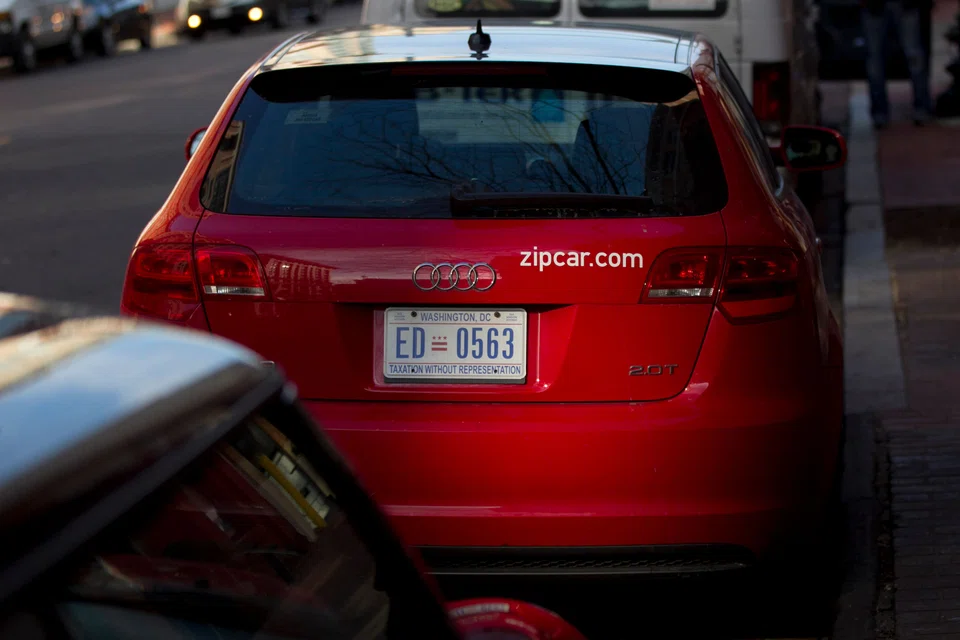
[DETROIT] The growth of car-sharing services will erode traditional manufacturers' vehicle sales and revenues through 2021, but will not be nearly as disruptive as the rise of self-driving cars later in the decade, a study forecasts.
The evolution of car-sharing services, such as those provided by Avis Budget Group's Zipcar and Daimler AG's Car2Go, could trim global vehicle sales by 550,000 in 2021 and cost manufacturers more than US$8 billion in lost revenue, according to a survey released on Tuesday by Boston Consulting Group.
But car sharing will have a far greater impact in Europe and the Asia-Pacific than in North America, the study predicts.
Automakers in North America are expected to lose about 52,000 sales a year to car-sharing customers in 2021, but that will be offset by sales of 44,000 vehicles a year to car-sharing fleets, for a net loss of only 8,000 vehicles at a cost of just over US$500 million, BCG researchers said.
In addition, US automakers such as Ford Motor Co and General Motors Co are investing in car-sharing services in several markets to supplement individual vehicle ownership.
In the longer run, according to the study, "autonomous vehicles will have a much greater impact on new-car sales than car-sharing will", but not until 2027.
Navigate Asia in
a new global order
Get the insights delivered to your inbox.
The study did not account for the short-term impact of ride-hailing services such as Uber and Lyft. But it noted that the arrival of self-driving vehicles in the late 2020s will trigger the convergence of car sharing and ride hailing.
Car sharing will not be "a true game changer", the study concluded, but self-driving cars "will change the game, erasing the distinction" between car-sharing and ride-hailing while providing users with "a significant edge in the total cost of ownership".
REUTERS
Share with us your feedback on BT's products and services

