

Changi Airport mulls adding new flights amid manpower constraints

Nisha Ramchandani
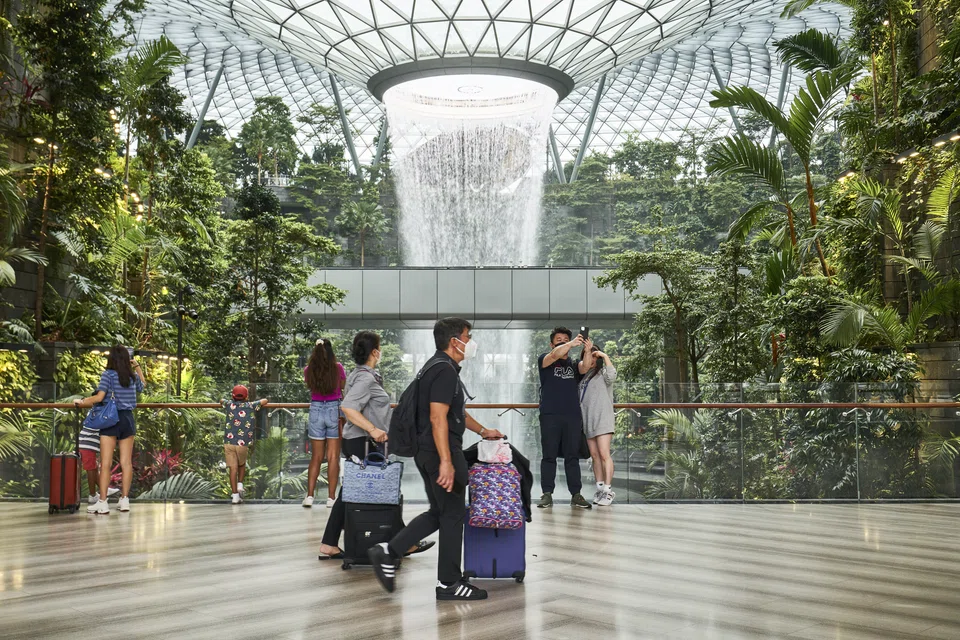
AMID an ongoing recovery in travel demand, approvals to mount some additional flights at Changi Airport in the coming weeks have yet to come through as ground-handlers grapple with a tight manpower situation.
This comes as the rebound in travel is boosting passenger load factors on existing flights, especially during peak periods.
The Business Times (BT) understands that there are concerns that additional flights, along with rising passenger loads, could lead to poorer passenger service, including delays in baggage collection. The airport has long been lauded as one of the best in the world, cementing that reputation on the back of its clockwork efficiency and a superior travel experience.
With border curbs being relaxed, travel-starved consumers are packing their bags for the upcoming long holiday weekend, which stretches until Tuesday (May 3).
According to a source, who declined to be named, approvals are only coming in progressively to launch additional flights in May, owing to the manpower situation and terminal constraints. Some applications for flights next week have yet to be approved, which makes it hard for airlines to plan, the source added. Terminal 2 - which is undergoing renovations - and Terminal 4 remain shut for now, with flights operating out of Terminals 1 and 3.
In response to queries from BT, a spokesperson for airport operator Changi Airport Group (CAG), said: "CAG is working very closely with its airport partners to smoothen operations on-ground across all touch points from check-in to airside operations as the aviation sector scales up its capacity to meet the increasing air travel demand and manage additional flights operated by airlines."
The spokesperson added: "For this coming long weekend, there will be retiming of a very small number of flights to spread the flights apart during the extremely high peak periods. No flights that were previously approved have been rescinded."
CAG went on to highlight that as airlines apply to launch more flights out of Changi, its aim is to "accommodate slot applications as much as possible, subject to timings" and airport partners having the resources to manage higher traffic so as to ensure a smooth airport experience.
Sats, the leading ground-handler at Changi Airport, did not respond to queries by press time.
Musdalifa Abdullah, managing director at ground-handler dnata Singapore, said: “We have had a number of vacancies across our operations. We aim to fill these vacancies with those highly-trained, former dnata employees, who meet our performance criteria but were displaced due to the significant impact of the pandemic on our business. To date, we’ve rehired more than half of our previously laid-off staff.” dnata is also working together with educational organisations to ensure a healthy talent pipeline.
Brendan Sobie, independent analyst at consultancy Sobie Aviation, said: “During the pandemic, many locals left the aviation industry for others, while many foreign workers went home and have yet to return. Recruitment is challenging as it takes time to find and train staff. New employees are inexperienced, which does not help efficiency.”
He went on to highlight that manpower is a major issue for the global aviation industry, particularly for ground-handling companies.
Airports in the United Kingdom faced snaking queues and flight cancellations over the busy Easter period on the back of a manpower crunch, according to reports. Down Under, Sydney Airport also experienced long queues and delays amid a staff shortage.
Other sectors in Singapore are struggling with manpower issues as well, such as food & beverage and hotels.
The recovery at Changi Airport is clearly underway but traffic is still a fraction of pre-pandemic travel. The Civil Aviation Authority of Singapore (CAAS) has said that Changi Airport is on track to restoring 50 per cent of its pre-Covid passenger volumes by this year.
Sobie expects Changi’s passenger traffic for April to clock about 30 per cent of 2019 levels, up from 20 per cent in March. Seat capacity is about 40 per cent of 2019 levels for the month of April, peaking at nearly 45 per cent this week, drawing from OAG data. The average load factor at Changi Airport this month has been about 60 per cent, 20 percentage points below pre-Covid levels.
For May, capacity is slated to reach nearly 50 per cent of 2019 levels, based on OAG schedule data, as some 200 weekly flights are poised to be added, assuming approvals come through, with most of these flights coming online this weekend. Budget carriers AirAsia and Scoot account for the lion’s share of additional flights.
At the Singapore Airlines (SIA) Group, passenger capacity stood at 55 per cent of pre-Covid levels as at end-March, and is expected to go up to 61 per cent in May.
A spokesperson for the group said: “The group gradually grew its capacity over the last 2 years on the back of its cargo business, and positioned itself for to be ready for the recovery of the passenger business.” As a result, it was the first to offer passenger flights to most destinations in its network when Singapore rolled out the Vaccinated Travel Lanes.
The group said that it will continue to adjust its capacity and services in response to travel demand.
TRENDING NOW

First Resources blames El Nino, outside fires for Kalimantan hotspots amid haze scrutiny

High Court rules against Julius Baer’s Singapore trust arm in US$50 million family trust dispute
Singapore key exports jump by higher-than-expected 68.4% in September, led by non-electronics

MSCI proposes downgrading Indonesia to standalone market status

