

Electric cars in Asean economies: a slow evolution

Mindy Tan
Singapore
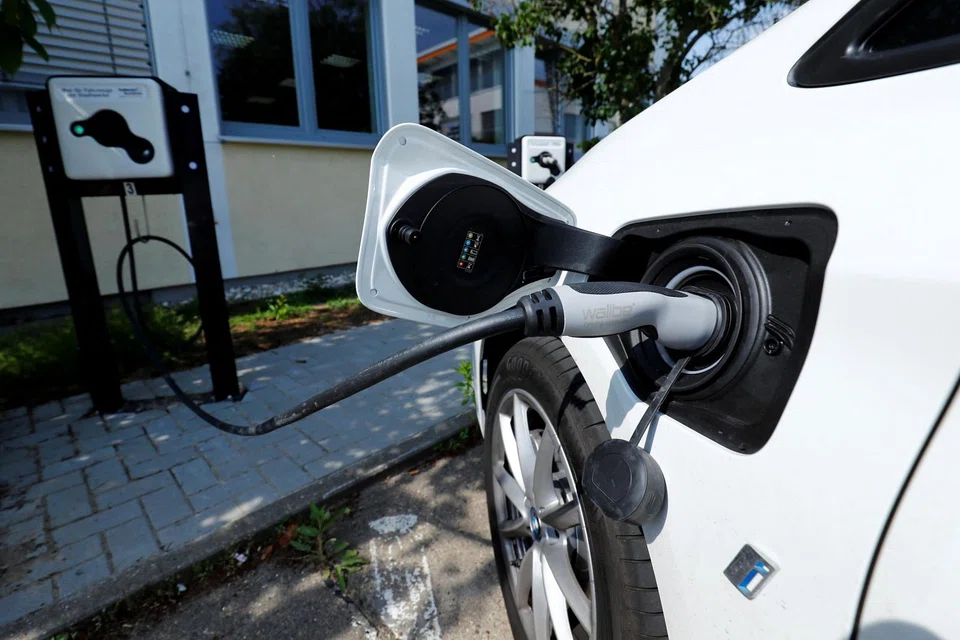
ELECTRIC vehicles will be one of Asean's largest growth segments in the next decade. But the evolution will be a slow one, and likely be led by commercial fleets, two-wheeled vehicles or a disrupter taking a new approach, unlike elsewhere where passenger vehicles pave the way.
Indeed, electric vehicles are expected to be a material market for regional economies with new sales of passenger electric vehicles to top US$6 billion by 2030, according to Bain & Company. Other profit opportunities include US$500 million in new charging infrastructure and billions invested in telematics, fleets and their management, and passenger services.
But while we have breached the first tipping point, where consumers are able to justify the increased purchase price with the benefit of lower fuel costs, the second tipping point, where purchase price parity is less stark, is still some years away. As such, sales of electric vehicles will likely only take off post-2025.
Bain has highlighted four prerequisites for electric vehicles to gain acceptance - a greater variety of available models, attractive purchase economics in terms of purchase price and cost of ownership, government incentives, and convenient charging infrastructure.
Currently, customers in Asean who are interested in electric vehicles are often encouraged to purchase hybrids due to a lack of options and a generally higher sticker price.
Dale Hardcastle, a partner in Bain & Company's automotive practice noted that while Singapore and Thailand are leading the pack in terms of adoption readiness, both countries' governments prefer to get passengers out of cars and onto public transportation.
Thailand is also looking more at incentivising domestic production and promoting traditional hybrids or plug-in hybrids as electric vehicles. Other countries in the region also worry about losing local manufacturing jobs and are reluctant to favour a "foreign-inspired industry disruption" over the local status quo.
Both these factors, in addition to high battery costs, limits interest in electric vehicles. According to Bain's analysis however, battery costs - the key component of electric vehicles - will drop by about 40 per cent between 2018 and 2025.
Despite these hurdles, commercial fleets can benefit. The 200 vehicles leased and managed by Grab, Hyundai and SP Group for instance allow drivers to earn around 10-20 per cent more per day than a driver leasing a typical combustion engine vehicle, even after accounting for higher rental rates and waiting time to charge.
The impetus could also come from two-wheeled vehicles. Asean is the world's largest motorcycle market and is expected to continue growing at 3 per cent through 2030. Indonesia and Vietnam are already considering options to promote electric scooters and bikes.
A third path forward might be through a disrupter who, instead of looking to create a luxury vehicle, designs a smaller car for cities. Such a disrupter could come from China or within Asean. Already, unconventional players such as Dyson in Singapore to Energy Absolute in Thailand are considering local production of electric vehicles.
Thomas Wendt, head of Bain's mobility practice in Silicon Valley, added that it is only by proactively bringing different players in the ecosystem together that the process can truly be accelerated.
Such partners could include oil and gas companies who can equip their gas stations with charging stations, ride hailing companies, automotive manufacturers, and more unconventional partners such as coffee companies.
"If you think about a typical gas station, you don't want to spend a half an hour just waiting for your vehicle to be charged. But if you remodel your gas station into a nice lounge with Wi-Fi, you can get a nice cup of coffee, have lounge seats, it's great to have a break or check your e-mails," said Mr Wendt.
TRENDING NOW

He built the Vingroup empire. Now South-east Asia’s richest man is handing some key roles to his sons

32 companies, 6 individuals bag accolades at Singapore Corporate Awards 2026
Can a first-time homebuyer couple earning S$18,000 a month afford a new EC unit?

Floods compound Philippine growth woes from public-works scandal

