Old is gold, as classic cars steer towards market value of US$35 billion
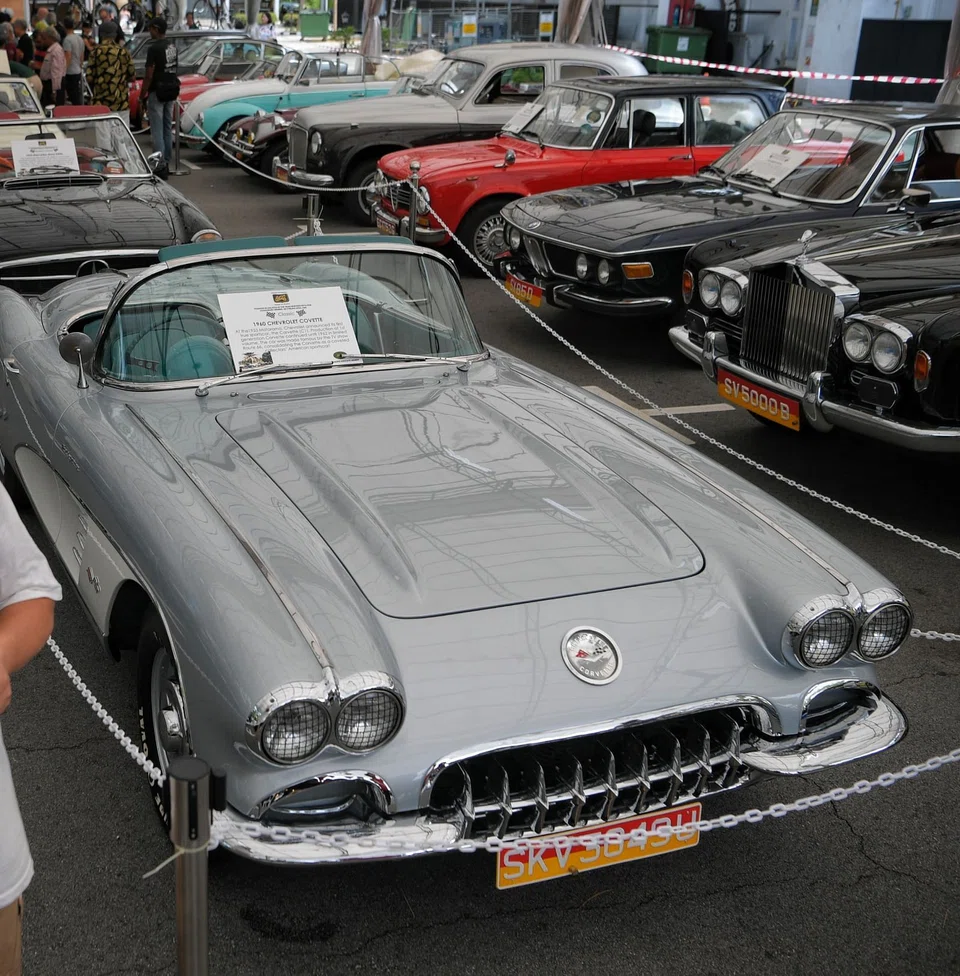
SHREEJIT Changaroth has an understanding wife who doesn't mind his spending time with an Escort. But that might be because it has four wheels instead of two legs (it's a 1979 Ford Escort Sport), and because Changaroth could be sitting on gold if it rises in value.
The Escort is part of a collection that includes a 1973 Alfa Romeo Giulia and, from the same year, a Volkswagen 1303S, affectionately known as the "Super Beetle" among fans of the classic VW bug. "Technically, they are all my son's," says the railway engineer and freelance motoring writer.
Like many classic car owners, Changaroth is cagey about how much money has gone into his collection.
"The numbers are highly, strictly confidential, and my son has made me swear that I will never reveal the figures," he says, chuckling. But there is some chance his trio of oldies will end up putting money in his pocket.
As an asset class, classic cars have outperformed more traditional investments over the last decade, rising in value by 193 per cent according to the Knight Frank Luxury Investment Index, and beating all other collectible items tracked by the index except for rare whiskeys.
Statista, a consumer and market data company, sees more growth ahead. Its researchers studied 65,000 classified advertisements to predict that the global classic car market will grow from US$24.5 billion in 2019 to around US$35.5 billion in 2023.
The rising prices raise a tantalising prospect for drivers in Singapore: While new cars depreciate the moment you drive them home from the dealership, could buying an appreciating classic be one way to drive a car for free?
Yes, but it isn't easy, according to Douglas Ng from NHL Group, which helps individual buyers in Singapore import their classics from overseas, either to register and drive or to store in its bonded and climate-controlled warehouse. He also runs NB Auto, the local distributor for Morgan, a maker of hand-built British cars that look retro but are modern under the skin.
"I think there are some people who brought in cars many years ago, and then if they sell today they would have made money because the prices have gone up, either locally or overseas," Ng says.
But importing a classic now that prices have risen is far riskier. Taxes and duties mean the car would have to more than double in value to turn a profit, because the minimum additional registration fee (a kind of upfront tax) is 100 per cent. The more valuable a classic, the more costly it is to import, and the harder it will be to break even when you eventually sell it.
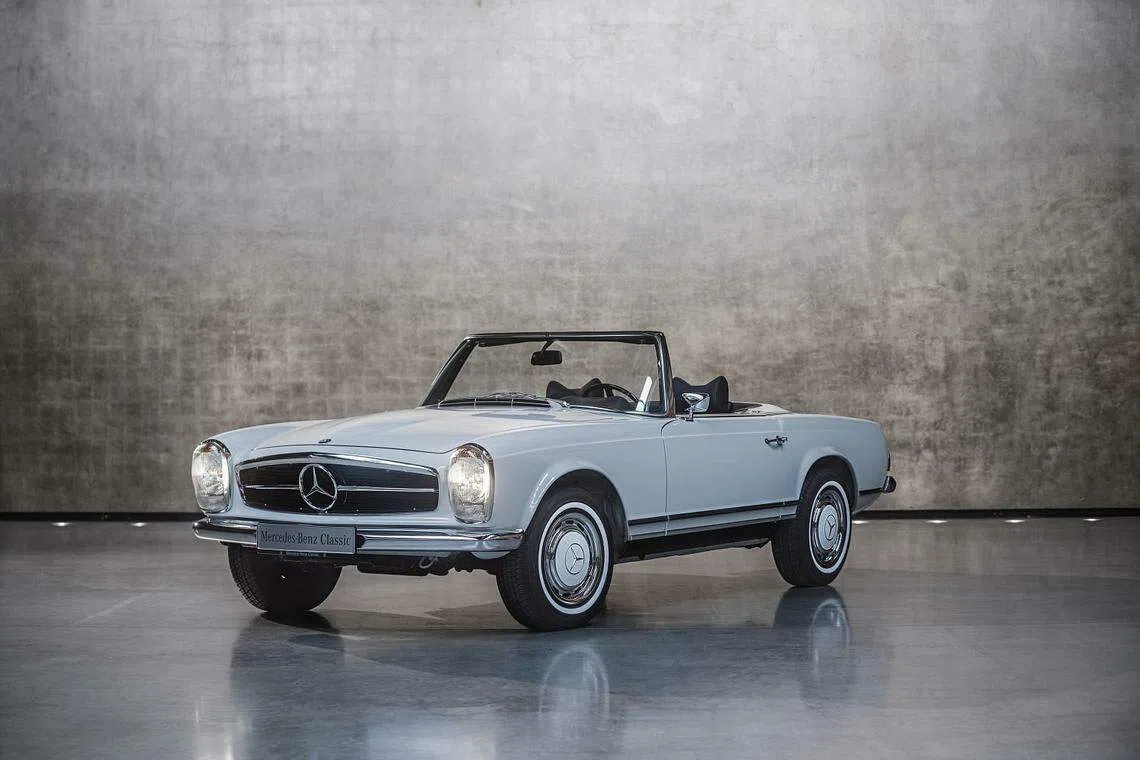
A prime example is the Mercedes-Benz SL series built from 1963 to 1971, affectionately nicknamed the "Pagoda" for its unusual detachable roof. In the UK, an SL in good condition fetches around £100,000 (S$184,000), which would be a windfall for someone who bought it 10 years ago, when such cars sold for around a fifth of the price.
But importing a Pagoda to drive in Singapore under the Classic Vehicle Scheme would mean paying around S$460,000 in customs duty, goods and services tax and additional registration fee, for a grand total of S$644,000.
Even then, cars registered under the Classic Vehicles Scheme can only be driven for up to 45 days a year here.
Hunting at the low end of the price range for cars known as "affordable classics" gives you better odds of finding a profitable deal, says Changaroth. "Frankly, with anything that costs more than £10,000, you're not going to make money," he says.
Changaroth recommends prowling the Malaysian market, where he feels there are many unloved old cars, although many are in poor condition.
A quick search on a used car classifieds website turned up a 1973 Volkswagen for sale at RM18,000 (S$5,841). At that price, registering it here as a classic would cost around S$24,000. Given that a similar car sells for around £8,000 in the UK, the Volkswagen would have a fighting chance of at least breaking even for the owner if Beetles rise in value over the next decade. "You really need to know what you're doing," says Changaroth.
NB Auto's Ng says that trying to find a classic car that will appreciate enough to offset its purchase price is down to knowing the market well.
"Air-cooled Porsche 911s command a premium here in Singapore. A lot of people are looking for good, pristine examples, those that are unmolested and original," he says. "There's also a big following for classic BMW models. A more affordable one would be the 2002. That's a very cute little car, but it's really a driver's car."
As with any asset class, sniffing out a profitable deal often means getting in on a good thing early, and finding a car that is now unloved but will someday become a celebrated model.
"Whether you can drive a car for free, I don't think so, unless you spot a sleeper kind of car whose value has not really risen over the past few years, and then suddenly there's a big demand," Ng says.
In a research report published early this year, LGT, a privately-held investment bank, advises clients to look for classics with a few key attributes. Promising investments are cars built in small numbers from pedigreed brands, and preferably ones that offered a technological breakthrough when new or otherwise advanced the car industry in some way. If a given car has enjoyed motorsports success, that tends to add value as well.
Yet, even the experts get it wrong. Hagerty, an insurer that specialises in classic and collectible cars, recommended "analogue" Ferraris from the 1990s as safe investments in 2020. All of them have appreciated except for the 360 Modena - the one model that made it onto its list of Bull Market picks.
Beyond the profit potential, Changaroth cautions that driving a classic car is not for everyone. To most people, modern cars with power steering and climate control are much nicer to live with, he reckons. "I go for cars that are easy to drive and you know, easy to park and not an effort," he says.
NB Auto's Ng shares that sentiment. "You must be able to live with a classic car, knowing that it will definitely break down one day," he says. "So you have to get yourself acquainted with a workshop that is good with these kinds of cars."
Treasure hunting skills are essential, too. "We have to buy all the parts ourselves, because if we leave it to the workshop they will not know where to go," Changaroth says. "But that is half the fun."
Perhaps the real value in a classic car comes from the joy it brings to its owner. "There is always that small group of punters who would like to make a bonus from their car when they sell it, but at the end of the day, I think most of the people who are looking to buy classic cars ultimately want to own a piece of art," says Ng.
The bottom line is that to find an appreciating classic, you need to have an appreciation for them in the first place. It doesn't hurt to have an understanding wife, either.
Hooked on classics
If you fancy driving a piece of motoring history, the good news is you can import it under the Classic Vehicle Scheme, as long as the car is at least 35 years old from its original registration date. The bad news is, there are duties and taxes involved. Cars brought in under the scheme attract 20 per cent excise duty on both the cost of the car and the freight charges involved in transporting it over.
Then comes a nominal S$220 registration fee, but things get salty with the additional registration fee, which is 100 per cent of the first S$20,000 of the car's value, 140 per cent of the next S$30,000 and a whopping 180 per cent of anything above S$50,000.
The annual vehicle licence is a flat S$280 a year, no matter how large the car's engine is.
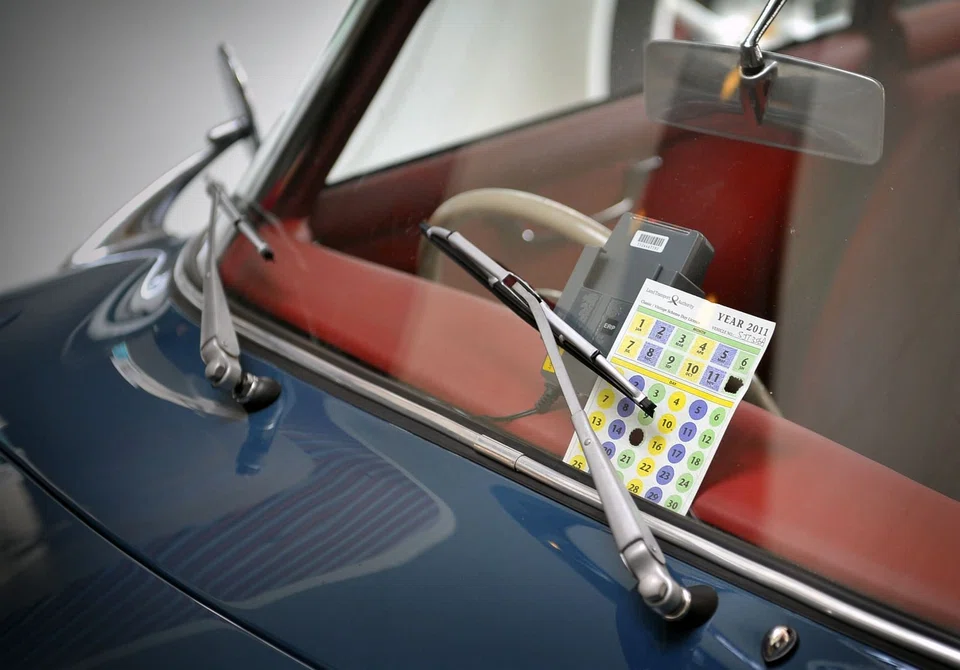
Classic cars do need a certificate of entitlement (COE), but owners only have to pay 10 per cent of the three-month moving average premium for the relevant COE category. That comes with strings: Cars on classic plates can only venture out with a valid day licence. Owners get 28 of these for free every year, but can buy up to 17 more at S$20 apiece. This limits a classic car to just 45 days of use in a given year, which makes owning one as a substitute to a normal car impractical. Owning several of them is a different matter altogether.
READ MORE: