Scoot and Tigerair en route to further collaboration
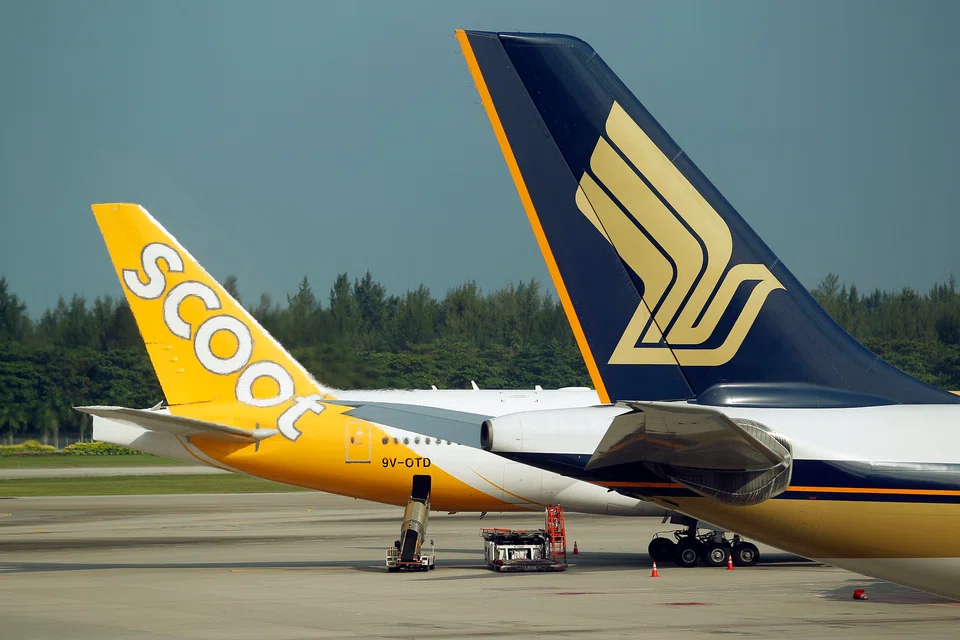
The number of passengers connecting between flights of Scoot, a subsidiary of Singapore Airlines, and Tiger Airways Holdings has doubled since both budget carriers were granted anti-trust immunity by the Competition Commission of Singapore in August last year.
Scoot is a medium- to long-haul budget carrier while Tigerair mainly operates short-haul flights.
But They are en route to further collaboration, Scoot and Tigerair said on Wednesday.
Since January this year, both carriers have been offering two routes flown in parallel - Singapore to Hong Kong and Bangkok - to offer more schedule choices.
From February, Scoot will increase the frequency of its Singapore-Perth route and offer daily flights, as Tigerair redeploys aircraft to other markets. Both carriers are also working towards allowing the seamless booking of each other's flights on their respective websites.
Other areas of partnership being explored include common ground handling, procurement and service centres.
Scoot's CEO, Campbell Wilson, said: "Though some initiatives will take more time, it's great to see significant early benefits such as the rise in connecting passenger volumes," he said.
"The upcoming rollout of joint-venture routes, deeper system integration and schedule coordination will further strengthen both partners and, most importantly, provide greater convenience and flight options to our guests," Tiger Airways' group CEO, Lee Lik Hsin said.
On Wednesday, shares of Singapore Airlines and Tiger Airways closed at S$12.46 and S$0.26, respectively.
Share with us your feedback on BT's products and services