

The legacy of the sinking of the Sewol
A host of regulatory changes have been made since tragedy happened a year ago
 Add BT as a preferred source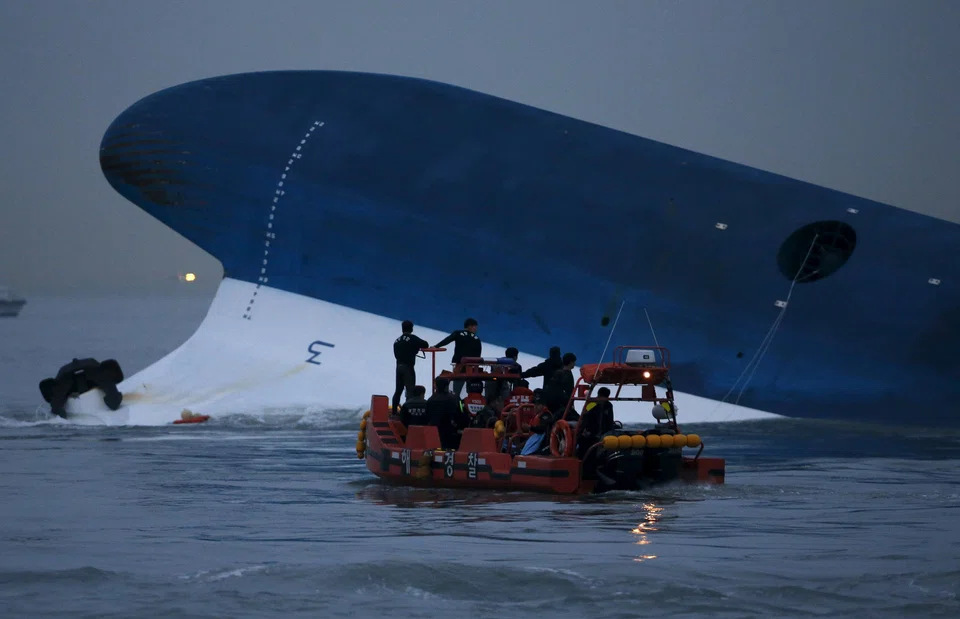
DeeperDive is a beta AI feature. Refer to full articles for the facts.
Jeju, South Korea
AT THE windy port here on South Korea's most famous resort island, stevedores prepared a ferry for its four-and-a-half-hour journey to Mokpo in the country's southwest, chains clanking as they lashed trucks to the damp cargo deck. As truck drivers hauling cows, radishes and aluminium window frames inched their way to the front of the line, they did something they had never done before last year: they handed in paperwork certifying the weight of their cargo.
That simple safety step - an attempt to avoid dangerous overloading - is one of a host of regulatory changes made since the sinking of the Sewol ferry, one of South Korea's most traumatic peacetime disasters.
Share with us your feedback on BT's products and services
TRENDING NOW

Ministry of Home Affairs Permanent Secretary Pang Kin Keong to retire

Shelving S$5 billion office redevelopment plan proved ‘wise’ as geopolitical risks mount: OCBC chairman

Richard Eu on how core values, customers keep Singapore’s TCM chain Eu Yan Sang relevant

China pips the US if Asean is forced to choose, but analysts warn against reading it like a sports result

