

Boosting local investments
THIS WEEK'S TOPIC: Do you think special purpose acquisition companies (SPACs) will give a fillip to Singapore's equity market?
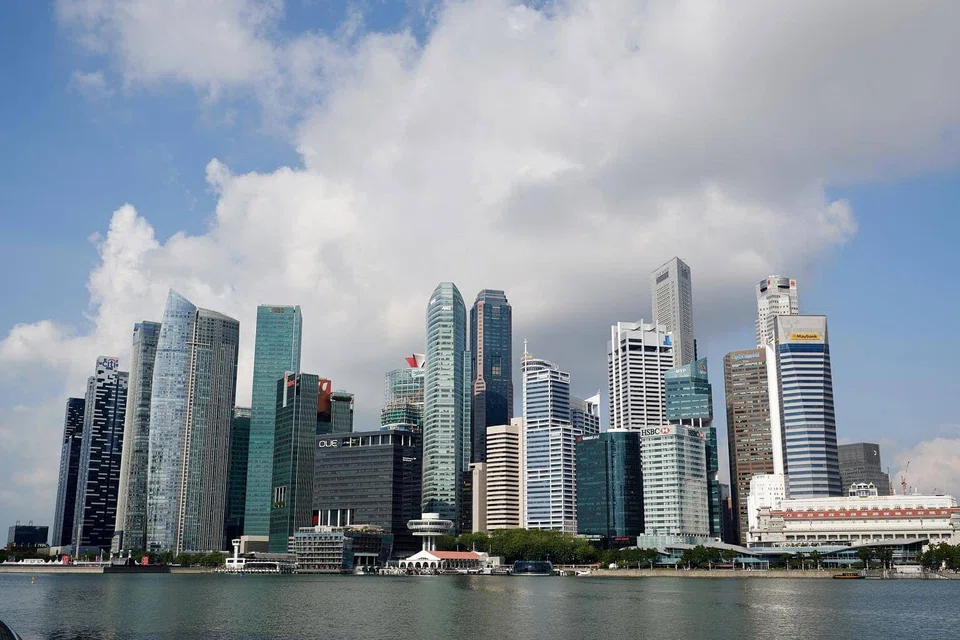

THIS WEEK'S TOPIC: Do you think special purpose acquisition companies (SPACs) will give a fillip to Singapore's equity market?
Lawrence Loh Director, Centre for Governance and Sustainability NUS Business School Singapore's equity market has to be progressive to stay viable in the new global setting of increasing sophistication in the investment space. Stock exchanges, in particular, cannot continue to be one-trick ponies in sticking to regular equities sourced through the traditional initial public offering (IPO) route. With the necessary safeguards, SPACs will add to the breadth and depth of investment options for Singapore's equity market to stay relevant in a changing world. SPACs carry risks for all stakeholders and this can be addressed by adequate regulations and provisions. The adage is most true: nothing ventured, nothing gained. The greatest risk is to do nothing. The last thing we want is to let the world go by.
Cheung Pui Yuen Chief Executive Officer Deloitte Singapore For SPACs, quality comes before quantity, and we observed that the first 3 Singapore Exchange (SGX)-listed SPACs are high-quality sponsors with proven track records. SGX's SPAC market is gaining traction, judging from the high over-subscription rate thus far. The first few SPACs have demonstrated commitment by having 100 per cent of the gross IPO proceeds in escrow, pending a successful de-SPAC. It will boost market confidence if they perform well, dependent on how soon they find a target and their performance after the de-SPAC. Bringing in quality targets on a timely basis is key to the development of Singapore's SPACs scene and will boost the equity market.
David Kuo Co-Founder The Smart Investor The litmus test for Singapore's experiment with SPACs is whether private investors will be able to make money. The worry is that SPACs might be lucrative for sponsors and profitable for owners of the company being acquired, but it could be less attractive for private investors. Let us not forget what a SPAC is: It is a way for a private company to be acquired and listed on a stock market through a reverse merger with an existing listed company. The question is whether there are enough good quality fledgling companies that deserve to be listed. We cannot make a silk purse out of a sow's ear, even with the promise of a SPAC.
Ong Pang Thye Managing Partner, Singapore KPMG Singapore is attempting to build a network effect with SPACs. The bet laid is that SPACs here, backed by quality sponsors, will prove attractive enough to draw strong targets like high-tech, high-growth companies to list via this route. Recent SPAC listings have traded favourably, showing strong market sentiment. These SPACs are each backed by a strong investor PIPE (private investment in public equity), coupled with experienced sponsors from local and international large private equity funds. This strong pipeline of deal flows with good valuation will gain better market traction and support. If Singapore keeps up this momentum with successful de-SPACs and post-IPO share price performance, SPACs, as a new market segment, will certainly elevate the local equity market - boosting liquidity and valuations, and presenting positive ripple effects for traditional listing routes.
Max Loh Managing Partner, Singapore and Brunei Ernst & Young LLP SPACs will invariably boost Singapore's equity market in that it provides companies an alternative capital raising route alongside traditional IPOs, while affording investors more options and choices previously unavailable. The SGX framework is focused on securing calibre sponsors with established track records, putting in appropriate guard rails and aligning the interests of all stakeholders to procure the best chances of success in developing SPACs. Singapore has all the right ingredients to be a SPAC hub. Ultimately, it is the quality and prospects of the target companies, ability to seamlessly execute the de-SPAC, appropriate pricing, and the post-de-SPAC market and price performance of the companies, which ensures that the SPAC market takes off sustainably. The interest in SPACs will be here to stay - how it remains relevant and vibrant depends on how the entire ecosystem embraces it and makes it a success.
Jeffery Tan Group General Counsel and Chief Sustainability Officer Jardine Cycle & Carriage There are a few key elements that will ensure the success of SPACs in Singapore: This ranges from the creation of a SPAC market that attracts quality sponsors, specific business sectors and having listing standards that engender investor confidence and trust. Part of the challenge for SPACs is identifying investment targets within the relatively short timeframe stipulated by the regulations.
That said, SGX has succeeded in developing and growing a real estate investment trust (Reit) market from scratch. In the same vein, it can certainly have the same degree of success with a focused, targeted approach that seeks to educate investors, build a steady pipeline of SPACs and distinguish itself as the premier go-to market for global SPACs investment.
Chuin Ting Weber CEO and CIO MoneyOwl SPACS are a form of "regulatory engineering" that some have compared to a quick Las Vegas marriage. Currently, SPACS mainly benefit target company founders, early investors looking for an exit windfall, and banks doing the deals. But for public investors, US SPACs have generally done worse than traditional IPOs. The recent tech rout in the US was brutal for SPACs, demonstrating not the problem with the SPAC structure as such, but the fragility of their target businesses, which have almost invariably been pre-profit, even pre-revenue, cash-burning startup firms. Like Las Vegas marriages, the longevity of innovative, shortcut structures like SPACs will ultimately depend on who and what goes into them. For investors, as always, it is caveat emptor.
Ong Yu-En Head of Singapore Norton Rose Fulbright (Asia) LLP The ingredients are in place for SPACs to cook up a storm in Singapore. The market is well positioned to benefit from these developments, and the SGX's rules will ensure that only high-quality sponsors are able to list SPACs on the exchange. If the targets for the first few listings are of high quality, the price of subsequent SPACs could skyrocket. This will then attract greater investor interest in SPACs and Singapore's equity market, especially if the targets are in South-east Asia, where international investors have less exposure. However, investors should remain patient as the process of finding the right targets will take time.
Eng-Kwok Seat Moey Group Head of Capital Markets DBS Bank With South-east Asia driving a thriving startup ecosystem, we believe Singapore is well placed infrastructurally and geographically to replicate its success with Reits and establish SGX as a leading hub for the region's SPAC listings. SPACs are increasingly accepted by many investors as an alternate platform to gain access to high-growth start-ups which have traditionally sought growth funding through private equity markets. And with several Singaporean and regional companies in high-growth, high-tech sectors becoming ripe for listing in the coming years, we are optimistic that this will provide a robust pipeline of business combination targets for SPACs listed in Singapore for the years to come.
Ho Cheun-Hon Head of South-east Asia Equity Capital Markets Credit Suisse Although it is still early days for the SGX SPAC market, we are encouraged by what we have observed in the first vintage of SGX SPACs: 1) sponsors putting more skin in the game beyond the minimum regulatory requirements and demonstrating greater alignment with minority public investors; 2) differentiated SPAC investment strategies covering new economy and growth sectors; and 3) healthy interest across the investor spectrum from international institutional fund managers to private investors, including family offices and retail investors. All these factors enhance the likelihood of eventual business combinations (de-SPACs) resulting in high-quality listed companies in interesting sectors with broad-based public shareholding and the ability to deliver returns to stakeholders subsequent to the de-SPAC. This, ultimately, will be the litmus test in how SPACs contribute to creating a more vibrant, attractive equity market in Singapore.
Callum Laing Chief Executive Officer MBH Corporation PLC SPACs, like any other financial tool, can be used for good and ill. Unfortunately, like many financial tools, they have been used to excess - a shortcut way to provide liquidity for early investors in projects that arguably are not ready for the public markets. I am all in favour of anything that eases the way to, and creates more, liquidity in business, but this is definitely a case of "buyer beware". After last year's SPAC euphoria in the US, the results have mostly left investors nursing their losses. As the SPAC window shuts, you will see more and more deals presented that do not stand up to scrutiny. SPACs may attract headlines, but fundamentals transcend fashion.
Maren Schweizer Chief Executive Officer Schweizer World Group Singapore is well positioned to build a healthy SPACs market by establishing SGX SPACs as a reputable investment vehicle. First, the Asean deal merger pipeline is robust in the fintech, tech, and consumer sectors. Second, a cautious approach with state-linked cornerstone investors and a small number of SPACs in relation to deal targets in the region. Third, a high amount of unspent committed capital, or "dry powder", is held by private equity. Singapore is a wealth hub for a significant number of family offices, high-net-worth individuals, and funds - all potential investors for SPACs as PIPE investors. Lastly, Singapore is stable, pro-business, and can be considered a neutral SPAC listing destination for technology plays given geopolitical tensions between China and the US. Some successful SPACs could lead to more global funds playing an active role in public equity markets in Singapore.
Luke Lim Managing Director Phillip Securities Pte Ltd A vibrant IPO market ignites excitement and optimism in the stock market. Let us take advantage of Singapore as the first mover in SPACs in Asia. For SPACs to succeed, SPAC issuers must continuously reach out to the retail investor community. We have seen, in the second half of 2020, the exuberance and the animal spirit retail investors can bring. I would advocate a larger tranche for retail investors in subsequent high-quality SPAC issues, so that they can participate and add SPACs to their investing portfolio for greater resilience.
Ashvin Murthy Chief Investment Officer AVM Capital For Singapore to do well in this space, we need to ensure the terms of our SPACs protect the interests of the public and do not overly favour the sponsors and IPO investors. This will make sure all interests are aligned, and increase the chances of our listings doing well after the acquisition is announced. While it may be tempting to take a light-touch approach in regulating these vehicles to increase deal flow, I believe we should differentiate ourselves by putting in place a top-in-class regulatory framework, setting a high bar for SPAC listings. A few successful listings can put SGX on the radar for international investors, earning Singapore the reputation as a trusted jurisdiction for raising capital via SPACs and giving investors confidence that only companies with strong potential are listing on the SGX.
Asheesh Chanda CEO and Founder Kristal.AI SPACs are an increasingly important way for startups to smoothen the listing process and increase efficiency around it. Singapore's equity market can benefit a lot with the launch of SPACs as it brings liquidity to thousands of startups much earlier in their entrepreneurial life cycle. Also, it enables investors to access high-growth and innovative companies with much ease and at an earlier stage. As more and more US companies look eastward to Asia for business and technology targets, Singapore should seize this opportunity to reinforce itself as Asia's financial hub, and SPACs serve as a key factor. We will succeed thanks to the Monetary Authority of Singapore's forward-looking approach, robust regulatory framework and political stability.
Lex Lee Chief Corporate Officer TOP International Holding SPACs in Singapore seem to benefit investors from being able to access multiple high-growth businesses that are governed by SGX's listing requirements. There will definitely be short-term excitement especially as curious investors check them out. In the long run, whether SPAC as a concept will work in Singapore and globally, will depend on their subsequent track records. Of the 3 listed SPACs in Singapore, only Temasek-backed Vertex Ventures is trading above its IPO price. There could be various factors, one of which being that investors are playing it safe and going along with the more established backer.
Sanjeev Kumar Senior Country Manager, Singapore and Head of South-east and South Asia Natixis Corporate & Investment Banking Before the SGX (and now Hong Kong Stock Exchange) allowed SPAC entities to list, the only real/viable option was for these companies to consider the US market, which has in recent times become extremely overcrowded. This bodes well for SGX SPACs backed by regional sponsors, or for those with a regional target acquisition mandate, as it means they will be able to access SPACs/targets closer to their home markets, with potentially greater understanding, and within the same time zone. As we have already seen, there is a significant pipeline of regional companies waiting in the wings to take advantage of the SPAC structure, and the SGX, through its consultation paper, has been careful to ensure the structures are beneficial to companies, investors and the Singapore capital market.
Joanne Wong Vice-President, International Markets LogRhythm Singapore's latest move to welcome SPAC listings holds much promise for not just the country's equity capital market, but its tech sector as well. The country's status as a regional tech hub was built on the foundation of a strong legal framework, a healthy pool of digitally-skilled professionals, as well as favourable incentives from authorities such as the Economic Development Board. In fact, these were the main factors behind LogRhythm's decision to locate its Asia-Pacific headquarters in Singapore. With SGX's niche SPAC offerings, Singapore now becomes more favourable as a hub for ambitious technology startups, offering entrepreneurs an additional avenue to garner funding. This comes at a crucial juncture - the pandemic has catalysed the need for digital innovation, and competition in the tech startup space is steeper than ever.
Gerald Woon Director Cogent Yes. As Singapore positions itself as a hub for SPACs, its equity market could receive a boost, especially with more global funds taking an interest. However, more education will be needed to build up Singapore investors' understanding of this relatively new asset class and its risks. Singapore, with its reputation for good corporate governance, will just have to work through these SPAC-related issues as they come and adjust its regulatory framework as needed. Aside from that, looking at the bigger picture, more SPACs successfully listing in Singapore could potentially help to fuel a sustained South-east Asian startup boom.
Eng Thiam Choon Chief Executive Officer Tiger Brokers Singapore
The inclusion of SPACs on SGX gives investors a fresh perspective on Singapore's equity market, well-known to investors for having stable, dividend-yielding companies. The listing of SPACs will broaden the local equity market offerings and address the component of growth opportunities that many are currently seeking from overseas equity markets. Allowing investors to invest in companies that may become "unicorns" in the future will further enhance the investment options for investors within Singapore's equity market.
David Jacob Chief Executive Officer Marsh Asia SPACs could lead to more investors playing an active role in the equity market in Singapore, backed by the strong pipeline of South-east Asian tech startups. The real test will come when the merger targets have to be sealed within 2 years, and the outcome of returns from de-SPAC transactions will be key to keep the momentum. With competing financial hubs like Hong Kong and the United States, Singapore needs to ramp up effort in attracting quality sponsors and maintaining overall listing standards.
Chua Kee Lock Chairman Vertex Technology Acquisition Corporation The investor appetite in Asia for SPACs is strong. Vertex's SPAC, Vertex Technology Acquisition Corporation (VTAC), is Singapore's first and had received strong retail and institutional demand during its IPO. Given the diversity of high-growth technology companies in the region and beyond, we believe there is tremendous potential for Singapore SPACs to reach de-SPAC stage, further enhancing the vibrancy of the local bourse. In achieving a successful business combination, a SPAC sponsor's global network of outstanding portfolio companies and deep local expertise will be advantageous. It is important for the sponsor to align its interest to the long-term success of the SPAC after de-SPAC. The track record of the sponsor will also be crucial in ensuring the target company scales successfully and delivers attractive returns for SPAC investors.
Gail Ong Head of Equity Capital Markets Practice WongPartnership LLP There has been tremendous interest from both Singapore and international sponsors in establishing a SPAC for listing on the SGX. They are attracted to the opportunity to establish a SPAC in a leading Asian stock exchange under a framework which provides a balance of flexibility and accountability. Within a short span of a few months, 3 SPACs have already been listed on the SGX. I expect more to list this year, with more sponsor diversity, and targeting business combinations in a wider range of sectors. These listings, together with potential de-SPACs, are definitely positive developments for the Singapore stock market.
Ashish Rai Group MD, Apac and Mea, Capital Markets FIS The SGX rules should provide a boost for the Singapore market while maintaining corporate governance standards and improving investor protection. Support by the state fund further strengthens the perception that Singapore is a viable location to list a SPAC, and can persuade fast-growth tech companies and unicorns to list. However, whether there is a place for the long-term development of this market, remains to be seen. There are a number of complexities in a SPAC deal (life cycle management, due diligence, valuation, et cetera) that investors need to take into consideration before they bear exposure. Investor appetite has dried up in the US, and investors here tend to be more risk-averse, which is an added challenge.
Helen Ng Chief Executive Officer Lock+Store Despite its success with Reits, SGX has struggled to attract blockbuster tech companies to list on the Singapore Exchange. By opening up to SPACs, SGX hopes to draw more tech companies here. However, the fundamental lack of depth and liquidity has put off tech companies, and that makes US capital markets far more compelling.
Michael Kwan Associate Director Resource Law LLC Allowing SPACs to be listed on SGX has definitely caused a buzz in the market and created an opportunity for SGX to attract tech unicorns to list in Singapore. But it is still early to tell whether SPACs listing per se will rejuvenate our equity market, given that the real action only begins when the SPACs announce their de-SPAC targets; they have up to 2 years to identify and complete the business combination. As the de-SPAC is essentially a listing for the de-SPAC target, it would consider various listing factors such as liquidity, ongoing costs, market's familiarity of its business, and investment and analyst community expertise, before deciding whether to go public via a Singapore SPAC. Given the grants and funding initiatives from the Singapore government to attract listing aspirants, I am hopeful that the SPAC wave will revitalise the domestic equity market.
Chia Tek Yew Vice-Chairman, Singapore Oliver Wyman The introduction of SPACs by SGX is only one of many initiatives taken to reinvigorate the local market. Other initiatives include those aimed at incentivising firms in "high-growth" or "new technology" sectors to list on SGX instead of other bourses. While merging or integrating with a SGX-listed SPAC appears an easy and speedy route, I would expect founders/investors to also consider other factors such as valuations and post-listing volumes. Hence I do not believe that SPACs would be the "silver bullet" to create new excitement in the local market; instead, Singapore should also develop ideas on how to direct more liquidity into the local market so that a SGX listing becomes attractive, with or without SPACs, grants and government funds for pre-IPO activities. One consideration may be to encourage pension funds (notably CPF Board) to invest our collective retirement funds back into the local capital market, as opposed to a single asset class of Singapore government bonds. This may provide the fillip to the market as the liquidity injection will create the demand for existing stocks, as well as attract asupply of new IPOs.
Chia Ngiang Hong President Real Estate Developers' Association of Singapore (Redas) The immediate impact of SPACs on Singapore's equity market should not be overstated given the natural hesitation of prospective investors towards a new asset class. A decline in popularity of SPACs in the US due to enhanced regulatory scrutiny, concerns of over-valuation and poor financial returns may exacerbate this caution. But strong state backing in the form of Temasek-linked entities may generate greater investors' confidence and have a positive knock-on effect in attracting more global funds to Singapore. Furthermore, Singapore's position as a financial hub as well as being the first in Asia to promote SPACs will be highly advantageous, given the tech boom in South-east Asia, in enticing more tech startups to look to Singapore for a facilitative financing process. The regulatory overhaul which has enabled the entry of SPACs into Singapore will not be a magic bullet, but given sufficient safeguards to avoid the pitfalls that have plagued the US SPAC market, Singapore's equity market will likely be significantly revitalised.
Peta Latimer Chief Executive Officer Mercer Singapore The excitement over SPACs may boost the new asset class and inject some needed energy into Singapore's equity markets in the short term, but whether that lasts over the longer term partly depends on the quality of investments and track record of the sponsors. One of the major concerns with SPACs is that investors can only rely on the capabilities and track record of the SPAC sponsor. For Singapore to emulate the success that the US has had with fundraising through SPACs, it must be able to attract high-quality and experienced sponsors like well-established private equity managers or former senior management teams of large multinational corporations.
Ang Shih-Huei CEO and Co-Founder Klareco Communications 2022 started strong with the inauguration of SPACs on our local bourse and the listing of 3 SPACs in quick succession. While this pace of SPAC listings may not continue, we remain optimistic that SPACs are an attractive platform to lure promising, high-growth technology companies here. Having worked closely with the first few SPACs, Klareco is confident that with high-quality sponsors and compelling investment cases, the Singapore capital market will soon be abuzz with exciting growth companies. However, there is still much room to grow, and investor education on this new asset class is necessary to build understanding about the full potential of SPACs.
Lars Voedisch Managing Director PRecious Communications The continuous influx of capital amid a pandemic is a testament to Singapore's position as a leading financial and investment hub. Given growth expectations and favourable policies, Singapore can potentially be a hotbed for SPACs - and the 3 SPAC listings on SGX are fuelling further excitement for investors and startups. As we navigate a new frontier in Singapore's financial market, it is necessary to erase scepticism to win over analysts, investors and other stakeholders. Information-sharing grounded on a deep understanding of local communications, investor relations and financial nuances can support the rise of SPACs and reinvigorate Singapore's equities market.
Toby Koh Group MD Ademco Security Group SPACs will undoubtedly increase the fundraising activities on the SGX. Singapore is a key springboard into the Asean region, if not Asia-Pacific, and has a vibrant startup ecosystem. The strong legal framework here, alongside our focus as a financial and wealth management centre, makes Singapore an ideal base for SPACs. Large local Asean conglomerates may well be a key target for SPACs listed here. What is more of an uncertainty is the potential quality of deal flow that they can harness. Investors can be fickle if performance is tepid.
Jolin Nguyen Chief Executive Officer AYP Group The inclusion of SPACs in the Singapore market is seen by the investing community and corporates as a welcome move, as it will help spur the progress of IPOsinject excitement into the market. This move complements the progress of South-east Asia as a startup boom for investors, and will provide SPACs with an opportunity to show their worth in determining the next big businesses of tomorrow. This opportunity, however, is not a free pass, and SPACs should be held to the same scrutiny to mitigate financial risks to investors.
David Leong Managing Director PeopleWorldwide Consulting Pte Ltd The equity market is unlikely to leap because of a financial structure. SPACs may not provide the fillip to stir the market significantly. The fundamental issues surrounding the lacklustre Singapore's equity market remain fairly the same. Big-names investors and market makers are not invested in the local market, and the pool size of these players is too small in Singapore's equity space. SPACs are financial vehicles that start fundraising without a story, so they have to be raised by prominent and known entities with proven track records. As of now, the critical mass of these known entities is inadequate to stimulate great market interest, momentum and velocity. SPAC structures provide investors with a way to invest with big names instead of investing in businesses with persuasive narratives. Nothing more, and the investment risks will not simply disappear by investing with big names.
Lim Soon Hock Managing Director PLAN-B ICAG Given the intense competition that SGX faces in becoming a preferred exchange not only in the region but globally as well, it has nothing to lose but more to gain by offering SPACs as another listing alternative, and for investors to put money in promising companies, especially those from the tech and fintech sectors. Although there are risks, SGX has introduced measures to ensure that SPACs will be properly regulated as another asset class for Singapore investors. That 3 listings that have been completed speedily is a boon not only for SPACs, but will shore up the equity market and inject fresh enthusiasm, vibrancy, and liquidity for the IPO market, when more global funds are attracted to play an active role in public equity markets here. It is therefore not surprising that Singapore could list up to a dozen SPACs over the next 12 to 18 months. As Singapore now has more promising and well managed companies in size and potential, SPACs can be expected to deliver a fillip to Singapore's equity market. SPACs are in the right place and at the right time in Singapore.
Henry Tan Group CEO Nexia TS Group SPACS have been a major move in the US since 2003. The popularity is because the funds are raised based essentially on the credibility of the management team and sponsors of the SPAC. This allows flexibility for subsequent acquisition of operating entities both in terms of the target business, as well as on valuation. I have no doubt that the new SPAC cases in Singapore will encourage SPAC aspirants and give a fillip to the Singapore equity market. Success will depend on the first 3 SPACs' performance and governance over the next year. Risks lie in the chance of weak management and governance, which would result in overvalued acquisition targets that lead to subsequent price losses. There is a timeline after a SPAC IPO to de-SPAC, and this time pressure may result in less-than-ideal transactions. So whether SPACs will be good for the equity market in Singapore in the long run remains to be seen. If we get it right, it will be a bonus to the market.
READ MORE: SPACs' impact on Singapore market will depend on their long-term performance
TRENDING NOW
Easy to rent out, hard to sell: Are buyers losing interest in Singapore’s one-bedroom condos?

GovTech retrenches another 38 staff in second round of layoffs

Stocks to watch: Seatrium, CapitaLand Investment, Keppel DC Reit, Suntec Reit, CLCT, TSH Resources

World’s largest offshore wind platform by Seatrium consortium on track to be completed by 2028

