

Developing skills for today's workplace
THIS WEEK'S TOPIC: What curriculum (or other) changes are needed to better prepare Singapore's university graduates for the new economy and the future of work?
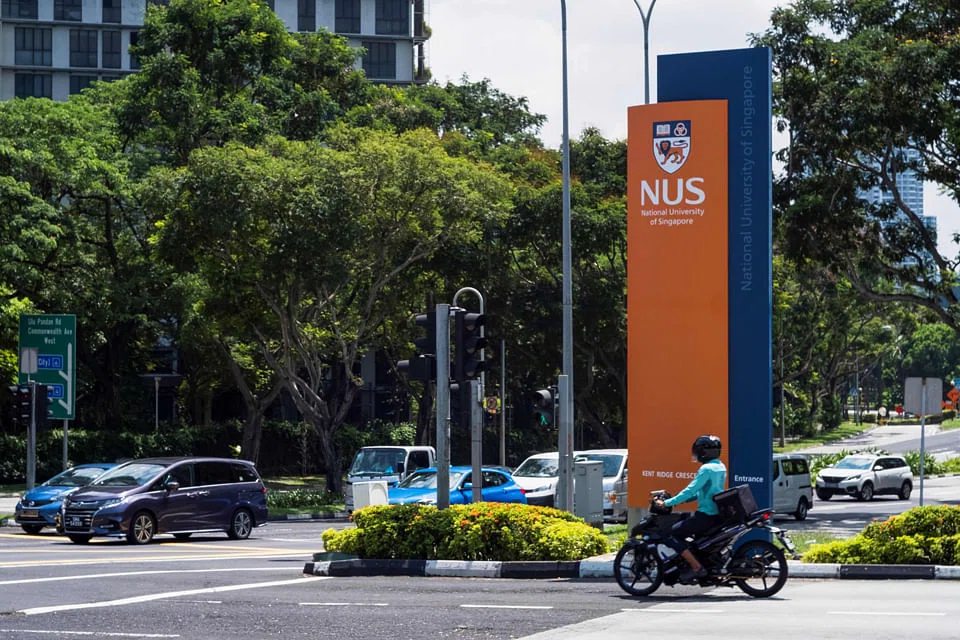


THIS WEEK'S TOPIC: What curriculum (or other) changes are needed to better prepare Singapore's university graduates for the new economy and the future of work?
Cheung Pui Yuen Chief Executive Officer Deloitte Singapore
In the future of work, talent with an entrepreneurial mindset that embodies qualities such as critical thinking, resilience, collaboration, and social and emotional intelligence will be held in high regard. A curriculum that does not confine students to a single speciality but exposes them to different perspectives will help develop this mindset. In addition, these perspectives will enable the students to better balance and navigate the up and coming digital economy, and to better collaborate with people across disciplines and cultures - so that they can thrive and succeed in the fast-paced and fast-changing world.
Chris J Reed Global CEO and Founder Black Marketing
Radically alter the focus of education to be more about practical and social skills, and less about paper qualifications and memorising facts. Students need EQ skills, street smarts and real-life experience. I would like to see, firstly, entrepreneurial elements added to all degrees to encourage and spark the passion to start your own business, and secondly, as part of their courses, make students work in a restaurant, bar, retail outlet - somewhere that they have to meet real people and really understand that what you learn in the classroom bears little resemblance to real-life business, and grade them on it. That would shatter some illusions and entitlements!
Victor Mills Chief Executive Singapore International Chamber of Commerce
The most important change businesses will respect and collaborate to deliver is the development and application of core life skills. Too many employers complain that too many job candidates lack these. The universities have the heft to convene, collaborate, facilitate and innovate how these skills can be taught and applied. Core life skills mean a consistently positive attitude to enquiry and to work; having the ability to communicate effectively verbally and in writing to all target audiences. This, in turn, enhances the ability to work effectively and respectfully in cross-cultural and cross border teams. All of these skills build adaptability, agility, character, humility, integrity and relevance.
Lawrence Loh Director, Centre for Governance, Institutions and Organisations NUS Business School
I would like a see an even stronger partnership between the private sector and universities. Only through such an intensive collaborative approach can the dynamism of change be incorporated into the university curriculum at source. We can have a cooperative learning mode where teams of students do live projects at organisations in extended course modules - this goes beyond regular internships, as the applications are anchored on the structured curriculum. We can also break out existing full modules into micro-modules where these are taken with organisations to solve specific problems. The distributed locus of learning will be ''win-win'' for all. It will be resource-intensive but this can be mitigated by use of technologies like ''teach-bots''.
Alain Deniau CEO & Board Practice Leader in Singapore Heidrick & Struggles
The future of work is rapidly changing with the rise of technology, becoming more interconnected, and also volatile and uncertain - today's undergraduates face a whole new set of challenges. While intelligence and analytical skills were key in the past, we need to look at different metrics today.
Undergraduates must nurture and develop soft skills, mindsets and traits. These include being able to learn from failure, taking initiative, critical thinking, flexibility, empathy and decision-making in an international and multi-cultural environment. A regular classroom environment can no longer suffice, and indeed, universities and polytechnics have adopted a bottom-up approach, with focus on group work and practical assignments to encourage interactions mimicking the workplace. However, to match global future business needs, appropriate guidance must be present from instructors to ensure that the desired outcome of such activities is achieved.
Yeoh Oon Jin Executive Chairman PwC Singapore
The digital world has ushered in new business models and ways of working. While equipping our graduates with the relevant technical and digital skills, it is important that our universities' curriculum focuses on the development of uniquely human skills, such as creativity, empathy and collaboration, as these are not replaceable by machines and will become ever more critical in the new economy. As our universities rethink their curriculum, they may consider incorporating more elements of design thinking into the content and delivery of the courses. At the same time, the curriculum should look to inculcate a growth mindset in our graduates - one that encompasses change agility and lifelong learning, to prepare them for a future of work where jobs and skill sets will have to evolve continually in a fast-changing world.
Khor Hock Seng Group Chief Executive Officer Great Eastern
With the workplace evolving, next-generation graduates must be adaptable to ready themselves for the new future beyond their education, to build on situational learning, and focus on capabilities under SkillsFuture's Skills Framework, for roles in the industries of tomorrow.
Renewed emphasis on practical training becomes necessary to give them real-life experience in the working world. Companies can support this by hosting extended practical training hours as part of university curriculum and graduation criteria. Partnering with educational institutions can achieve a ''win-win'' which will result in a ''more'' ready newbie before entry into the workforce. We are looking at a digital and on-premise hybrid learning model to ready our employees with skills essential for digital transformation, while offering traineeships and internships to fresh graduates to build valuable skills and industry experience.
Max Loh EY Singapore and Brunei Managing Partner Ernst & Young LLP
Graduates face a future workplace defined by new norms like remote working, flatter hierarchies and a focus on skills. To that end, we must redefine what, how and where learning takes place. Future learning should be a hybrid model of in-person and virtual delivery, and an optimised mix of core curricula, extended internships and industry assignments that allows curation by the individual. Fixed mass curricula may be less relevant than modular content that is tailored, just-in-time and flexible in incorporating in-demand skills. Graduates also need to shift away from the mindset that a degree is sector or role-bound or an end goal, as having adaptive multi-skills is now an imperative. Instead, explore the many pathways their skills can take them and hone their competence through lifelong learning. Organisations should see themselves as schools of tomorrow by investing in their own workforce learning, as well as supporting opportunities for immersion.
John Bittleston Founder and Chair Terrific Mentors International Pte Ltd
Four changes are needed to prepare Singapore university graduates for work life. Firstly, structured internships with dedicated mentors and clear purpose - internships are successful when planned properly. Otherwise, they often waste time and warn the interns that they are exploring the wrong career. Secondly, cashflow management: personal and corporate. This is seldom taught in university. Impressed in corporate terms, intelligent students pick up its implication for themselves. Thirdly, qualifying the world through regular current affairs: Graduates must appreciate the need for a daily world view. Lastly, communications in a multi-racial, globalised world, as this is at the heart of lifelong continuous learning.
Ho Kai Weng Chief Executive General Insurance Association of Singapore (GIA)
We need to move away from the approach where students work towards one known, right answer for each problem. In many sectors and workplaces today, workers must solve problems with no obvious or right answer. Working in multidisciplinary teams is often needed to explore options and test proposed solutions before adjusting, or even abandoning a solution. Universities can help by adjusting curricula to promote, first, working in teams; second, solving problems with no clear answers; third, delivering impactful speeches and writing; and fourth, a culture of un-learning and re-learning after considering new evidence.
S Ryan Meyer Managing Director, APAC General Assembly
Universities are built to last, not evolve quickly. Indeed, most of us grew up in a generation that expected our degree to carry us through life. Now, the ability to keep learning, to cultivate a lifelong growth mindset is imperative to success. And the world is not slowing down! By their nature, universities face longer curriculum development cycles, and would be best served focusing on core skills such as critical thinking, learning agility, problem-solving, and communication. As well, establishing strategic partnerships with employers and modern institutions offering modular learning will greatly accelerate their pace of change.
Charles Reed Chief Executive Officer Royal Greyhound
I recently had the pleasure to present to this year's graduates from the ITE Singapore. I was delighted and proud to describe how essential logistics is as part of the global economy. When asked ''what are employers are looking for'', without hesitation I answered that your attitude is most important: flexibility, curiosity, discipline and integrity. Skills can be learnt, values are fundamental. Google provides vocational training for six months with a Google Career Certificate which they regard as as good as a four-year degree course. Any tertiary education should develop soft skills and help students have a better understanding of values. Universities need to work alongside the new economy in order to remain relevant.
Jeffery Tan Group General Counsel & Chief Sustainability Officer Jardine Cycle & Carriage
Universities and graduates must recognise that education is no longer something that is passively delivered, but rather a learning journey that one needs to actively engage in and be responsible for. While a teaching curriculum can remain, there is an urgent need for graduates to be ''new economy ready'' when they enter the workforce. This requires graduates to weave in their formal education life and work experience; an entrepreneurial, innovative, multi-cultural mindset; technology and digital savviness; and not least an ability to swiftly learn new things and adapt to an ever changing business landscape that straddles different disciplines, many of which they have not been trained for.
In the past, these attributes could be accumulated and built up over time. Now, these must be almost ''ready for use'' by the time one graduates. To achieve this, universities will need to determine how best to compress the learning experience and exposure for its graduates in active collaboration with industry and private sector stakeholders - embracing them as core faculty members of the overall education system.
Ari Sarker Co-President, Asia Pacific Mastercard
Having adapted Mastercard's training programmes to suit remote working, we can attest that the blended learning approach proposed by the Ministry of Education is more effective, and ideal for enhancing collaboration across geographies. I saw this in action during our virtual Launch Bootcamp which brought together 250 graduate recruits from across Asia-Pacific for onboarding. Five days later, they are an inspired, tight-knit group despite the distance between them.
To support early career talent like our Launchers, universities should develop soft skills such as cognitive flexibility, creativity, resilience, social intelligence, negotiation and virtual collaboration skills. These are essential for building strong partnerships at work, especially as technology use increases, leaving students less accustomed to interpersonal interaction and problem solving in teams. Public-private partnerships like our programme with NUS are also beneficial for cross-pollinating ideas between schools and companies.
Chua Hock Leng Regional MD, ASEAN Pure Storage
Even before the pandemic, the future economy was always going to be centred on data and digital transformation. Covid-19 has accelerated this shift, creating an even greater imperative to build up talent in areas the economy will need, such as data science, analytics and software engineering. Schools should prepare their students to be resilient problem-solvers, communicators and creative-thinkers capable of adapting to an increasingly unpredictable environment. This will require broader curricula that emphasise interdisciplinary learning and risk-taking needed to thrive in a highly dynamic landscape.
Ronak Shah CEO Singapore, Asia QBE Insurance
The new economy, with digital at its core, demands new skills and attitudes from the next generation of graduates. We see a growing need for deeper technical knowledge and creativity in problem solving, which we actively seek during our hiring process. However, while having these traits embedded through education can help, private organisations also have a responsibility to engage higher-learning institutions and their students by offering insights into the corporate world and what they can expect when they graduate. This will help students prepare themselves and think about what aspects of their own education are most critical. In short, striking this balance between a curriculum that fosters problem-solving skills and providing a better sense of real-world business applications will ensure those entering the workforce can thrive.
Sujith Sivaram Managing Director ESCO Pte Ltd
Current graduation programmes are focussed on delivering subject matter experts to the industry based on the curriculum they have chosen. However graduates find themselves in jobs that use only 20 per cent of their skills as a ''subject matter expertise'' and end up spending the initial years of their career learning to collaborate with other disciplines and understanding how to increase their value to the organisation and vice-versa. A higher level of industry-institution engagement can plug this gap by offering students more immersive learning experiences that prepare them much better for the workplace. Inter- disciplinary projects and assignments that foster collaboration and application of skills in practical scenarios would be useful. Institutions should also consider replacing ''electives'' with industry-relevant certifications and/or projects that have social or commercial relevance.
Mark Shmulevich Chief Operating Officer Taiger
Singapore has been very successful in educating students in applied information and communications technology areas. Graduates are well prepared to meet the requirements of the job market in most, for example, traditional software development roles. At the same time, to build new products and innovate even more, good knowledge and deep understanding of the foundations (both traditional, like data structures and core algorithms, and modern, like AI/ML basics) is needed. Singapore's institutions of higher learning (IHLs) might try to pilot small-scale programmes in which students spend much more time on the foundations and core technologies, making sure they understand very well the existing and emerging frameworks in computer science. Such professionals will complement the workforce with good applied skills. Employers will be able to build more productive and innovative teams to drive new product development. Entrepreneurs will be willing to get some of such people on board their startups. Computer disciplines can be learned both online and offline, thus the pandemic is not a threat to this area of education.
Nellie Wartoft Chief Executive Officer Tigerhall
Porter's Five Forces, the 4Ps of marketing and the Johari window - these are just three of the many theoretical concepts that universities should relook. It is time we empower students with the practical nous and actionable soft skills required to not just navigate - but thrive - in the real world. Some cases include the communication skills required to handle difficult colleagues, negotiation techniques needed for important meetings and stakeholder management capabilities when dealing with bosses. Only then can we plug the skills gaps present today and provide the industry with capable professionals who are ready to make an impact.
Stu Garrow SVP & General manager APAC Talend
Universities in Singapore must make a concerted effort to produce more graduates with capabilities that help businesses reduce the technology skills gap, particularly in the field of data science. There simply are not enough data professional globally to meet the requirements of industry, so every task that can be automated should be automated, to free people up for high-value tasks. This is especially important for the economy in the next few years as businesses devise post-Covid-19 strategies to address customer needs. Partnerships between universities and the business community can encourage students to develop a familiarity with data and various applications to carry into their careers.
Damien Dhellemmes Cluster President Schneider Electric Singapore, Malaysia & Brunei
As we reimagine education, we are recreating the future. This pandemic has called for a reshaping of education, curriculum and the delivery approach. In order to stay industry-relevant and be future-ready, we must challenge the status quo. Can we allow students to design their own learnings and create their own career opportunity? For example, analytics in engineering, data scientists in supply chain, virtual reality in e-commerce. Let us shift the paradigm by cultivating digital mindsets, encourage innovative ideas and sustainable business models.
Josh Heniro Senior Director, SE Asia and Australasia IMA
Rapid digitalisation over the past decade has bred a business landscape where upskilling and reskilling are essential to keep up with business needs, and today's pandemic has made this even more pertinent. As a global professional body, we are seeing today that our professional accountants and new graduates are being asked for much more than their traditional financial accounting body of knowledge, to analyse, strategise and lead business decisions. They are expected to have an entrepreneurial mindset and be ready to adapt to rapid changes, provide critical and analytical thinking skills, and understand the business as a whole.
Brad Gray Senior Vice President (APAC) Exclusive Networks
It is almost guaranteed that most graduates today and tomorrow will use and depend heavily on digital platforms and ecosystems for their work. While coding and other skills are important, all students should be taught at least basic cybersecurity skills from a much earlier age. We have seen a significant increase in cyber attacks in Singapore and beyond over the past few years, and while many attacks came from sophisticated hackers using complex tools and techniques, a significant number of breaches occurred due to basic human error, lax standards and a lack of knowledge.
Not only should Singapore start to incorporate cybersecurity training in the curriculum at schools and universities, but we should seek to become a world leader in ''cyber education''. We should bring together the best trainers, teachers and experts into our campuses (and virtually, of course) and attract students from Asia and the world. Cybersecurity will be critical to realising Singapore's Smart City and high-tech ambitions. We need to ensure our current students and future workers are equipped with the right cybersecurity knowledge from a young age.
Wong Heang Fine Group Chief Executive Officer Surbana Jurong
More than ever, we are in great need of problem-solving, creative thinking, collaboration and digital skills in the workplace. We must therefore redefine education in schools and universities to help a new generation develop these skills. For centuries, English, math, science and humanities have been taught in schools as foundational subjects. Now in the 21st century, it is time we added computer science and digital as core subjects in the national curriculum and as modules in every university course.
Computer science and digital cover computational thinking, data analytics, interface design, machine learning, robotics and other highly relevant fields in today's world. Importantly, they also encourage complex problem solving, creativity and collaboration skills - essential skills in every industry, in every age.
Chia Ngiang Hong President Real Estate Developers' Association of Singapore (REDAS)
A drastic change of mindset from the present regime is absolutely necessary. I concur with the NUS president's recent call for a demolition of subject silos, as we need to prepare our students to be a more well-rounded, articulate and interdisciplinary character, and a polymath in skills. Curriculums need to be modular, agile, adaptable and keep abreast of new technologies and changes in the business environment and market conditions. Students should be able to seamlessly draw on and integrate diverse areas of knowledge so that they are equipped to face the challenges in the new economy. Teaching and delivery approaches must also evolve through the offering of strategic and scalable learning options that closely align with the differing needs of students, employers and the job market.
Ricky Tan Chairman and CEO KWEG Pte Ltd
To thrive in life and at work, Singapore's university graduates will need rich and vast learning experiences that instil problem-solving skills. This will differ widely from the present schooldays of a teaching culture, instead of a learning culture. Classrooms should be morphed into learning hubs. Real-time data and artificial intelligence will allow students to self-learn in flexible, open, collaborative ways, both inside and outside the learning hubs. With data, teachers will be able to cater to personalised learning for students. It is a holistic approach that goes beyond academic progress to include the students' emotional and social wellbeing.
Kelvin Teo Co-founder and Group CEO Funding Societies
NUS's announcement to combine the Faculty of Arts and Social Sciences and the Faculty of Science, and Education Minister Lawrence Wong's view to break down academic siloes represent incredible foresight. In fintech, cross-functional collaboration is part and parcel of daily work and problem-solving at Funding Societies. However as the firm scaled and functions specialised, some turned silo while others flourished. A decisive difference was that the latter comprised T-shaped polymaths who can empathise and facilitate win-win solutions across functions. We have since initiated cross-functional sharing, secondments and training to develop polymaths, enabling us to grow big but stay small. We believe interdisciplinary learning is the future of education.
Helen Ng Chief Executive Officer Lock+Store
We need to prepare Singapore students for the gig economy. They should not expect to stay in the same job or perform the same function forever. They need to develop an agile mindset and be adaptable to rapid changes in demand for skill sets. The curriculum should be multidisciplinary. We should no longer train our students to be doctors, lawyers and bankers, but lawyers with media relations skills, doctors with app development skills and bankers with data analytics skills. I agree with the push for less structured education. There should be more interactions with the corporate world from an early stage so students can pick up intangible skills that will give them a headstart at the workplace.
Tirupathi Karthik Chief Executive Officer Napier Healthcare
One of the challenges faced by mid-sized organisations is the availability of (local) talent who are enthusiastically willing to travel to new (read emerging country) markets. We need passionate people who have the ''wanderlust'' and the imagination to look for opportunities. These could include markets in third world countries where the culture could be quite different and work approach radically altered compared to our work culture in South-east Asia. Some of these could be in far flung places like Africa, South America, Eastern Europe and so on.
John Kim Managing Partner Amasia
Schools can do better in exposing students to a wider variety of possible jobs based on their course of study. Most schools already have compulsory internship requirements, which ensure that students spend enough time on a job to gain a deep appreciation of the work they are doing. A complementary approach would be to weave sharing sessions by industry practitioners into the curriculum, so students can learn from the breadth of experiences to gain a more holistic understanding of how they can contribute. This would help them make better-informed decisions overall, from planning academic courses around building specific skill sets to choosing internship opportunities that enhance employability.
Simon Dale MD, South East Asia Adobe
As technology becomes further embedded within the fabric of our society, the demand for digital skills has intensified. Meanwhile, softer skills like creativity will have a premium placed on them in the post-Covid future. Blended learning through a variety of formats and greater alignment between the arts and sciences will help ensure that digital literacy and creativity are developed in tandem. Collaboration between educational institutions and the private sector is also crucial for educators to understand evolving job corridors and to align course activities with skills shortages.
In Singapore, Adobe works closely with SkillsFuture and schools and universities to support local talent development in digital content creation and engagement. Through these partnerships, we support existing and future workers to seize new opportunities, while ensuring a strong pipeline of talent for the local workforce.
David Yeo Chief Executive Officer Kydon Group
The future of work is now. To keep knowledge relevant, universities must extend their learning into the workplace so that curriculum can rapidly adapt to real-world requirements. Long-form curriculum must be restructured into micro-components, where micro-learning is like creatively stacking, reorganising, and updating Lego blocks based on skills needs. Given today's continually and rapidly changing environment, more people are learning responsively and just in time, not just in case, to perform their professional and personal tasks. Micro-credentials support agile learners by representing specific competencies attained, and employers need people who have the skills required for job performance.
Naveen Menon President, ASEAN Cisco
Virtual learning in the context of a pandemic is considered a temporary measure. However, as institutions look at education of the future, how we teach and learn should also be re-evaluated. The workforce of the future will require new skills and capabilities that are underpinned by a wide range of innovative digital technologies. Schools, universities, as well as technical and vocational colleges should be preparing students for this future.
It is extremely important to ensure that skills-building for students catch up with the rate of technological progress. Cisco's recent study found that 6.6 million jobs will become redundant by 2028 across the six largest Asean economies as a result of digital transformation. While technology will displace workers from some jobs, it will also boost productivity growth, which in turn creates new demand for workers. To this end, the Cisco Networking Academy for example, offers customised and tailor-made curriculum to universities and colleges. This has helped students develop industry-relevant skills and knowledge for STEM occupations.
Research showed that 32 per cent of the overall skills gap by 2027 will be in skills that are inherently ''human'', relating to interpersonal communication, perceptiveness and persuasiveness. Any discussion on curriculum should also include theory and knowledge, emotional and social skills, as well as values and ethics. As we explore the new models of education, we should also look at how behavioural and social aspects of learning, real world applications of learning and character building can sit alongside traditional literacy, math, and science programmes.
Dileep Nair Independent Director Thakral Corporation Limited
''Learning never stops'' is an adage that must be internalised by universities. Instead of the longstanding model of once-off learning, cramming and examination, universities should adopt a flexible structure of providing ongoing customised on-demand higher education. Artificial intelligence can be used to curate individualised learning opportunities and to document outcomes. Close collaboration with industry will ensure the relevance and topicality of curriculum. Additionally, universities should provide incubators for innovation to spur entrepreneurship.
Most importantly, universities must also focus on continuing higher education by giving opportunities for individuals in the workforce to engage in on-campus, online or even blended programmes to refresh or re-skill to remain current. Only then will our universities really meet the knowledge needs of the new economy.
Pascal Lambert Group Country Head, Singapore Societe General Group
Singapore already has a world-class education system by global academic standards. More can be done to develop cross-skills, adaptability and an international exposure. Overseas study exchanges and internships will be helpful in developing these qualities. This will help the younger generation be competitive and mobile, with Singapore being an international hub. France developed a successful international programme for young graduates (VIE) which Societe Generale is a leading provider of - giving fresh graduates from France (and the European Economic Area) an assignment abroad for 12 to 24 months. Since 2000, this programme has given 77,000 young adults international exposure for more than 7,400 companies, in 118 countries worldwide (14 per cent in Asia).
Joanne Wong VP, International Markets LogRhythm
Digitalisation would be central to the future economy, which is expected to be driven by data, automation, robotics and artificial intelligence. While digital and technical skills such as programming and data analysis are going to be prerequisites for the future of work, ''softer'' skills are also of increasing importance to help organisations remain resilient and agile to keep pace with rapid change. In fact, these non-substitutable skills such as empathy, critical thinking, collaboration, and creativity not only enable innovation to thrive but are also essential to effect meaningful change. As ''soft'' skills are not as easy to acquire as technical ones, it is critical to start looking at introducing them in the curriculum as Singapore continues to accelerate digital adoption.
Han Chung Heng SVP, Systems, Alliances, Channels, and ISV Oracle Asia Pacific and Japan
The future of learning will definitely be a hybrid of physical and online learning. With rapid technological innovation, educational institutions must keep abreast of the latest trends. Oracle Academy is Oracle's philanthropic educational programme that offers a variety of training courses and educational resources to secondary schools, vocational colleges and universities, for students and faculty of member institutions. In the digital economy, data literacy will be the most important foundational skill, and use-cases that help link technology to business outcomes will be extremely meaningful. In Singapore, more information and communications technology professionals are being trained, but we need to accelerate that to be future-ready.
Pierre-Jean Châlon SVP, Asia Pacific Poly
As workforces today are leaning towards hybrid working models in this new normal, institutes of higher learning have the opportunity to transform both the delivery of curricula and the student learning experience, in order to meet the future demands of a global economy in flux. This can be done by more thoroughly incorporating elements of hybrid learning, as well as greater use of communications and collaborations technologies like video conferencing and cloud collaboration solutions. As these students graduate and enter the workforce, this emphasis on agility, flexibility and outcome-driven capabilities will go a long way in helping them successfully adapt to the dynamic expectations of the future workplace, whether remotely, physically in the office, or somewhere in between.
Charles H Ferguson General Manager, Asia Pacific Globalization Partners
Singapore education is renowned as among the best in the world. Prior to Covid-19, I trust most tertiary education institutions' curricula were up-to-date and reflected the realities of today's globalised world, as well as the emerging technologies impacting our lives, particularly artificial intelligence, automation, cloud computing and mobile. With the sweeping changes in trade and commerce as a result of Covid-19, broadening students' perspectives about employment and employability outside the traditional norms and beyond Singapore borders, as well as the emerging trends across finance, human resources, legal and IT, as they relate to international business engagements, will be invaluable. In grooming today's youth to become resilient future leaders, it is fundamental to build avenues and programmes to develop their global perspective, creativity, grit, problem-solving and social skills to transcend across cultures and geographies.
Richard Kwok President The Institution of Engineers, Singapore
Universities should have a strong mix of interdisciplinary and practical training at the core of their engineering courses to prime students to take on global challenges such as climate change and pandemics. Conversations and collaborations with the industry also need to be taken to another level so that graduates are in the best position to meet evolving industry demands and support adoption of technologies such as artificial intelligence. Universities could work with the industry to introduce more workplace learning schemes to raise engineering competence and research capabilities and enhance our graduates' skills and employability.
For blended learning, it is not as straightforward for engineering departments to integrate online and classroom learning, as many engineering modules involve laboratory-based work. Universities could consider incorporating augmented or virtual reality resources to reduce physical contact yet deliver desired learning outcomes.
Pierre Samson Senior VP, Asia Pacific Alcatel-Lucent Enterprise
The digitalisation of everything and proliferation of technologies like artificial intelligence, automation and robotics were already transforming the way we work before the pandemic forced workers to work from their homes. Digital transformation is a journey, and the future of work will continue to be evolving. Besides equipping students with the skills to operate efficiently as digital native workers, we also need to inculcate a mindset of lifelong learning with school curriculums that are designed to empower personalised learning. Additionally, campuses need to become connected, intelligent environments, powered by resilient network infrastructures, that enhance the student experience by allowing them to communicate, collaborate and learn readily from anywhere.
Lim Fang How Regional Director, South East Asia Zebra Technologies
The education sector must work closely with the private sector to groom skilled talents and ensure that the current and future workforce is equipped with the skill sets and competencies that will be required for the new economy. Leaders in varying industries will be best equipped to do so by imparting their expertise.
An example would be Zebra Technologies' collaboration with Singapore Polytechnic to groom skilled talents through student-internship opportunities, co-development of Industry 4.0 projects and solutions, showcasing of advanced manufacturing solutions and jointly developing curriculum related to advanced manufacturing. Zebra Technologies is committed to sharing our expertise with local students to ensure that Singapore has a pipeline of skilled talent that is attuned to the new economy and industry's future needs.
Derrick Chang Chief Executive Officer PSB Academy
As we progress into the new economy, the next generation of university graduates must be educated, cosmopolitan, digitally and media-literate. The curriculum needs to evolve and take into account holistic education for the students, catering for a deeper understanding across the humanities, social sciences and natural sciences. It should also train students to be accountable 21st century citizens, emphasising on the responsible use of technology and the ability to discern fake news. Beyond that, it is time for students to be armed with a global perspective that will help to develop communication skills, add a fresh layer of doing things and foster a risk-taking mindset. By doing so, it ensures that the students are equipped with the necessary technological and adaptive and technical skills to unlock their full potential and be active contributors in this future economy.
Victor Tan Chief Executive Officer TOP International Holding
Much has been said about closing the skills gap to prepare for the new economy. Yet the advancements in technology continue to drastically outpace changes to our education system. To understand the crux of the issue, perhaps we should take a leaf from the Finnish education system - known for its holistic teaching environment that strives for individualised guidance among others. It is often assumed that our students do not know what they want. Indeed they should be exposed to real-world problems at an earlier age, so they can have a headstart in identifying their career choices.
Recognising that public-private partnerships can spearhead such initiatives, Top International Holding has been welcoming final-year students from local universities to work alongside our management team. These students solve real-world problems and make recommendations to fine-tune value propositions and optimise business operations. The rigours of an education system are determined by the relevance of skills and knowledge imparted to students, and not the pursuit of academic excellence at all cost.
Sujith Abraham SVP and GM ASEAN Salesforce
Hard skills like data analysis and programming have always taken centre-stage. However, taking that foundation and transforming those skills to be apt for a business context will help graduates stand out. That is why we offer a free online learning platform, Trailhead, for learners to adapt to these modern business working environments. Since the pandemic, Trailhead has seen an uptake of 37 per cent in sign-ups, with learners picking up soft skills like communication, resilience and culture building, on top of traditional in-demand skills. Future graduates must be equipped with more than just the technical know-hows to become well-rounded leaders in order to prepare for a new digital-first work environment.
Ng Yi Ming Managing Partner Tribe Accelerator
Going by what the pandemic has taught us, resilience, speed of innovation and readiness for change or to pivot are key areas that the education systems of the future must focus on teaching the students. The Singapore government understands that education and learning need to evolve with time and closely tie in with efforts to meet economic and future of work challenges. Education is viewed as a social enabler and futuristic. Moreover, it is a national imperative to create job-ready students to fill the skill gaps or meet the talent demands that we see on the rise.
Collaboration and co-creation between industry players for course modules, delivery formats, skill development and job creation will set the stage for the next frontier of education and learning in the country. The launch of the SkillsFuture-supported GoSchool earlier this year, with the coming together of Ngee Ann Polytechnic, Indorse and Tribe Academy, is one such example, where the course programme has been designed in close consultation with leading tech/e-commerce players like Shopee, with guaranteed apprenticeships and 150 jobs in the pipeline. Such an approach shall help students stay attuned to the real world, as well as lead to honing of specific skills to meet niche industry demands.
Pushing the pedal on apprenticeships and student access to open source innovation platforms of leading players from not only Singapore but across the globe, is an opportunity to push the next frontier of innovation in different fields, which in itself is shaping into a new kind of classroom. In terms of education delivery, though virtual learning is gaining momentum, it still lags behind in intimacy and interactivity. It will be interesting to see how the edu-tech players can make this experience more engaging and outcome-oriented for students in the future.
Sandeep Bhargava MD, Asia Pacific and Japan Rackspace Technology
Education in local tertiary institutions must focus not on rote learning, but on a curriculum based on applied knowledge that will enable students to be innovative. Our university graduates need to go beyond learning basic programming and data science, to understand how these technologies can solve economic and social problems. Also, job insecurity among graduates is likely to be exacerbated by the progress made in artificial intelligence. Machines that can perform cognitive tasks are expected to become especially important in key sectors such as healthcare, transport and the environment. Thus, it is vitally important to adapt to the needs of the new economy and Industry 4.0.
Venka Purushothaman Provost LASALLE College of the Arts
At Lasalle College of the Arts, we believe it is not just the programmes that we offer that must be future-focused. Rather, it is important that the classroom itself is transformed into a place where diverse technologies, ideas and cultures coalesce and integrate. Our students bring to life this integration through thinking, making and doing, whereby they construct ''movable ideas'' that can be implemented on a wide variety of platforms, disciplines and sectors. It also builds confidence in our students to work across disciplines. The future of education requires, besides the acquisition of discipline-specific knowledge, the ability to shape learning. At Lasalle, we do this by encouraging our students to become authors of their education. We charge them to be courageous to take a road less travelled in order to redefine the predictable.
Thomas Holenia President Henkel Singapore
With our multinational teams in Henkel Singapore and Henkel Global Supply Chain Hub, we have always emphasised to our employees the importance of having a global and entrepreneurial mindset, embracing diversity and inclusion, as well as fostering a culture of leadership, collaboration and continuous learning. These attributes - which are crucial for one to remain agile, adaptable and relevant amid constant change and uncertainty - are highly valued by all organisations and industries. Hence, we would like to see tertiary institutions include these topics in the foundational modules of all their courses, as well as actively promote the discipline of self-directed, continuous learning among our youths.
Joe Keen Poon President Kaplan Singapore
The graduating classes of the 2020s will be in such a transitional period. The key to success is to stay adaptable. Employability underpins everything we do at Kaplan. It is thus no surprise that we fully integrate employability readiness into our curriculum. Working with the biggest employers from key industries, we ensure our courseware aligns with the skill set needs of the respective industries. These often include soft skills such as interview techniques and presentation skills to make well balanced, confident and presentable candidates who will stand out in interviews. We are also the first private education provider to not just set up industry advisory boards with chief experience officers (CXOs) to stay closely aligned with industry needs, but also the only one to leverage the power of AI to help students find and prepare for their career aspirations.
Andrew Yeong VP & Head, APAC Tata Communications International Pte Ltd
The Education Minister's call for a more holistic education signals the broader need for disruption and continuous innovation in all spheres of our lives. This approach starts with the way we educate our young, but businesses can expect to benefit as students join the workforce with their wider world view. No man is an island, and all businesses thrive by how well they find their niche in their ecosystem. Technology is an enabler, and the organisation that best harnesses digitisation, AI and 5G wins. Besides embracing the government's inter-disciplinary learning approach, universities must help their students develop a love for technology and its transformational powers, so that they can in turn transform businesses and the country when they graduate.
Lee Fook Chiew Chief Executive Officer Institute of Singapore Chartered Accountants
To thrive in the new economy, individuals must embrace new technologies and adopt a digital mindset. More importantly, they must be willing to update their skills and acquire new skills continually over time. This will enable them to be versatile and adaptable in an era of constant and rapid change. Within the accountancy profession for instance, accountants are acquiring digital skills such as robotic process automation, artificial intelligence and dashboard reporting. They are also learning to work with new platforms, systems and tools in areas such as billing, payment, data management and customer intelligence.
Accountancy graduates are encouraged to further their education in specialisation areas, to enhance their skill set and complement their accountancy training. Apart from technical proficiencies, educators should also emphasise soft skills such as critical thinking, business acumen and emotional intelligence. New fields and areas of knowledge will continue to emerge over time, and we must all be prepared to be lifelong learners.
Toby Koh Group MD Ademco Security Group
I strongly commend the value of practical training prior to graduation: two separate industry attachments of at least four to six months with organisations. Teams of student consultants will focus on projects that add value and problem-solve. The undergrad interns whom Ademco have worked with had been outstanding. They worked with our overseas subsidiaries in fine-tuning the go-to-market strategy and just the interaction alone with different nationals was great learning. They gave feedback that the experience had been invaluable by doing work that made a difference to Ademco. These real-life experiences cannot be taught in school but help shape their thoughts and open up possibilities.
For business students, basic knowledge like accounting, business law should be done online and not eat up precious faculty resources. Content for academic study is plentiful online. FaceTime with educators must be a catalyst for discussion, interaction and problem solving. Soft skills like verbal communication, which is difficult to teach online, must be done in person.
Gibu Mathew VP and GM, APAC Zoho Corp
Singapore's education system is already quite refined by technology changes. However, the need of the hour is to nurture professionals that can lead the change at work. University graduates equipped with the right mix of emotional intelligence and technical capabilities will be major contributors to drive the future workplaces that are going to be even more virtual and digitally-enabled. By marrying current practices that lean towards the STEM industry with a social human element, curriculum thus tweaked can influence the habits of both students and workers, preparing them to be the future global leaders that every prosperous nation aspires to produce.
Lim Soon Hock Managing Director PLAN-B ICAG
Today's digital world requires our graduates more than ever to be ''T'' trained, that is with a broad-based education that is characterised by inter-disciplinary learning while allowing for the acquisition of depth in a specialisation.
To better prepare our graduates for the new economy and the future of work, it should be cleverly underpinned with ''mass customisation'', that is now made possible with existing technologies, and allows for learning any time, anywhere. In this new learning environment, more practice learning and industry exposure can also be introduced and incorporated, for example through virtual reality, augmented reality, or mixed reality, tapping on industry expertise and experience. This dual-prong approach of academic learning and industry exposure - intended to reinforce the former - ensures that our graduates receive the best education possible, effectively and efficiently, according to their learning capabilities and absorption.
Terry Smagh SVP & GM, Asia Pacific & Japan BlackLine
Tomorrow's business IT and finance graduates are stepping into a vastly different workplace, with almost 80 per cent of accounting tasks expected to be carried out by machines according to the Institute of Singapore Chartered Accountants. Future roles would demand value-addition and strategic thinking as more repetitive and routine accounting tasks are automated. Therefore, universities need to equip students with a much wider range of skills and domain knowledge in order to improve their employability. To do so will require the expansion of curriculum and coursework to build strong business acumen alongside technology and communication skills. These not only equip graduates to move towards higher-value work, but also builds a workforce that is equally at home working in-person and across a distributed environment.
Eryk Lee Chief Executive Officer AAM Advisory
Robert Kiyosaki, the author of Rich Dad, Poor Dad has often said that schools do not provide real-life financial education. I think there is some truth to this; many non-finance professionals are not investment-savvy and probably rely solely on their salaries to grow their wealth. Research has shown that our financial attitudes are shaped early in life at around the age of 7. Some children pick up positive habits like effective budgeting, responsible borrowing and long-term saving from their parents. But we need to ensure all children get a grasp on the basics of financial prudence early on in their education.
Otherwise later in life, unless they seek professional help, they could miss out on wealth accumulation opportunities. The wealth management industry in Singapore is growing and we should incorporate elements of financial education into the curriculum of local universities too. Even if our graduates do not end up in financial services, having a good understanding of personal finance will help them be smarter with their money and avoid making a financial misstep. These are life skills everyone should have.
Gan Ta Loong Managing Director Barco, South East Asia
National educational agenda today recognise that technology has a significant role in the future of educating our emerging talent. Ensuring an immersive and interactive experience is crucial in preparing students for the new economy and the future of work. The need to accelerate adoption of digital skills has been hastened by the pandemic and as the world cautiously emerges from the global disruption, educational systems and institutions need to elevate the quality of their programmes to incorporate hybrid learning models and virtual education techniques.
In a hybrid model, depending on the circumstances, students can choose to attend lectures either physically in the room or remotely. The participants - whether they are in the physical classroom or remote - can all seamlessly interact with each other, take part in the same polls and use the same whiteboard. By enabling teachers to immerse students in virtual teaching environments, imparting skills for the new digital future will be enhanced. Institutions strengthen their curriculum through content-rich and interactive learning, making it more engaging, collaborative and emotionally fulfilling for both students and educators. This is the way to remain competitive, relevant and valuable as a nation.
Teong Eng Guan Vice President, ASEAN Palo Alto Networks
Tapping industry leaders in the private sector - who have real-time visibility on the challenges facing businesses both now and in the future - will help provide students with a deeper understanding of the skill sets needed to prepare them for the future of work. As cybersecurity specialists, we see first-hand how societal challenges like Covid-19 can be exploited by cyber criminals. Education is critical in circumventing the challenges associated with a digital-first future and there is a real need to bridge the talent shortage in cybersecurity. While there are tools to help individuals and businesses upgrade their understanding of cyber-risks - such as our education services offering free digital training, research tools and certifications - building a generation of cyber savvy graduates will ensure the future of Singapore's workforce is primed to operate in the new economy.
Luigi La Tona Chief Operating Officer StorHub Self Storage
As we recover from Covid-19, the way we learn and transfer knowledge will never be the same. Educational institutions have to transform and adapt to new methods as online learning becomes the new normal. Moreover, future university graduates will have to be skilled in the tools we need for working from home. Singaporeans are also becoming more aware of how we can better use our living spaces to create a more conducive home office for virtual meetings. By training them at university on skills for virtual meetings, the transition for future graduates to step into remote work can be seamless.
Nick Lim GM, Asia Pacific and Japan TIBCO
In a post-pandemic world, more educational institutions will likely adopt permanent hybrid learning models that will help students manage similar changes in the workplace. University students also need real-world training on the technologies shaping the new digital economy and specialities like data science, which is in high demand. Contributions from the business sector, such as TIBCO's Academic Alliance programme, are essential in supporting this initiative. Partnerships between the academic and business sectors help narrow the talent gap, equipping students with the right technological skills and expertise that will increase their value in their preferred industries after graduation.
Julian Quinn Senior Vice President, APAC Alteryx
Data science and analytics are one of the hottest, most in-demand skill sets for employers and the future of work. Across fields like finance, engineering or business, companies are on a digital transformation journey, leveraging data, democratising analytics and optimising processes to change the way they do business. We need the new generation of leaders to possess skills that are supercharged with data science and analytics powers. Today's graduates can upskill themselves with the ample selection of online learning tools. For instance, graduates can leverage the Alteryx Adapt programme to start their journey in data analytics.
Leong Yee May MD, Equinix South Asia Equinix
To thrive in the digital economy, our future leaders need to understand the foundational digital infrastructure that businesses are built on. This demands a new learning approach - the idea of ecosystems which enables the dynamic evolution of knowledge interactions between entities to improve decision making and innovation through improved networks of collaboration. The interconnection between these ecosystems will enable the evolution of new business models and digital possibilities. Educational resources need to incorporate teaching solutions, devices and technologies including partnerships from different industries to create learning environments inside and outside of the classroom, regardless of academic tracks.
Kelly Chen Head of Singapore Snapask
For students to succeed in the future workforce, they will need to build valuable skills such as creativity, flexibility and critical thinking. As being confident and proficient in self-directed learning (SDL) is an important foundation to honing these competencies, young individuals should take control and responsibility over their academic pursuits. Education is a lifelong journey and those who embrace and grow comfortable with SDL will find themselves well-equipped to constantly learn, apply and create new knowledge and capabilities.
Instead of top-down instructions, a shift towards enhanced SDL will be necessary and the use of EdTech will provide tools and resources that complement traditional teaching by creating more opportunities for dialogue and discussion. This will enable students to build key skills and traits like independence, flexible thinking and proactivity that employers increasingly seek in new hires.
Leslie Ong Country Manager, Southeast Asia Tableau Software
The global pandemic has accelerated organisations' adoption of new digital technologies. In turn, today's educators need to better anticipate and react to the relevant skills needed to make our graduates employable in the future. In doing so, it will be necessary for them to stay nimble and lean on industry leaders in the private sector for guidance and timely industry updates. We see the benefits of such ecosystem partnerships first-hand through our Tableau Academic programme, where we work with forward-looking institutions and most universities and polytechnics in Singapore - like NUS, NTU, SMU, Ngee Ann Poly and more - to provide learning resources to both students and instructors on data analytics, one of the most in-demand skills going into the future.
Beyond technical skills, we also encourage educators to focus more on soft skills such as critical thinking and storytelling in the classroom. Both skill sets need to go hand-in-hand to truly unlock and communicate the value of data in the future of work.
Yann Hamon Managing Director why innovation!
Covid-19 highlighted the urgency to focus on collaboration skills to empower students for the digital age. Developing agile capabilities like curiosity, flexibility and an adaptive mindset is necessary to manage uncertainty and contributes to co-creating value with cross-functional teams. The evolving learning landscape and business environment volatility urge public and private education institutions to pursue radical innovation in designing effective learning experiences. Our training arm, why academy!, is developed as an EdTech to build immersive, hybrid learning formats for individual and enterprise digital transformation capabilities.
As part of SGUnited, our partnership with SIM Professional Development Enterprise Learning is our humble contribution to Singapore's future of education, in the areas of business agility and innovation to improve job seekers' employability in Singapore.
Ronnie Lee General Manager Lenovo Singapore
Soft skills such as adaptability and agility are critical if graduates want to shine in an environment where the economic landscape remains uncertain and the definition of work has evolved drastically. No matter which industries graduates want to go into, the new economy as we know it will continue to evolve. Graduates must evolve too if they want to be future-ready. The pandemic has also brought forth the need for education institutions to leverage technology and transform their curriculum and practices, so that teaching and learning can be conducted in a safe, contactless way. For instance, adopting AR and VR technologies in classrooms could allow graduates to learn skills that are relevant to the future of work.
Edward Tay Chief Executive Officer Sistema Asia Capital
With world-class universities, Singapore's education system is undoubtedly one of the best in the world. Over the past few decades, Singapore's education infrastructure has produced some of the region's leading innovators, pioneers and leaders of tomorrow. As the global economy pivots towards a digital and collaborative one, the expectations of the workforce have changed, with creative and critical thinking deemed essential skills to have. In areas of specialisation, it is equally important to pour more resources to promote non-mainstream areas such as quantum computing, material sciences, space technology, beyond artificial intelligence, 5G and renewable energy domains.
Hence, universities need to develop holistic curriculums that help graduates develop the depth and diversity in both capability and mindset for lifelong learning, in order to adjust to a workforce that is constantly evolving with automation and technology disruption.
Leonard Cheong Managing Director AdNovum Singapore Pte Ltd
Today's digital age presents a compelling need for students to be future-ready and prepared for the challenges ahead. Students would need to acquire deeper technological skills like computing, data analysis and a comprehensive understanding of emerging technologies, in order to be ready for the work force tomorrow.
The future generation of the new economy is likely to fill jobs that seek skills and knowledge that machines are unable to replicate or augment. Core competencies and life skills with business acumen like adaptability, innovation, agility, problem-solving and critical thinking must be cultivated through both the mainstream education system and curriculums outside the classroom setting.
Jessie Xia Managing Director, SE Asia ThoughtWorks
Talent forms the core of Singapore's digital transformation. Increasingly, the digital economy requires new mindsets and skill sets that are centred in technology and innovation, regardless of sectors and specialities. University education will continue to be enhanced and made more robust with digital technology included as part of the core curriculum for all students across specialisations. Private and public collaborations - including partnerships between technology firms and institutes of higher learning to provide learning engagements, mentorship and internships - will be key to developing a future-ready talent pool capable of thriving in the digital economy.
Mark Wee Executive Director Singapore Design Council
Post-Covid, the critical need for digitalisation will accelerate. But a fundamental skill set for this omni-channel future is design - a life skill and basic sensibility that is crucial for cultivating the creative and risk-taking mindset increasingly demanded by employers today. Design elevates employability and economic growth across sectors via human-centered innovation. Eleven years ago, when I ventured from architectural practice to also experience design, no formal education curriculum for it existed.
Today, our local design schools are evolving their curricula to address the new design roles in the economy. As the national agency for design under the Economic Development Board, our ambition is to foster transdisciplinary skills among designers and introduce design sensibilities to every Singaporean. Pupils should learn and experiment with design to pick up both technical and soft skills - essential for a global and resilient, industry-ready workforce.
John Ng Chief Executive Officer YTL PowerSeraya
With today's technological advancements, waves of disruptions hitting businesses have become the norm, hence learning institutions need to collaborate and create partnerships with industries in a more intense and deliberate manner. Learning institutions, such as universities, will continue to make progress in technological breakthroughs or prototypes that can benefit industries. If such breakthrough knowledge is released to their industry partners, it can help businesses overcome challenges and even create new green business opportunities. A curriculum designed to facilitate such collaboration between industries and universities can therefore allow a more seamless transition from graduation to employment.
In the power sector, YTL PowerSeraya is already working together with the industry's training institution and regulator on adopting simulation-based interactive learning methods for our people and trainees. More are being explored, with plans for the curriculum to cover key areas such as big data analytics for real-time decision-making, incorporating digital solutions into existing processes, and the use of digital simulators integrated with predictive capabilities via AI and machine learning. In addition, exposing students to on-the-job training and real world experiences will prepare them for the future. Today's education should also encourage the building of people skills and creativity, as well as in adopting a lifelong learning mindset.
Mario Singh Chief Executive Officer Fullerton Markets
The fourth industrial revolution refers to the fusion of technologies that would blur the lines between the physical, digital and biological spheres. If the fourth industrial revolution is the means to bring forth global innovation, Covid-19 is certainly the pedal that accelerates it. To determine what curriculum is needed to prepare the future graduate, we must first know what the future employee is like. This would be someone who is Internet-savvy, thrives on teamwork, and is comfortable with new and emerging technologies of the future. Hence, the curriculum must be upgraded to ensure that the graduate would be equipped with a framework of innovation, coupled with robust digital and data literacy.
Additionally, the pandemic has taken a toll on household income because of organisational lay-offs. It would certainly be a value-add if the learning institutes provide flexible curriculum modules for the mature market to upgrade and upskill themselves as they reinvent for the future too.
Maren Schweizer Director Schweizer World Pte Ltd
Well prepared graduates for the future are change agents with a skill set to navigate through a complex and uncertain world. Future-ready students will need both general digital and specialised knowledge with the ability to reflect across boundaries of disciplines and ''connect the dots''. Curriculums need to teach the ability to apply knowledge in unknown and evolving circumstances. This requires a broad range of skills around critical and creative thinking hand-in-hand with an emotional skill set around collaboration, team play, and empathy.
We require a set of hybrid (online and physical), personalised and self-pace lifelong learning environments. Furthermore, international exposure by studying, living and working abroad in various cultures is a significant contributor to develop a general awareness about the wider world and serves as a valuable career asset.
Randy Goh Managing Director (Singapore) SAS
With analytics as a key enabler towards a data-driven economy, it is imperative that tertiary institutions provide an analytics curriculum that is robust to prepare graduates for these changing times. With organisations today recognising the value of data analytics, we see an increasing demand for skilled data science and analytics professionals. As part of our commitment to education, we have been working with tertiary institutions in Singapore and the region to provide analytics certification as part of their curriculum. Through this, we hope to plug the analytics talent gap and play a role in improving students' employability in the new economy.
Jenny Ang Managing Director EHL Campus, Singapore
To forge a promising career, industry know-how and strategic business skills are vital. With the digital transformation happening industry-wide, the future of work in the hospitality industry is also digital-driven. Hence, at EHL, we emphasise gaining transferable skills that will resonate with the fast changing digital environment, including service excellence, operational skills, critical and creative thinking, communication, managerial skills, and more. Creativity, pragmatism, and problem-solving skills amid ambiguity and complexity will become infinitely more valuable. Courses need to be redesigned to incorporate these values. We need to prepare our professionals to thrive in the experience economy by providing the right platform and learning channels. EHL has redefined the university experience with the Hyflex digital learning model, which utilises cutting-edge technologies to enhance digital learning and applicable skills.
Eric Goh VP & MD, Singapore Dell Technologies
Technology has undoubtedly shaken up the skills needed for today's labour market and increased the pace of change. It is now necessary to adopt a more agile, skills-based development model that enables talent to upskill and reskill in order to better prepare and adapt. As the world of work changes - Dell Technologies' research shows that 85 per cent of the jobs in 2030 do not exist yet, even though that is only about 10 years away - businesses, alongside universities and governments, must urgently help graduates and workers understand that they need to develop a career portfolio that creates growth, balance and security. To do this, they must evolve from a lattice mindset that sees careers as role-focused, to skills-based, and embrace a ''continuous learning'' approach. At Dell Technologies, for example, we work across teams to pilot ''opportunity marketplaces'' for team members to deepen or gain new skills through their work on short-term projects. This new skills-based way of working will continue to shape how employees think about career growth in the face of challenges and help employers focus more on matching work requirements to individual skill needs and interests.
Koh Chin Beng President The Institute of Internal Auditors Singapore
Future talent and leaders in a digital-first world will demand new skills and new ways of thinking. Institutes of higher learning should adopt a curriculum that drives and supports innovations that inspire students to learn and develop curiosity. Such a curriculum inculcates the right values, encouraging students to not only learn more actively and independently, but also build the mental agility to cope with and adapt to change. Central to learning future skills is digital competence which is the ability to analyse, explore and share data and to work effectively alongside machine intelligence. Learning experiences are the building blocks for developing critical thinking and the ability to ask questions and seek answers and solutions. Learning for life is a value, an attitude and a skill that is fundamental in ensuring that education remains an uplifting force in society.
Hsien-Hsien Lei Chief Executice Officer AmCham Singapore
Future-ready workforces will require exceptional levels of creativity, lateral thinking, resilience and ability to adapt in different cultural settings. Yet, AmCham Singapore's recent 2020 Manpower Survey found companies to be less optimistic about fresh graduates being prepared for the demands of the workforce. Only 32 per cent of respondents believe that higher education institutions prepare their students ''well'' to ''very well'' for work, a five percentage point drop from the previous year. To lay the groundwork for students to become future leaders, organisations need to immerse them in real world experiences that teach them teamwork, accountability and sense of urgency. I have hoped that my children and students will, through their own efforts and imagination, build a new economy where they find purpose in a future of work that benefits our society, while looking after the physical, mental and spiritual well-being of all citizens.
Lee Siang Chief Executive Officer Dyslexia Association of Singapore
The circuit breaker has given us a lot of insights into the future of learning. Our experience at the DAS Academy, the training arm of the Dyslexia Association of Singapore (DAS) offering diploma and Masters courses, has shown the importance of offering a blended learning experience. The academy has been offering dual-mode classes for teaching professionals, teachers and parents over the past three months to allow students to opt to attend classes physically or virtually. Today, many of our students still choose to continue with the virtual option. This reflects the increasing migration towards a virtual work environment. It will also be useful preparation for students to maximise the use of technology to effectively communicate, share and receive information online.
Hau Koh Foo Director Singapore Management University, Institute of Innovation & Entrepreneurship
It is time we moved beyond the traditional arts versus science debate in education to adopt a more interdisciplinary and blended approach that incorporates workplace-ready skills, entrepreneurial mindsets and digital foundations. This equips students to stay agile and resilient to leverage on the opportunities created by the global acceleration of digitalisation. However, we also need to see education as a collaborative process that we are all a part for. Public-private collaborations can help transform university curricula with industry-relevant projects, providing students with real-world and on-the-cusp exposure. Such cross-pollination will serve to continually deepen and broaden the learning experience of Singapore's graduates, empowering them to navigate the hyper-VUCA environment they are propelled into.
David Leong Managing Director PeopleWorldwide Consulting Pte Ltd
Structured education with a deep focus in science and engineering was relevant for Singapore's earlier years industrialisation efforts. Singapore's exceptionally disciplined approach has produced generations of educated workforce that has moved Singapore from the third world to the first. As the country matures into the next phase of growth, we need to deconstruct learning to add more liberal soft humanity studies and worldview knowledge to our hard learning. This reconstruction of education has to be a phased development because our streaming process starts early.
Henry Tan Group Chief Executive Officer Nexia TS Group
The world has changed and with it, the way business is done and even the appropriate business model. We need to add into our curriculum, besides technical areas, skills that will help our future workforce respond to uncertainty and changes. What I am envisioning - digital skills training is a must, followed by agile thinking, adaptability, situational scenario planning skills, and training that builds mental strength and tenacity. I am grateful that our young people are going through this Covid-19 period. They will not be a strawberry generation as they will face job-seeking challenges, and will need to adapt to work outside their areas of study or what they had originally planned for. As the saying goes, what does not kill you will makes you stronger. We can build on this pandemic to add life learning in our curriculum. I am certain our students and future workforce will emerge stronger.
Annie Yap Chief Executive Officer AYP Group
Preparing Singapore's university graduates for the new economy and future work goes beyond just hard skills. While qualifications are of course valued, factors such as interpersonal skills and a good work ethic are highly important as well. Having a curriculum that gives students opportunities to think outside the box can help them learn critical thinking and communication skills, which are highly valued in today's workforce. Hard skills can be learnt through courses, but soft skills such as critical thinking cannot simply be learned, and as such, should be nurtured and encouraged in schools. Education facilities can better prepare graduates by going beyond the books, and encourage the growth of interpersonal and communication skills just as much as they do good grades.
Raagulan Pathy Head of Enterprise Sales, APAC Zoom
Zoom has been right on the frontlines of the ''reimagining of education'' that has taken place this year, taking over 45,000 educators and students online in Singapore alone. So we have seen first-hand the importance of students gaining digital skills - it is not just a nice to have, but an absolute imperative for the future of work.
However, perhaps more than that - and something that could very easily be built from our pandemic experiences - is the need for a curriculum that teaches adaptability, flexibility and resourcefulness. Covid-19 has shown us that little is sacred, and that businesses, or indeed entire industries, can be transformed overnight. As we enter this new economy, young graduates will need to have the confidence and tenacity to be able to pivot at a moment's notice.
Francis Thangasamy Vice President, Product and Services, Asia Pacific Lumen
We are currently standing on the precipice of the 4th Industrial Revolution (4IR), an era of accelerated technological change brought about by the ubiquity of smart, connected devices and focused on the use of applications and monetization of data for the purposes of business. Singapore's future workforce will need to be equipped for the 4IR economy where workers will need to have not just the skills, but the creativity and imagination to modify existing processes using digital technologies to deliver exceptional customer experiences, drive greater efficiencies, enhance data security, and enable businesses to maintain market differentiation. Future workers will need to be accustomed to thriving in data-driven environments built on amazing platforms.
TRENDING NOW

World’s largest offshore wind platform by Seatrium consortium on track to be completed by 2028

Is stamp collecting enjoying an analogue revival or are its best days over?
GovTech retrenches another 38 staff in second round of layoffs

MBS adjusted property Ebitda falls 20.6% in Q3 with fewer high-roller visits, weaker hold

