Gear up for a digital future
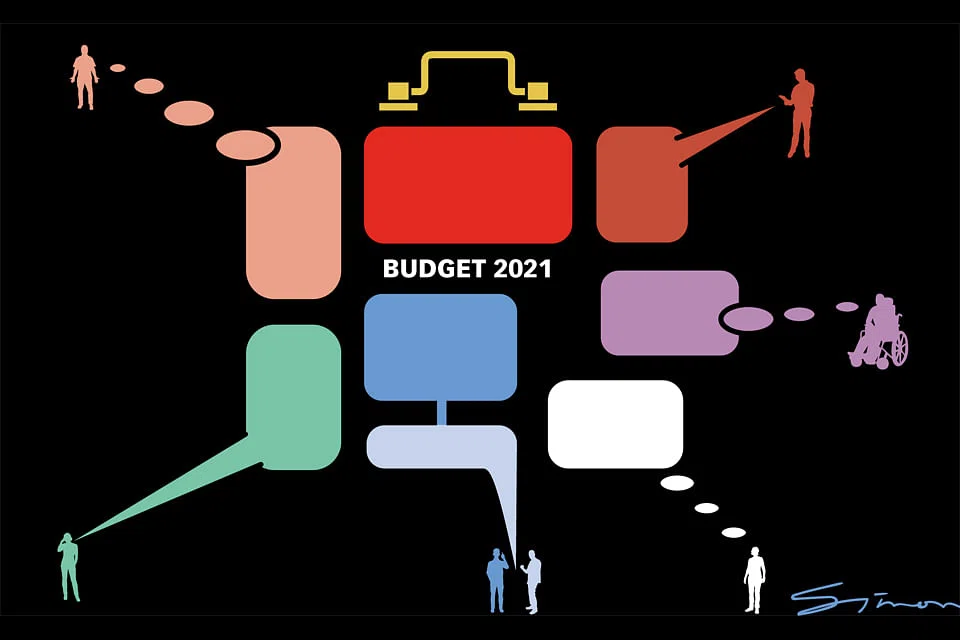
THIS WEEK'S TOPIC: What should be the focus of Singapore's Budget 2021? Is there any issue in particular you wish to see addressed?


THIS WEEK'S TOPIC: What should be the focus of Singapore's Budget 2021? Is there any issue in particular you wish to see addressed?
Patrick Lee Chief Executive Officer Standard Chartered Bank (Singapore)
2020 has been anything but business as usual, and we must brace ourselves for a prolonged period of uncertainty, change and gradual recovery. Singapore's Budget 2021 should focus on measures that will contribute to overall economic and social sustainability and enable Singapore to emerge stronger. To build for the long term, the Budget should focus on quality over quantity. Besides shorter-term measures like targeted relief for more affected businesses and individuals, concrete longer-term steps to transform and pivot the economy and workforce as well as secure against climate and cyber threats are critical.
Lawrence Loh Director, Centre for Governance and Sustainability NUS Business School
Budget 2021 will be like no other as Singapore begins to transit from a Covid to post-Covid world. Among various Budget thrusts and measures, one fundamental aspect is training and development. This will be the bedrock to inculcate the requisite skills for workers in the next era. Our focus thus far has rightly been to inculcate specific precise skills which are critical for immediate applications. However, what is even more important for the longer term will be the self-directed skill to continually acquire new skills - these are the higher-order ''meta-skills''. We thus need to move, in a balanced way, from the ''plug-and-play'' to a more ''playbook'' approach in training and development.
Victor Mills Chief Executive Singapore International Chamber of Commerce
The focus of Budget 2021 should be on social, economic and environmental sustainability. On initiatives to increase societal recognition of, and remuneration for, all those key workers who enable our lives: in healthcare, cleaning, transport, logistics and food security. On making our tax system even more progressive where the very wealthy pay more to help fund social and economic support measures. Where such measures are targeted to those who really need them. On initiatives to encourage investment in business creation and job creation to facilitate the transition of the economy to circular models of consumption and production and climate change mitigation.
Pascal Lambert Group Country Head, Singapore Head of South-east Asia and India Societe General Group
While it is crucial that this year's Budget focuses on building a more resilient Singapore emerging from Covid-19, there is also an opportunity to build a more sustainable economy.
As part of Societe Generale's mission to work with our clients to build a better and sustainable future through responsible and innovative financial solutions, we hope to see Budget 2021 press on with Singapore's efforts in sustainable development, namely economic growth with environmental protection and social inclusion.
In this aspect, we see Sustainable and Positive Impact Finance as a critical enabler of sustainability efforts in Singapore, Asia and across the world. We are confident that Singapore is well-positioned to support Asia's sustainability journey, particularly with strong government support through initiatives like the Monetary Authority of Singapore's Green Finance Action Plan. We hope Budget 2021 can strengthen Singapore's role in facilitating the financing of projects in Asia, that lead to a progressive transition to a low-carbon economy.
Ong Pang Thye Managing Partner KPMG in Singapore
As Singapore charts its recovery from the pandemic, Budget 2021 will have to strike a delicate balance between supporting businesses and workers, while maintaining a sustainable fiscal position. Hence, there should be targeted support to reskill and upskill the workforce, coupled with tax incentive packages to accelerate digital adoption. There also emerges the unique opportunity to set up a 3R framework to re-imagine the future, re-plan our strategies, and re-create Singapore in the new reality of a digital, contactless and sustainable world. This approach, coupled with the cultivation of an entrepreneurial spirit, will spur the country's transformation as a Smart Nation and as a global hub for supply chains and green finance.
Colin Brookes Senior Vice President, APJ Citrix
No matter how you label it - flexible, hybrid, remote, or virtual working - it's here to stay. While Singapore ranks among the top 10 countries for digital transformation, there is still room for improvement when it comes to providing the right flexible work experience. This means supporting organisations to transition towards digital business models, invest in digital skills and training, and intelligent workplace technology needed to cultivate a workforce that is empowered to adapt to changing conditions and innovate quickly - wherever they work from. As employees continue to adapt and embrace flexible work models in the long term, a higher level of importance should also be placed on employee well-being and mental health. It is only through a holistic approach that organisations and employees can reap the full benefits of new work models, and ultimately help the economy on the road to recovery.
Cecily Ng Area VP and GM Singapore Salesforce
As we look back at the challenges 2020 delivered we must also acknowledge the opportunities it presented to truly go digital. The Budget needs to recognise and acknowledge this renewed focus on digital and provide support for both citizens and businesses in Singapore to digitally transform. The future of Singapore's economy hinges on the continued adoption of data and tools that can provide insights to help leaders respond and plan as we move towards a post-pandemic future. The government needs to continue investing in digital literacy and skills training and partnering with the private sector to do so. Lastly, the government has an opportunity to invest in technology to effectively roll out the vaccines, making the process easily accessible, safe, scalable and mobile - placing the citizen at the heart of the process.
Thomas Holenia President Henkel Singapore
Over the past year, the Singapore government has strongly promoted life-long learning and the development of digital skills, especially through its SkillsFuture portal and various funding schemes. Furthermore, 2021 has been declared as the Year of Celebrating SG Women, and the Singapore Green Plan 2030 has been announced. At Henkel Singapore, we applaud these exciting moves, which mark the country's commitment towards developing future-ready talent and contributing to the global efforts of promoting diversity and inclusion and enabling a circular economy. These topics are at the top of our agenda and we look forward to seeing greater support for them in the upcoming Budget.
Pavlos Spyropoulos Chief Executive Officer Lloyd's Asia
Political momentum in support of a ''green recovery'' is proliferating internationally and Singapore has an opportunity to establish itself as a leading regional and potentially global centre for services and industries that will help economies and businesses transition towards sustainable models. Singapore is taking steps in this direction already through initiatives such as the Green Finance Industry Taskforce, convened by the Monetary Authority of Singapore; the 2021 Budget would be an opportunity for Singapore to make another strong statement on this agenda. It will also be interesting to see if the Budget will address systemic risk, both in terms of investing in measures to shield Singapore from future black swan events and also in terms of positioning Singapore as a centre of excellence for addressing systemic protection gaps in the region.
Jeffery Tan Group General Counsel Chief Sustainability Officer Jardine Cycle & Carriage
The pandemic challenges at the human level have thrown the spotlight on the importance of intangible but critical attributes like compassion, kindness and a deeper sense of kinship for our fellowmen and women in the country. These attributes are key to our collective success in overcoming Covid-19, building back better and becoming a more Caring, Compassionate and Collaborative community.
The Singapore Budget 2021 should focus the deserved attention to invest in and develop the social capital in this space - which will pay handsome community cohesion dividends and strengthen our social compact. We are, after all, only as strong as our weakest link. In the words and sagely wisdom of Senior Minister Tharman Shanmugaratnam, we are all ''our brothers' (and sisters') keeper''.
Dileep Nair Independent Director Thakral Corporation
Budget 2021 must be an expansionary budget, in both tactics as well as strategy. The immediate focus should be on putting our economic recovery on a firm footing by minimising job losses. This means continued assistance to those sectors that have suffered most, through grants, subsidies and tax reliefs. At the same time, the strategic aim of preparing for the future economy must not be lost. Businesses should be encouraged to innovate and make better use of technology, by offering generous financing schemes to automate and digitalise, and multiple pathways for workers to be retrained and reskilled. Our aim should be inclusive growth that is fairly shared across society, creating opportunities for all. Given our strong fiscal position, we can afford to provide multiple stimuli and incur a budgetary deficit without taking on any public debt. Budget 2021 could then be aptly called Singapore's ''Resurgent Budget''.
Mark Weaser Vice President Asia-Pacific OutSystems
While multiple support packages have been pushed out by the government last year to help businesses cushion the economic impact from the pandemic, businesses across the industries are still fighting hard to stay afloat. As we pivot for 2021 and beyond, our focus should shift away from firefighting and towards business recovery and transformation. To prepare for the future of the workplace, which is a hybrid model, we must place priority on bolstering businesses' efforts to adapt and upskill for the increasingly digital workforce and marketplace. As our economy gradually reopens, it is critically important that we also focus on digital solutions to ensure readiness in safe reopening.
Wendy Johnstone SVP & COO APAC Zendesk
Demand for digital convenience among consumers and businesses remains strong, which calls for more investment in new digital capabilities and solutions. Companies in Singapore must be able to tap on resources and tools that help propel productivity, innovation and long-term growth, while delivering the best customer experiences. Sectors that have traditionally been more reliant on offline settings, such as supermarkets or F&B (food and beverage) hawkers, have found themselves investing in new revenue streams via digital touchpoints like food delivery and mobile applications. Having the support to build greater resilience will promote pandemic-proof sustainable growth, and this Budget should supplement these efforts to capitalise on the right digital capabilities, helping the local economy flourish.
Long Jek Aun Singapore Office Head Simmons & Simmons JWS
Jobs. Careers. Opportunities. Livelihoods. The coronavirus pandemic has disrupted lives at home and at work, compelling the rethinking of priorities and accelerating digital transformation in so many ways. In these uncertain times, venturing forward requires a certain tenacity and boldness of heart. Hopefully, the national Budget 2021 should seek to drive the development of Singapore's workforce of tomorrow as she reimagines the future to come across all industries and sectors, be it in manufacturing, financial services, health/life sciences, education/academia, professional services, telecommunications/media/technology, hospitality, transport, among others. The fruits of these efforts will include an engaged workforce and citizenry and sustainable prosperity.
Janson Chen Chief Executive Officer SWAG EV Co Ltd
While last year's Budget was encouraging for the electric vehicles (EV) space in Singapore, we need to take even greater strides towards greener transportation options in 2021. To make EVs a reality on our roads, two key parts need to converge. A key first step would be to drive wider EV adoption. To encourage Singaporeans to make the switch from ICE (internal combustion engine) vehicles, we need to incentivise them through subsidies. Secondly, creating a conducive ecosystem for EV players to develop will be crucial. The government can help steer this direction and look at offering tax incentives to manufacturers to providing funding to help EV startups develop innovative new solutions, powered by new technologies, that will put Singapore on the world map.
Joey Lim VP, Commercial - Asia Lark
Singapore has excelled at the biggest work-from-home experiment of our time. Our study reveals that what started as a short-term measure is what PMEs (professionals, managers and executives) expect moving forward. While the nation is poised to offer flexible work arrangements for the long term, more can be done to ensure that technology and clear communication enable a positive work environment. As organisations find ways to adapt to the new work model, additional support is needed to help integrate new practices, skills and the right digital tools that enable work efficiency and productivity. Beyond that, providing incentives for employees' mental health support should be considered, given the environment we operate in today.
Warren Hayashi President, Asia-Pacific Adyen
Having an online presence and offering cashless payments have become a necessity and a reality for most retailers. That means the next stage in the retail battle as we enter the recovery period will be about who can get customers coming back for more. Retailers must recognise that technology exists to enable new ways to engage consumers and to offer a superior experience across consumer touchpoints, whether in-store or online. Measures to support the sector should put more emphasis on encouraging agile systems and utilising technology effectively. It is crucial, particularly for retailers new to online, that all their sales channels integrate seamlessly to provide actionable insight. This will be a key enabler and driver for sustainable growth.
Melanie Cook Managing Director - Asia-Pacific Hyper Island
With technology advancing exponentially, some new vital skills will need mastering in entire communities (and organisations). Critical thinking, curiosity and creativity are at the top of the list. As a business school, we know that these skills are not acquired overnight, especially for adults, but cultivated over time with awareness, consistency, and discipline. That is when sustainable change happens. Everyone knows we need to change, everyone says we must change, yet very few accomplish it. If the pandemic has taught us anything, it is that we can no longer afford to procrastinate. We have seen numerous learners benefit taking responsibility for their digital transformation journey last year through education grants and SkillsFuture credits. If we want to build a resilient nation then the government will need to continue down this path to help individuals and companies deal with and make sense of the digital future before them.
Isabel Chong Country Manager for SEA Eaton
It's encouraging to see the government reinforcing its sustainability commitment with the recently announced Singapore Green Plan 2030. This is critical given the burgeoning demand for power to sustain pandemic-accelerated digitalisation across all industries. From increasing interconnectivity to having more data centres, sustainable growth for the digital economy is necessary to mitigate pressing climate concerns.
In charting out Singapore's sustainability roadmap, it's important to recognise the different levels of technical, manpower and financial resources organisations have to tackle this challenge. I'm optimistic the government will respond with initiatives that will encourage meaningful collaboration to make the Green Plan a reality as more companies prioritise sustainability.
Lee Ming Kai Head, Systems Engineering, APAC Juniper Networks
As Singapore grappled with the pandemic in 2020, businesses were forced to ramp up workforce policies, and pivot business strategies to stay afloat. Whether it is simplifying work processes through cloud-enabled tools, deploying smarter artificial intelligence-driven networks, or implementing robust proximity tracing measures, businesses have achieved greater agility and adaptability in operations.
But as more workers return to the workforce or celebrate the upcoming festivities, proximity tracing solutions will be critical in restoring normalcy by ensuring the safety of all Singaporeans. Maintaining Covid-19 safety protocols and deploying advanced technology solutions driven by AI will be decisive factors in accelerating business growth in a post-Covid world, and the government will do well in supporting these efforts.
Vikas Nahata Co-Founder and Executive Chairman Validus Capital
Given the uncertain nature of the times we live in, it may need to be a series of mini budgets as the situation unfolds. I believe the focus should be on digital adoption by businesses and preparing Singapore for a new normal. Grants are helpful, but at times they can become difficult to administer. Support for SMEs is paramount, especially those that show resilience in these times. Rent is one of the most expensive line items in the budgets of small businesses, so it would be good to see if the Budget can support SMEs in that area.
Toby Koh Group MD Ademco Security Group
The Singapore government's call for local firms to go regional, if not global, has been echoed for the last two decades. Hunting in a pack was and still is the cry. Not many successes in a pack, but individual firms have achieved varied degrees of success overseas on their own merit. I hope that this year's Budget will help local SMEs that have proven overseas track records with affordable funding and perhaps some risk support.
Derrick Chang Chief Executive Officer PSB Academy
The Covid-19 pandemic has accelerated the use of technology and digitisation. As we embark on the road to recovery in 2021, we are only going to see sustained use of technologies as companies reconfigure their businesses to the new ways of working. Thus, we need to continue preparing and adapting the workforce to the requirements of digitisation and other technologies. We hope that Budget 2021 continues to place renewed focus on the workforce to encourage individuals - students, mid-career professionals and seniors - to reskill and upskill in preparation for the future world economy. By providing the necessary resources they need to constantly learn, unlearn and relearn, we are able to equip our workforce with the 21st century skills needed for the dynamic economic landscape and uplift this generation of workforce.
Sumit Bansal MD, Asean and Korea Sophos
Cyberthreats and attacker behaviours have emerged and evolved. The technological progress we've witnessed in information security would not be possible if not for the professionals who work tirelessly to make the Internet safer and more secure. 2021 is looking to be the year for more robust and accelerated digital transformation initiatives to expand and strengthen the remote workforce capabilities and resilience. There has been an increase in cybersecurity-related job postings in Singapore last year - highlighting the talent gap that exposes businesses to threats. We need to see more public and private companies coming together to address this issue.
Ronnie Lee General Manager Lenovo Singapore
As the pandemic remains fluid and is expected to be for the next few years, the world continues to rely on the digital way to work and learn from home. We hope that the Singapore Budget 2021 will further encourage active use of technology to empower our daily lives in the new normal, by empowering business organisations and education institutions and enabling them to put in place the necessary IT infrastructure to effectively support hybrid working and learning. Not only that, new technologies such as augmented reality can also be tapped into to benefit extended working and learning from home in a safe way.
Aung Kyaw Moe Founder and CEO 2C2P
We expect that the Budget will focus on ensuring a smooth economic recovery as Singapore prepares for a post-pandemic normal. We hope that the Budget will reinforce Singapore's commitment to its Smart Nation initiative as the pandemic has underscored the need for businesses to be agile and prepared for a digital economy.
The Budget is also a reflection of the government's priorities for years to come. We welcome the Monetary Authority of Singapore's swift licence issuance to foster continuous financial innovation. We hope to see a larger focus on the financial services sector, with enhanced tax measures that would spur financial innovation critical for this industry's continued growth.
Alvin Ea Co-founder and CEO Haulio
With the world in lockdown, the logistics sector has had to adapt and thrive in this never normal. For us to continue to do so, we hope that the government will focus on increasing support in digital transformation and recruitment. As a technology enabler to the container logistics industry, we advocate greater financial support towards driving digitalisation and training, especially in areas such as fleet management. We believe through greater collaboration across agencies, associations and statutory boards, we can coordinate better in our efforts to push for greater adoption of new technologies to better optimise resources and improve efficiencies. Further, in our niche industry we expect the manpower crunch to continue - for example, where we need drivers with a Class 4/5 licence to navigate a prime mover. Unfortunately, not many Singaporeans possess the specialised technical skills required, and with the foreign worker quota currently falling under the umbrella of the broad services sector, we are inadvertently crippled by the skills shortage. This needs to change, ideally with the logistics sector falling under its own separate category and quota, so we can push forward in 2021 and beyond in the post-pandemic world.
Geoff Thomas SVP, Asia-Pacific Qlik
Singapore's Smart Nation pursuit has brought up pertinent discussions about data privacy, and this has become more pronounced amid the pandemic. To achieve success, nationwide digitalisation needs to go hand in hand with a robust and transparent framework for data access and usage. Data literacy education is important for data privacy management and can empower individuals to ask the right questions and think twice about the value they are receiving before signing away their privacy. Analytics also has a role to play as it can help governance teams visualise and manage who has access to what information and if the access is relevant.
As data becomes increasingly critical to every stage of the decision-making process, it must also become increasingly trustworthy for everyone. I hope that Budget 2021 can dive deeper into data protection and outline policies and processes to nurture public trust.
Lee Fook Chiew Chief Executive Officer Institute of Singapore Chartered Accountants (ISCA)
Budget 2021 should focus on positioning Singapore to emerge stronger from the Covid-19 pandemic. It is more crucial than ever for Singapore to accelerate its innovation and digital transformation efforts as well as its industry transformation plans. Trade associations and chambers (TACs) are vital links between the government and business communities, and they can play an important role in driving these efforts. Although there is currently some support rendered to TACs, more can be done to channel the government's funding to TACs to help their industries and members during these challenging times.
For example, with more funding, TACs will be better resourced to hand-hold members in their digitalisation efforts to prepare them for recovery. Budget 2021 can give TACs a real boost with more funding provided. The additional funding will go a long way towards helping TACs develop and drive relevant initiatives congruent with Singapore's long-term growth plans.
Samit Chopra MD, International (EMEA & Pacific) Strategy and Operations WeWork
Proactive action and spending by the government have cushioned Singapore from the economic consequences of the pandemic. Now, in order to ensure strong business recovery and spur growth, the current moment calls for a degree of flexibility and agility - even as we continue to navigate uncertainties related to Covid-19. For many sectors, in-person interactions and bringing people safely back into workplaces remains crucial to revival, and so I would like to see the Budget advocate and support a more flexible approach to the workplace in a way that advances business goals and company culture.
Jagdish Mahapatra Managing Director (Asia) CrowdStrike
In Singapore Budget 2021, we hope to see a focus on how organisations should adopt a ''zero trust'' approach to cybersecurity. Similarly, the dialogue surrounding the mitigation of cybersecurity risks via increased support for cybersecurity talent and infrastructure, and a continuation and expansion of existing processes, such as the recently revised Technology Risk Management Guidelines, should continue to be a key focus.
Following the spate of cybersecurity breaches around the world, it is crucial that organisations increase efforts to safeguard themselves, and Singapore, against the threat of cyber attacks.
Kunal Chatterjee Country Manager, Singapore and Brunei Visa
The upcoming Budget 2021 should continue to build on the great initiatives introduced last year that helped local SMBs (small and micro businesses) embrace technological solutions to adapt to changes in consumer behaviour and preferences. In Visa's recent Back to Business Study, we found that 91 per cent of SMBs surveyed in Singapore had adopted new forms of digital technology by the end of 2020. Visa's Where You Shop Matters campaign was also introduced last year to encourage more SMEs (small and medium-sized enterprises) to digitalise. The measures introduced in Budget 2021 should help to continue this momentum, and will ultimately build a more resilient and adaptable SMB community in Singapore.
Keith Choy Regional Head, Asia-Pacific GSK Consumer Healthcare
Singapore has done well in its fight against Covid-19. As our focus shifts towards recovery, it is important to also focus on the wellbeing of our population. This responsibility does not lie solely with the government, but also with companies and individuals. Companies need to keep innovating to deliver better healthcare products and solutions. Public health initiatives can be more targeted to empower consumers to take more control of decisions around their own health - for example, by increasing overall health literacy, encouraging digital adoption and adoption of self-care practices so that Singaporeans can enjoy better everyday health. This will help in alleviating the stress on the healthcare system, freeing up healthcare resources to serve other critical needs.
Kannan Chettiar Managing Director Avvanz
As an SME business owner who wants to expand further into more countries, it would be great if the government supports us with grants to cover company registration, setup, hiring and business expansion-related costs. We have noted a scaling-down of such grants instead and this hurts our internationalisation plans. Companies should be incentivised to work with Singapore SMEs as SMEs contribute significantly to the gross domestic product (GDP) and employ about 70 per cent of the workforce. More grants can be provided to encourage companies to hasten digital transformation and adopt technologies like AI, RPA (robotic process automation) and Big Data.
Chuin Ting Weber CEO and CIO MoneyOwl
I hope that the 2021 Budget can address the areas of quality jobs, workforce skills training and digital capabilities. Our income is often the most important financial asset that enables us to live meaningfully now, while saving enough for our future retirement. The creation of good jobs and continuous upgrading of skills are therefore key national imperatives - their importance has been underscored in Singapore's efforts to mitigate the impact of Covid-19. The pandemic has also made digitalisation a fundamental part of our daily lives, but for groups struggling to adopt digital initiatives, I hope the Budget can also offer support.
George Lee VP, Asia-Pacific and Japan RSA
Any form of digital transformation initiative will open ''cyber floodgates'', and the current pandemic has tested the resilience of organisations across sectors against cyber attacks. While several regulations and programmes to secure Singapore's cyberspace are already in place, the government must continue to partner and work collaboratively with organisations to ensure that the city-state remains a safe and secure place to do business in a digital economy. A holistic cybersecurity ecosystem is not just about allocating the right resources, but one that cuts across traditional institutional boundaries and encourages participation of end-users to become custodians of their own data and privacy.
Stephen McNulty President, Asia-Pacific and Japan Micro Focus
The pandemic has accelerated the pace of innovation across different industries, and businesses will continue to prioritise digitalisation efforts for future growth.
Businesses that were significantly impacted by Covid-19 - especially in industries like travel, hospitality and healthcare - will need to focus on digital transformation to achieve greater resilience. Government initiatives have been invaluable in encouraging the adoption of cutting-edge solutions. For instance, investments in hyper-connectivity and creating omnichannel experiences will help organisations to truly innovate fast, stay competitive and overcome the effects of the crisis.
Going forward, it is critical to continue promoting and providing incentives to fuel the push for innovation, so that businesses are equipped to remain resilient in this changing landscape while driving Singapore's economic recovery.
Nick Lim GM, APJ TIBCO
It is remarkable how the Singapore government was able to roll out a series of enhanced measures and initiatives to help various sectors better respond to challenges caused by the pandemic. As the country journeys on in the ''new normal'', more investments towards bridging the wide gap in data and information technology skills - both in academics and the workforce - should be prioritised.
We are seeing business analytics emerging as a vital trend in the region; and hiring talent with world-class skill sets is a demanding challenge for companies. To address this, it would be great to see a focus on programmes and strategic partnerships that produce a new generation of employable students. There should also be initiatives to upskill highly competent employees and equip them with the right digital skills to excel in this data-driven economy.
Edmund Lee Managing Director, Singapore TMF Group
The government issued several rounds of broad Budgetary relief measures over 2020 with a high degree of responsiveness and flexibility to the evolving Covid-19 situation. While such emergency relief measures cannot continue indefinitely, several sectors continue to struggle (for example, travel and tourism). We hope the 2021 Budget will continue such relief measures, but on a targeted basis to the most impacted sectors.
Beyond short-term relief, we also hope the government will continue with measures to encourage digital innovation and employee upskilling to maintain Singapore's competitive edge in the longer term.
Singapore has been a bastion of stability during these troubling times and for 2021 must maintain a high degree of flexibility with Budgetary revisions, should the need arise.
Charles H Ferguson General Manager, Asia-Pacific Globalization Partners
I trust the Singapore government will continue to allocate considerable attention and budget to training, upskilling and reskilling Singaporeans to help them stay relevant, and support especially those who are transitioning to new jobs. With remote and hybrid work trends, a new avenue could be to elevate and showcase Singapore talent to the global talent landscape to work locally and internationally. As a result of the pandemic, the other national emergency is the future of the Singapore economy. Thanks to public and private partnerships, much is already being done to help convert mid-career roles into post-pandemic relevant jobs, technology roles, for instance. But there are still way too many who are unable to cope. It is my hope that the government can develop customised programmes to support individuals and SMBs that are finding it more challenging to adapt to the accelerated pace of change today.
Praveen Kumar General Manager, Asia-Pacific ASG Technologies
The digital economy has always been an important facet for Singapore. The pandemic confirmed this fact, if not heightened it. As remote work in the country multiplied nearly overnight, public agencies and private companies required - and many lacked - visibility and governance tools to protect their most important asset: information. The need for a secure IT infrastructure grew exponentially; while content and data management were no longer just top priorities, they became essentials for survival. Therefore, in the Singapore Budget for 2021, we believe that the nation should continue with its aggressive digital transformation. It must sustain its investments in technologies and programmes that will support its growth as a fully digital nation.
Stu Garrow SVP and General Manager APAC Talend
The pandemic taught nations to become more data-focused in their approach to public services, health, and economic recovery. The situation called for data-centric initiatives to build on the successes of the government and businesses working together to implement digital transformation. However, a nation's strong vision for a digital economy remains in peril if its data infrastructure continues to be threatened.
In Singapore's Budget 2021, we wish for the country's public agencies to focus on strong data governance programmes that are pivotal and part of the landscape for data protection and privacy compliance. Protecting government, organisational and personal data, as well as providing timely data that users can rely on and trust, is critical and imperative in the new normal. As such, we wish that the Budget would include improvement in information practices and initiatives that underlie data trust, data governance and data protection frameworks.
Adam Judd Senior Vice President, APCJ F5
If 2020 was one of digital transformation and innovation, 2021 will be about securing our digital infrastructures. We are still witnessing grave cybersecurity threats, like the SolarWinds breach, and the upcoming Budget needs a renewed focus on the country's Smart Nation agenda, specifically around cybersecurity.
While investments around 5G and cybersecurity were a focus pre-pandemic, the need to accelerate these initiatives is even more evident in a post-pandemic era. Sustained investment to strengthen these capabilities will be a cornerstone in helping the economy bounce back faster and stronger. As technology advancements accelerate, so do cyber threats.
Two aspects will be crucial. Firstly, ensuring that business applications can adapt and evolve according to business needs. Secondly, establishing robust cybersecurity plans that leverage emerging technologies like AI will allow us to stay ahead of the curve.
Asheesh Chanda CEO and Founder Kristal.AI
The year 2020 saw the government rolling out exceptional urgent relief measures; however, the ever-evolving global and regional conditions are likely to continue and budgets will have to be planned with this in mind. Policymaking and digital innovation will thus go hand in hand in 2021 to improve productivity and overall economic recovery. A mix of strategic actions and goals, combined with tactical measures, will afford Singapore the flexibility to prepare for multiple eventualities. Informed decision-making and timely execution will be the most important step in achieving economic stability.
Terry Smagh SVP and GM, Asia-Pacific and Japan BlackLine
The need for speed and adaptability to keep businesses afloat last year has prompted the government to introduce initiatives to accelerate digitalisation efforts, including automation. Despite the economic slowdown, it has become an imperative for businesses to digitalise and automate their finance function to make data-based decisions in the fast-changing market environment.
The finance function is increasingly called upon to help with scenario planning and forecasts, which are critical for business recovery. Industry and academia should work together to develop the next generation of tech-savvy finance talent who are ready to thrive in an environment characterised by constant disruption.
Yu Tat Ming Chief Executive Officer PacificLight Power
Aside from measures to help Singapore remain economically resilient in a post-Covid world, we hope to see Budget 2021 continue to build upon our ongoing transformation towards a low-carbon and more sustainable Singapore.
It's vital we work collectively to prevent irreversible damage from climate change that could significantly impact our health, supply chains and economy - not unlike the current pandemic. PacificLight supports a Budget geared towards a long-term sustainable future by helping carbon-intensive industries, such as power generation, adopt best-in-class technology and practices; the public to switch to sustainable transportation; and businesses to nurture R&D (research and development) capabilities related to energy efficiency and environmental initiatives.
Jonathan Jackson Director, Engineering, APJ BlackBerry
Automated, on-demand mobility will shape Singapore's transport landscape in the coming years by giving consumers more choices and flexibility in how they get from one place to the other. It can provide greater ride-sharing or link multiple types of transportation together, among other benefits. As connected transportation technology develops, it will increasingly require effective cybersecurity to protect the expanding attack surface. Active efforts are underway to secure consumer devices to support the digital economy, and the next step will be to secure the vehicles and digital infrastructure that make up the backbone of a smart city.
Motohiko Uno President Fujitsu Asia
Singapore has been gearing towards digital adoption and a high value-add economy. While the pandemic has caused disruptions, it has also validated and accelerated the realisation of this ambition. Openness, transparency and the introduction of policies and standards that contribute towards establishing a trusted digital ecosystem will remain critical in this endeavour. Measures to help companies harness technology and innovation to reimagine the traditional way of business will be a much-needed boost for companies to pivot from risk and add value. While we focus on helping sectors that were hardest hit by the pandemic, we shouldn't lose sight of the long-term plan in keeping Singapore competitive on the global stage - one that Singapore has been successful thus far in adopting a multi-pronged approach to address the demands of the new world.
Julian Quinn SVP, Asia-Pacific and Japan Alteryx
There will be an increased emphasis on digital transformation as Singapore recovers from the pandemic, which will fundamentally reshape businesses, its economy, and even society. But to fully harness the benefits of this transformation, the government must also focus on using advanced analytics as a strategic tool to guide policy decision-making - be it in combating pressing issues such as climate change, delivering the Covid-19 vaccine to the public and other essential services, as well as empowering organisations to rebuild and bounce back. This data-driven approach is crucial and will underpin Singapore's Smart Nation initiative even beyond the post-pandemic era.
Nilesh Jain VP for South-east Asia and India Trend Micro Singapore
Cybersecurity is both an imperative concern and opportunity in Singapore's digital economy. The Covid-19 outbreak forced us to turn our homes into office spaces, causing an increase in cyber incidents such as ransomware and phishing by threat actors looking to steal personal data for a profit. It is critical for the nation to create a trusted cyber environment comprising of a highly-skilled IT workforce, advanced technological infrastructure, and strong research collaborations with threat experts. Only then can we sustain public confidence in our Smart Nation - one that is underpinned by trustworthy technology and foresight.
Loh Ming Kit General Manager, SE Asia Johnson Controls
The long pandemic has accelerated and cemented the need for digital adoption. As a result of this digitalisation acceleration, data and privacy management has become one of the key issues for the built environment. How we address this will be critical in shoring up confidence for technology adoption and facilitating innovation.
In addition, long-term initiatives to increase the health profile of our built environments will have to simultaneously address sustainability goals. Any stimulus packages from Budget 2021 provided to the built environment industry, in particular, should incentivise and enable the sector to meet the heightened call for more stringent environmental, social and governance standards.
Naveen Menon President, Asean Cisco
As a leading regional hub for innovation and transformation, Singapore should have a continued focus on education, digital infrastructure and cybersecurity as key priorities in its Budget this year. 2020 has shown how fragile the local economic and social situation can be: job security was a priority in 2020, but the focus should be different in 2021. Firstly, Singapore will need to upgrade its underlying infrastructure to enable the continued digitisation of critical public services, education, healthcare, logistics and manufacturing. Secondly, the Budget should ensure continued investment to support workers who were displaced due to the pandemic or the rapid digitisation of industries. Direct investment towards filling the talent gap in the technology sector, from data science to cybersecurity, is another key area to address. Lastly, the Budget should allocate significant investments into the SME sector, the lifeblood of the economy.
I have been impressed by how the Singapore government has managed to navigate the pandemic safely, with prudence and pragmatism, but the focus now will be to pivot sharply to enhance long-term innovation and sustainable growth.
Matthew Bennett VP and MD, Asia-Pacific and Japan VMWare Carbon Black
Singapore has made notable strides in strengthening its cybersecurity posture, but more can be done to bridge the nation's growing skills gap. The hybrid workforce - which is likely to stay - has created greater attack surfaces for hackers to penetrate, intensifying the already complex cyber threat landscape. The responsibility of security is now distributed to everyone within enterprises and every user must be prepared for malicious attempts.
In Budget 2021, I hope to see reskilling and upskilling initiatives specific to cybersecurity, as well as other forms of support to bridge this growing talent gap and strengthen the nation's cyber capabilities. Cybersecurity will continue to gain increasing importance in the future of work and will underpin Singapore's vision of a digital economy.
Henry Low Country Manager Amazon Singapore
SMBs are the lifeblood of Singapore's economy. In 2021, we hope to see more support for SMBs embracing digitalisation. While individuals cannot travel due to pandemic considerations, products can still travel with e-commerce. SMBs should seize this growth opportunity by selling online, starting locally and expanding in overseas marketplaces.
We saw over 3,000 Singapore registrants for Amazon's recent Southeast Asia Online Seller Summit, highlighting the significant interest in e-commerce. As Amazon empowers SMBs to reach a wider, global customer base, we are excited to work closely with the government to develop Singapore as a global e-commerce hub.
I am confident that Budget 2021 will see greater government support and collaboration opportunities so local SMBs are equipped with the skillset to build globally thriving businesses, as part of Singapore's growth strategy.
Lee Siang Chief Executive Officer Dyslexia Association of Singapore
While we will inevitably focus on getting the economy back on track, Singapore must also continue to invest in our future. One of the key investments should be in our children, especially those who are disadvantaged. The Dyslexia Association of Singapore often works with youths who face a double disadvantage - they are impacted by both their Specific Learning Differences and their families' limited financial resources. Providing support to these children across age groups with a range of programmes and services will be most important for Singapore to ensure that every child from our small population can go on to maximise his or her contribution to the nation.
Alper Turken SVP, Service Provider, Asia-Pacific CommScope
Covid-19 has widened the digital divide in our society and closing this gap would be an urgent priority for Singapore in 2021. Broadband connectivity is playing a key role as an enabler of economic growth across communities - such connectivity will be the difference between success and failure, particularly for smaller, home-based businesses, enabling them to reach a wider audience. With the lines between ''home'' and ''office'' increasingly blurred with remote working, having access to affordable high-speed connectivity will be crucial for the economy to thrive.
Initiatives to accelerate Singapore's 5G rollout will also be important to further strengthen our position as a regional hub for innovation.
David Chan Managing Director AdNovum Singapore
The pandemic has left countries and organisations with an unpredictable economy ahead. Singapore's Budget 2021 should continue to be largely focused on assisting businesses and individuals to cope and emerge in the post-Covid-19 world, especially with structural reforms. Further support should be given for businesses to capitalise and adopt new technologies, capabilities and innovations.
Preparing the organisation to manage the ecosystem with agility, resilience and digital governance is essential. Speeding up the digital journey on process automation, equipping employees with new digital skillsets and eventually towards data-driven organisations will be the key drivers for Singapore's digital economy in a post-Covid-19 world.
Lim Soon Hock Managing Director PLAN-B ICAG
There is still much uncertainty ahead, given that the pandemic is likely to rage on for at least another year globally until much of the world is vaccinated. It is therefore prudent for the Budget to remain anchored on ground zero to support individuals and families, as well as businesses, that deserve financial assistance. Our strong foundation built by the tripartite partnership of the public, private, and people sectors over the years that took Singapore to where it is today, must be preserved, as a No 1 priority. It is heartening to know that there is still some balance from the S$100 billion set aside to ride the pandemic, but if more is needed, the government should not hesitate to do so. That said, individuals should use the opportunity to upskill or be reskilled for the new normal, while businesses should also play their part to transform to operate in the new digital economy, by taking advantage of various government schemes and grants.
David Leong Managing Director PeopleWorldwide Consulting
The 2021 Budget should be about recovery, resilience and restructuring the economy and job market. The slew of budgetary supports last year was targeted to uplift lives when the entire global economy, including Singapore's, came to a grinding halt. Jobs needed to be saved, fluidity needed to be pumped into the system.
This year's Budget needs to feature recuperative packages to help businesses on revival though certain sectors - airlines and hospitality including sub-sectors like entertainment joints - will not be seeing daylight just yet. The dark night is long for these affected groups. The Budget needs to cater to workers to restructure jobs for them and to encourage employers to hire locals first and to keep our core strong. The Budget is an effective tool to incentivise employers into hiring displaced, older and fresh graduates. The degree and quantum of financial support to train for adaptability and assimilation will shift hiring behaviour. It will be a revival and resilience Budget.
Annie Yap Founder and Chairman AYP Group
I believe there shouldn't not be a single focus for Singapore's Budget 2021. So many sectors and members of the community have been affected by the Covid-19 pandemic and some of them should continue to be supported. We also need to help the vulnerable. That said, one issue in particular that should be addressed would be sustainability. Given recent developments in the agri-tech sector, investing in sustainability would not only be a good way to create more jobs and complement the economy, but it will also help the country meet sustainability goals.
Anton Ravindran Founder SmartLaw
Digitisation is on everyone's lips and considered ubiquitous today but ironically it also looks different everywhere, particularly in the SME sector. This is largely because digitisation encapsulates diverse technologies requiring diverse skill sets and is specific to each industry. SMEs employ nearly 65 per cent of the workforce and their future, even survival, will depend on increasing their digital footprint.
Contrary to the popular belief that Covid-19 has accelerated digital transformation, recent studies have indicated that the take-up rate has slowed because enterprises have had to shelve digital transformation initiatives as they have been faced with loss of business and revenues. SMEs need more funding and support to enable them to acquire a wide range of diverse skills in order to jumpstart their digitisation journey.
Jay Ng Chief Executive Officer WeShine
The base of society has been affected more severely financially, emotionally, and mentally because of Covid-19. At the same time, we have seen how essential the base of society is to the well-functioning of our country. Budget 2021 can be more targeted towards individuals and families with a direct line of assistance. At the same time, WeShine is supporting the effort by utilising technology to reduce friction of people, skills and jobs for these individuals and families. We believe that government policy together with private sector innovation allows for dignified work and better equality of life for all.
This is Part 1 of the responses.
Part 2 will be published on Feb 15.