Showing care and concern
THIS WEEK'S TOPIC: How may employers best support their staff's mental well-being, especially in a crisis?
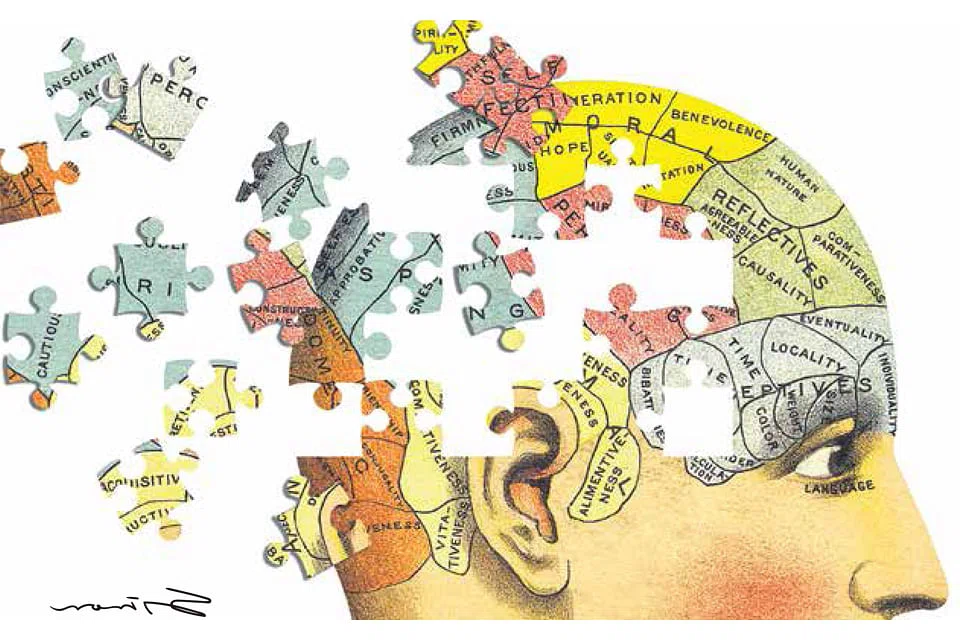


THIS WEEK'S TOPIC: How may employers best support their staff's mental well-being, especially in a crisis?
Tripti Lochan Co-CEO VMLY&R Asia
WHAT we are really fighting is fear. Fear of uncertainty for our health, our families, our jobs and the length of time we will need to continue in this new normal. Fear triggers anxiety, even depression. Taking an approach with compassion at the core is crucial.
It's never been more important to be connected as human beings, which means increasing our communications to let teams know they have our support in putting their mental health first, embracing a healthy worklife balance, with creativity, exercise and rest.
And during these stressful times, creating fun and humour through virtual events, while celebrating our people and the great work they do to inspire, raise spirits and bring back cheer, lets our teams know that we are in this together.
Sebastian Mueller COO & Co-Founder MING Labs
RATES of anxiety and depression are highest when people feel powerless. Mental health suffers when we are at the whim of events and higher powers. We crave control over our fate. Employers need to carefully integrate their staff in significant decisions that are made in times of crisis. They need to ensure that people feel heard, and that their input is respected and ideally implemented. The best is to make people part of their change needed. Where feasible, ask your staff to come up with ideas and suggestions. That gives them the feeling of being in control, which is crucial.
Yeoh Oon Jin Executive Chairman PwC Singapore
During trying times like these, it's more important than ever to ensure that our people's well-being remains our top priority, and that our actions reinforce our core value of care for our people. At PwC, we have amplified our two-way communications and support for our people; through sharing stories on working in this new normal, conducting pulse surveys and regular virtual interactions to stay connected as well as providing a 24-hour helpline for those who need psychological support.
It's good to walk the talk by supplementing HR policies to provide both broadbased and special support for those who need it the most. For example, we've expanded some existing staff benefits to cover a wider range of expenses, from medical to equipment that will help increase productivity and efficiency when working from home, as well as a special care fund for those who are undergoing financial hardship.
Teo Lay Lim Country MD, Southeast Asia Accenture
During this time, responsible leadership has taken on a far deeper meaning. Employees need help feeling they are empowered to do what is necessary to keep themselves and their family safe and well. Asking early and often what employees need or are concerned about will help leadership teams determine best actions.
It comes down to feeling safe while working, the most basic of human needs. And beyond safety, to leaders supporting their teams' well-being.
Leaders should create an environment where people feel safe talking about their mental health and challenges they are facing.
Companies with existing resources such as counselling services will be well placed to provide support to those who may be living alone or juggling family demands. At Accenture, we have mental health allies to support people in need and daily creative classes for children so parents can take a breather.
Consistent, transparent and clear communication from leadership at all levels for productivity and mental health is paramount. This is a time for leaders to show what responsible leadership is and gain hearts, minds and engagement of their employees.
John Bittleston Founder and Chair Terrific Mentors International Pte Ltd
In a storm we look for a sign that someone strong, who knows what they are doing, is in charge. Confidence in the leader is what keeps people sane. The leader must contact his followers frequently so they remember he is there, but not so often that they think he has stopped navigating. Transparency and truth are the leader's messages. His final balm will be to remember a detail about each person.
The Supreme Allied Commander in World War II would often meet men he had met before. His aide-de-camp quietly prompted him. Leaning towards the man, General Eisenhower would say ''And how's the old trouble?'' There always had been one.
Victor Mills Chief Executive Singapore International Chamber of Commerce
Before the current crisis, not many employers cared about their employees' mental health or their own for that matter. That is why mental health has deteriorated in recent decades. Things are changing for the better because of the disruption caused by Covid-19 and the added stress everyone is under.
It is every leader's job to support their own and their employees' mental health. Be empathetic. Tell yourself and your colleagues with young children you understand availability and performance at home will not be the same as that in the office. Give the same message to your colleagues with elderly or ill relatives at home.
Cheung Pui Yuen Chief Executive Officer Deloitte Singapore
The mental well-being of employees should be top priority for all companies, particularly so in a crisis as it is all the more crucial to maintain an inclusive culture where everyone feels cared for and that they have a part to play to see the company through the challenges. Having an employee well-being portal is a good place to start, where staff can go to draw on resources that can help them stay healthy mentally.
More importantly, at this time people need to feel a personal touch. Leaders should take the time to ask their team members about their well-being instead of just focusing on the work, and share with them how they are personally coping. Doing this regularly will help open up conversations and provide support to those who may be struggling during this period.
Takehiko Ryu Managing Director Panasonic Asia Pacific Pte Ltd
In challenging times, it is more important than ever to care for the mental well-being of our employees. By maintaining open communication channels with employees across levels, and ensuring that their health is being looked after, employees can receive the assurance to be more engaged at work.
At Panasonic, we make it a point to share regular company updates along with encouraging messages to lift the overall mood of our staff and help them adapt to remote working and manage their mental health. We also encourage our employees to practise self-care by adopting a healthy routine for diet, exercise and relaxation while working from home.
Christopher Wehner Managing Director BMW Group Asia
Communication is essential during this period. While HOW we communicate is important, it's more important to keep in mind WHAT we communicate.
First, we need to instill confidence by providing clear direction on how we'll come through the crisis. Second, we need to discuss how working from home is impacting our employees, personally, and what we can do to help address the challenges. Finally, we need to engage employees in social activities, whether it be sharing recipes, organising virtual lunches, or encouraging family activities.
These transparent conversations and engagements motivate employees and strengthen camaraderie that is much needed right now to support the mental well-being of employees.
Ho Yat-Wai Country Manager American Express Singapore
American Express' top priority is to take care of our colleagues' health and safety including their mental and emotional well-being. As part of our standard benefits, we offer virtual counselling for staff and their families. With almost everyone working from home, we expanded our programmes to include regular well-being webinars that cover home exercises, emotional resilience, ergonomics, meditation and much more.
This is an unprecedented time. Everyone is navigating many unknowns and adjusting to the new normal. The line between professional and personal responsibilities can often feel blurred when people work virtually over a long period of time. So we encourage our colleagues to take time off to de-stress and enjoy some personal time. We also provide constant Covid-19 updates and have reassured our colleagues that there will be no Covid-19-related layoffs for the remainder of 2020.
Patrick Lee Chief Executive Officer Standard Chartered Bank (Singapore) Limited
The well-being and safety of our employees remains our top priority during this challenging period. People adapt to change differently, therefore we have encouraged managers to be sensitive to the varying needs of their colleagues. It is important to stay close to our teams, keep communications two-way, open and transparent.
In the bank, we also see colleagues stepping forward to extend mutual support. For instance, we have a group of employee volunteers who are qualified mental health first aiders to talk to colleagues in need. These complement the existing resources our employees can tap on - from external counselling programmes to a well-being tool kit, as well as mobile learning and check-in apps.
Max Loh EY Managing Partner, Singapore and Brunei Ernst & Young LLP
In times of uncertainty, helping employees to build mental resilience is key to sustaining wellbeing and productivity. Regular and transparent communication will offer reassurance and allow employees to understand the organisation's position and upcoming plans, and their roles in it. Employers can also tap onto technology such as apps to facilitate social interactions and offer actionable self-care advice, or provide external avenues for those who may prefer to seek professional advice on wellbeing confidentially.
A culture and tone of inclusive leadership from the top - one that recognises the differences in every team member's individual circumstances and how they handle stress, underpinned by empathy, trust and timely recognition of efforts - will go a long way in eliminating friction and keep the team and employee spirit strong.
Elisa Mallis MD and VP, Asia-Pacific, APAC Center for Creative Leadership
We are currently living through the biggest social experiment of our lifetime, and organisations are struggling to balance the high tech environment we are immersed in with the human touch. To maintain morale, meaningful and authentic one-on-one conversations in a virtual environment between managers and employees, as well as within teams, are a couple of the most important things organisations need to do.
It is also crucial for key leaders to practise transparent communication with employees, in order to preserve trust and set realistic expectations along the way. Besides that, employee support programmes and well-being apps can help a lot as well. However, these initiatives should be more than a tick-the-box exercise and cannot replace the human touch.
Megan Yulga Head of Creative Shop Circles.Life
As Covid-19 continues, we recognise the new set of challenges our employees face. To empower them during the crisis, Circles.Life has rolled out one-day Self Care leave each month to allow employees to unwind from the pressures of virtual work environments and connect with their families. We believe in a healthy balance while working from home by tying together individual and community positivity. As such, we started an initiative called the #HelloNeighbour challenge, where employees are encouraged to display notes of support for neighbours to see, forging stronger connections with those around them. This has since evolved into a community challenge across Singapore.
Benjamin Tan Vice President, Asia Pacific Ultimaker
The Covid-19 pandemic has caused many unforeseen challenges globally. Working from home affects each employee differently depending on their living conditions and responsibilities. Recognising that lines are blurring between work and life, we offer more flexibility, enabling employees to work outside the 9-6 shift. Video conferences are hosted weekly so we can check on employees' well-being. On a global scale, a Covid-19 taskforce was set up to deal with the situation through a multi-prong approach. On this platform, Ultimaker's senior management catch up with employees on work and give assurances that the company's there for them during these unprecedented times.
Annie Koh V3 Group Professor of Family Entrepreneurship and VP, Business Development Singapore Management University
In today's Covid-19 times, employers can look after employees' mental health through 3Cs :
Commitment in focusing on the continuity of the enterprise, especially in assuring employees that measures are actively taken to save jobs. Wages may need to be cut, but no retrenchment.
Constant Communication to share with employees and get everyone's buy-in when adopting new business ideas and strategies to stay alive. We float or sink together.
Care and Concern manifested in action to create a caring culture within the organisation - through care packages, for example, for the less fortunate, whether in the company and/ or the community.
I have seen examples of such committed and caring organisations in constant communication with employees. These companies go a long way to support their staff's mental well-being and build confidence, especially in a crisis.
Andy Postlethwaite Chairman & Board Director BASF South-east Asia Pte Ltd
According to the World Health organisation, mental health is defined as a state of well-being in which people realise potential and can cope with the normal stresses of life. However, this ''normal'' has changed since the pandemic started, with unprecedented hits to the economy, jobs and livelihoods. It is thus even more crucial for companies to not only provide timely support to meet the different needs of their employees, but to also have ample empathy for the situation.
At BASF, the crux of our company support lies in regular employee-centric communication to all staff, targeting diverse needs and addressing distinct ways to cope. This includes checking in with the employees and asking them directly on what they need, offering virtual health and wellness talks with doctors and psychologists, and regular virtual team meetings and activities to help employees stay connected with one another.
Lim Wai Mun Founder and CEO Doctor Anywhere
While a crisis is a critical time for employers to make astute judgments for the business, it is also a time for leaders and managers to step up in their roles to develop the other aspect of strong leadership - empathy. No need for grand gestures, but to demonstrate more consideration, patience and assurance to allay fears and uncertainty. This can be in the form of checking in more regularly, offering more flexibility in work arrangements, and relooking at allocation of resources to help employees work more productively. These are important factors to building a strong and dependable team for the long term, not just during a crisis.
Nick Jonsson Managing Director EGN Singapore
Simply asking staff, ''are you okay?'', is insufficient. They most likely will not give you an honest answer as there is a cultural stigma associated with being mentally unwell. And, if they do need help, they likely will not seek out help for the same reason.
To do the right thing by your staff, you can provide contact details for third parties such as counsellors or help lines. But for senior managers, there are also networking organisations that create confidential peer groups where they can openly discuss their challenges with likeminded peers in a secure and safe environment. To really safeguard their mental health, let your employees expense such services so that they know you as an employer value their mental wellbeing.
Dennis Tan Chief Executive Officer Prudential Singapore
Keeping our people healthy - physically and mentally - is a top priority for us, especially during this period when we are faced with unprecedented challenges. To support our employees, we have introduced several wellness initiatives since the start of the circuit breaker, including online meditation and workout sessions, and a dedicated hotline for those who need to speak to professional counsellors. Our flexible work arrangement means our employees have more control over the use of their time and can better manage their work and personal commitments. We also connect and check in regularly with one another using technology. Sharing of experiences and challenges can help relieve stress and promote overall mental well-being.
Maren Schweizer Director Schweizer World Pte Ltd
Keep human tragedy on your priority list. During the crisis, leaders need to uphold a vital aspect of their role: making a positive difference in people's lives. Doing this requires leaders to acknowledge the personal and professional challenges that employees and their loved ones experience during a crisis.
In general, start with understanding the opportunities and needs of individual employees, in helping to develop better policies for workplace mental health.
Focus areas are team cohesion, participation in decision making, clarity of organisational objectives and communication, as well as supportive managerial practices.
Taking even small, timely and measurable actions is likely to have a positive impact. Recognising and rewarding the contribution of employees is key. Making well-being a core priority for the top executives is a must.
Tomas O'Farrell Co-Founder Workana
Many employees who are currently working from home endure a stressful situation stemming from various uncertainties brought by the pandemic. Worrying about personal health and safety, and adjusting to the remote work setting at the same time can lead to anxiety, isolation, and to an extreme extent, depression. Thus incorporating wellness action plans and ensuring positive work/life balance is highly important.
Making the time to regularly check in with employees to gain some insight into their personal and family circumstances will help the employer in providing the necessary support. This could be in the form of flexible working hours, counselling, tips on working at home, or re-arranging their work scope to best fit the current situation.
Employers should also exercise complete transparency about the company's financial struggles, thus giving the employees a clearer picture of their job security. The likely outcome will be that they feel comforted, and reaching out creates a strong bond among the team, to keep up their spirits and push on together to better times.
Sanjay K Deshmukh VP and MD, SE Asia and Korea VMware
An engaged and upbeat workforce is critical to the success of any organisation regardless of the prevailing business climate. At VMware, the well-being of our workforce comes first and the key focus during this period is the strengthening of bonds within our staff community.
This means constant and open communication for all employees across the entire organisation, with senior management, line managers and peers conducting regular check-ins to get honest feedback, as well as to provide the team with assurances of care and support.
We have strengthened staff engagement laboration through virtual meet-ups, townhalls and sharing sessions that empower, educate, encourage and focus on the overall well-being of our employees. Physical and mental health is a priority at this time and to better support this, we have introduced additional mental health awareness sessions as well as physical exercise sessions. We believe a holistic approach to employee communications can keep employees feeling secure and motivated while enabling businesses to stay resilient and emerge stronger.
Jeffery Tan CEO, Jardines MINDSET, Jardine Matheson's mental health charity Group General Counsel, Jardine Cycle & Carriage
Supporting employees' mental well-being in any situation (especially in a crisis) requires the right mindset and foundations to be in place. This can be summarised by ''4As''.
First, having the Awareness that caring for employees' mental health is as important as providing a safe workplace to protect their physical health. Secondly, building Acceptance of mental health issues will fight social stigma and nurture supportive attitudes. Next, Activities that promote mental wellness and address stress management makes for useful and relevant employee engagement. Lastly, Assistance provided to employees through formal programmes that support their mental health journey and recovery process.
Russell Higginbotham Chief Executive Officer Swiss Re Asia Ltd
Our own poll of 2,500 people in five APAC economies including Singapore tells us that people are more anxious and stressed over their financial health because of the uncertainty that Covid-19 brings. At Swiss Re, our ''Pathways'' mental health network has organised more than a dozen talks on solitude, working from home and dealing with children, as well as one tailored to new employees just entering the workforce in this environment. Counsellors are also available for confidential 1:1 discussions. We have also sent Singapore employees care packages, and the virtual wellness and workout sessions (including yoga, HIIT and meditation classes) to keep our staff engaged and healthy, have been going on for some time and will continue for the foreseeable future.
Lee Quane Regional Director - Asia ECA International
While telecommuting has become the norm for people across the world amidst the Covid-19 pandemic, for some, it is not just the office but their homes that have become out of reach. For overseas assignees, the stress of being unable to return to their home country and families until international travel resumes can be overwhelming. Supporting the mental well-being of such employees is vital, but can be particularly challenging for employers in this era of uncertainty. Ensuring that overseas assignees receive timely updates on the latest travel developments and regular insights on what their company is doing to manage the situation, can help to alleviate their stress and make them feel a little less isolated. Above all, compassion and understanding on the employer's part go a long way in demonstrating support in times of crisis.
Utsav Garg Managing Partner, Southeast Asia AT Kearney Pte Ltd
In these uncertain times, the three critical steps we are recommending to our clients to bridge the increased mental well-being issues (or the ''Joy-at-Work Gap'' as we call it) are: 1) Empathise with the challenges faced by employees driven by blurred boundaries between work and home and proactively offer greater flexibility. 2) Provide tangible interventions through clear ''work-from-home'' guidelines, best practices on digital ways-of-working and access to an internal and external support network including mentors and mental health professionals. 3) Connect and celebrate through virtual social community connections including online meditation sessions, virtual ''fun challenges'', weekly town-halls and more frequent celebrations.
Emma Smith Chief Executive Officer Sandpiper Communications
One of the biggest risks for employees, apart from isolation, is that for many there is now no distinction between work and home life. The Singapore work ethic has always been exceptional but working 24/7 is neither healthy nor sustainable and results in increased stress, unhappiness and lower productivity. We all need to switch off, especially in times of great change or crisis such as we are experiencing now.
The recovery from this pandemic will be a marathon not a sprint, and will require incredible teamwork and energised teams. To win this race, employers must support their teams and lead from the top by encouraging staff to make a distinction between ''on'' and ''off'' duty, and find time to rest mentally as well as physically.
Dileep Nair Independent Director Thakral Corporation Limited
''Is my job secure?'' While this thought sometimes lurks in most employees' minds, many will agonise over it during today's Covid-19 crisis. Leaders must double down on communication to keep staff informed of continued employment terms and ongoing work arrangements. Interactive town hall meetings, using Zoom or similar platforms, are preferred over impersonal emails.
Leaders must show empathy and concern over employees' mental health. By starting a conversation, it will reduce the stigma that still surrounds mental health issues. Leaders should be a role model for self-care strategies by telling staff what they themselves are doing to stay physically and mentally healthy. This will motivate staff to take ownership and responsibility for their own well being. If, for some, professional help is needed, companies should make this available. As staff are often said to be a company's most precious resource, then it's mind what matters.
Ang Thiam Guan VP & GM, APAC Juniper Networks
Maintaining the health and safety of our employees and their families remains our top priority. Globally, we conducted an employee pulse survey where the feedback garnered is pivotal in ensuring we are directing our attention and resources where they are needed most.
In the Asia-Pacific, we have local Country Emergency Committee teams to provide localised guidance pertaining to Covid-19, and most recently arranged for care packs to be delivered to employees. Furthermore, we have conducted webinars on our Employee Assistance Programme, mental health strategies and tips for working parents as part of our ongoing commitment to safeguard the well-being of employees.
Linus Lim Chief Executive Officer Phillip Capital Management
A crisis like this shows the best in human nature and our failings. The basic principle is to care for staff and allow our team members to care for their own family too. It's understandable when employees need time to handle personal and family affairs so employers can have more flexible work arrangements.
There's also a need to respect some time boundaries as you hear feedback from some people that the work never stops so I am mindful of stopping communication on mobile devices after work hours - what's urgent may not always be important.
Frank discussions also help transparency and reduce the anxiety that staff feel in a time of great uncertainty. These are tough times but I know in the long run we will adapt and overcome.
Eryk Lee Chief Executive Officer AAM Advisory
Human beings are social animals. Every employee will be impacted by social isolation in different ways and understanding the difficulties that each of them face is important. To promote workplace camaraderie, sometimes the simplest thing can make a difference: be genuinely interested in the wellbeing of your employees; lead by example to show that you care; and maintain good and regular communication.
And by that I don't mean simply sending materials about improving mental well-being for employees to read; we need to maintain that human touch in communication in a time when people feel isolated. So go out of your way to check in regularly to keep people informed and remove anxiety caused by uncertainty. Set clear goals and targets to keep everyone focused, and remember to tell them why they are important and valued to the organisation.
Saikrishnan Ranganathan CEO & Co-Founder SensorFlow
During any crisis, the employer's main priority should be their employees well being, including physical and mental health. Having a safe space is crucial as it provides employees with the opportunity to have honest conversations with their colleagues and managers and share their personal or professional challenges that they may be facing.
We have created a Work-From-Home Survival Guide that includes tips on stress-relieving practices and habits. We have also encouraged employees to take time off (if needed) to focus on their mental health. Managers also check in weekly with their direct reports during their 1:1's to see how the employee is feeling during this challenging period and offer them support.
Abhishek Deshmukh VP of Engineering & MD Singapore Zendesk
Self-care is a big deal at Zendesk, and we have always prioritised the wellbeing of our people, providing them with the tools to connect, collaborate, and care for themselves.
In times of crisis, the key to coming out the other side is empathy. Every individual copes differently, and leaders must be understanding and ensure support is there when needed.
Zendesk recently launched a new mental health resource that matches people with licensed coaches and therapists, and provides resources for managing stress, financial wellness, relationships, parenting transitions, career coaching, and more.
Challenging times are when you need to prioritise employee well-being the most - not just because it builds resilient teams, but because it is simply the right thing to do.
Ravi Saraogi Co-founder and President Uniphore APAC
As a leader at Uniphore, it's crucial to be more visible with our communication at all levels. Employees want to hear more from us, and it speaks volumes when we don't go dark on them. Each employee is getting a call from one of the top executives on a rotating basis for regular check-ins. We have a counsellor on standby to address any personal or work concerns. Our internal initiative ''In It Together'' hosts virtual sessions that aren't at all work-related. These efforts aim at lifting the cloud of uncertainty to the best of our ability so our employees globally feel heard, valued and taken care of.
Marjet Andriesse Managing Director Telstra in APAC
I believe the ''kampung spirit'' is even more vital during these challenging times. This means creating a mindset of togetherness and cohesiveness, to keep teams close and by looking out for one another. At Telstra, we have always believed that remote work arrangements need to be flexible and tailored to the individual. We encourage our leaders to proactively and regularly talk to their teams, to understand their flexibility needs and try and fulfil them.
We have also launched many webinars, from sharing tips on managing emotions at home to teaching people how to implement self-care and helping parents learn ways to keep their children happy. We also organised a series of virtual workouts for people to stay active at home.
It is by extending our reach deeper and truly connecting with people that we can emerge stronger. At times like this, organisations should be doing everything possible to keep team members engaged and healthy.
Axel Berkling Executive Vice President KONE Asia Pacific
Unprecedented times today have changed the way we live and work. It is more crucial now, than ever before, for employers to stay invested in keeping employees engaged and motivated.
At KONE, employees are the core of our organisation, and we understand the importance of strong employee morale and engagement. We bring this to life through various initiatives such as the ''Elevate your Health'' programme where we help strengthen and support our employees physically, mentally and socially through increasing awareness on actions that improve one's overall well-being. KONE also conducts regular employee surveys where employees get to provide feedback and insights.
Pauline Lemaire Client Strategy Director - SEA, HK and Taiwan Criteo
Work benefits are critical for employees to be their best selves. With compulsory remote working now the norm, these benefits today might include accommodating some employees with suddenly increased caregiving duties, or making additional support and connection available for others feeling isolated at home.
Criteo has been partnering with vendors to offer free online exercise classes and meditation apps. We've also been providing training on balancing work and home, ensuring mental health support hotlines are available and encouraging digital meetups. This allows our employees to maintain their daily routines at home, while still caring for their psychological and physical welfare.
Uno Motohiko President Fujitsu Asia
As we stand together with our employees to meet the challenge of creating new value amid changes, technology has offered the tools to support individual growth. Just as we deploy technology to enable our staff to continue to add value to our customers, they are also used to inspire and support individual working styles and needs.
While putting in efforts like informal virtual meetings, stay-home learning, etc to keep employees engaged, employers also have the responsibility to put in place the right technology-based, workplace-specific support policies, tempered with empathy. Employers can act flexibly and promptly to respect diversity and provide mental health support to employees, and emerge stronger as a team.
Manish Tibrewal Chief Executive Officer Maitri Asset Management
It is especially important during these uncertain times for employers to show solidarity with employees, and reaffirm their commitment to safeguarding livelihoods, as well as the overall health and welfare of staff in order to compete in the long run.
As the pandemic brings new challenges to the fore, a focus on mental wellbeing initiatives is key to supporting employees through this difficult time and enhancing workforce resilience. This means having robust initiatives and communications in place to assure staff they are not alone in the new challenges they face.
To this end, Maitri is proud to be supporting a bold global five-point plan protecting workers during the crisis, including paid leave, enhanced health and safety measures, and maintaining employment. Other initiatives we've introduced include an internal hotline service, daily firm-wide virtual get-togethers, biweekly online games competitions and reimbursements for online courses undertaken by employees during this time.
Every initiative and act of support in the workplace goes a long way to ensuring we emerge from this crisis stronger, and better equipped to meet challenges than before.
Glenn Caton President, South East Asia Mondelez International
At Mondelez International, our top priority is the health and safety of all our employees, including mental well-being. It is important to communicate transparently and regularly to update them with the latest news and guidance.
To boost morale, we leverage technology to keep in contact with each other through virtual townhalls; team meetings and simple tips like turning on our camera during calls to increase interaction. We also try and add a bit of fun, for example organising virtual baking contests with our brands like Philadelphia; Cadbury and Oreo! We also partnered with a mental wellness consultancy to provide well-being webinars for employees to help them build resilience. Our employees are critical to ensuring the food supply chain remains intact so it is important that we have measures in place to support them.
Darrell Wright Asia Pacific Managing Director Cognito
Employee mental health and well-being is a top priority and we're doing our utmost to listen to colleagues' concerns and provide support. Communicating with teams is crucial to maintain cohesiveness. We're keeping employees up-to-date on local policy changes that may impact them and our business to help reassure them, and to help them stay engaged and focused.
When home becomes the office, it can be easy to over-work, so we're encouraging staff to try and completely switch off outside working hours and maintain a clear divide between work and leisure time. Rest is critical for positive mental well-being, particularly during these times of great uncertainty.
Cherian Varghese Regional MD, ASEAN & SAGE Oracle
Ensuring that employees feel engaged and cared for are imperative to maintaining the morale of the workforce during this time. These can be achieved by keeping lines of communication open across the organisation. Today, cloud-based technologies are supporting the workforce, allowing them to work remotely and stay connected to their colleagues and business partners despite social distancing.
At Oracle, we've rolled out initiatives where employees can get support and tips on maintaining physical as well as psychological well-being, including access to confidential professional counselling services. These efforts aim to help employees maintain a positive mindset and in the process, develop stronger working relationships with each other.
Terry Smagh SVP and GM, Asia Pacific & Japan BlackLine
Covid-19 has impacted everyone differently and each person's challenges are unique. While there is no universal approach to addressing these struggles, a holistic pool of internal and external resources should be made available where possible.
Looking internally, we've used this as an opportunity to see how we can bring employees closer and tap on each other as sources of strength. An example of this is the BlackLine Community Help Network, where employees can volunteer to help fellow colleagues.
To complement such internal initiatives, external resources, such as telehealth and counselling services can also be provided where deeper expertise is needed. Empowering employees with the resources to tailor a support system that best meets their individual needs goes a long way in fostering mental and emotional well-being.
Tony Lombardo Chief Executive Officer, Asia Lendlease
In times of crises, it is vital that employers are hyper-attuned to the needs and concerns of their employees. Health and well-being have long been a primary focus area for Lendlease. We have a Mental Health Taskforce to reinforce our wellbeing programmes and empower our leaders to prioritise the mental wellbeing of their team members.
The spirit of 'others helping others' is also very much embedded in our culture as our employees play important roles in supporting the wellbeing of their colleagues through our Mental Health First Aid training programme. We have put in place various programmes where colleagues have access to webinars, video tutorials, one-on-one phone coaching to support stress management and reduce burnout, and counselling services.
As we live in unprecedented times, we are also setting up an employee hardship and wellbeing fund to assist colleagues deeply impacted by Covid-19 and for initiatives to improve well-being.
Kent Nash GM, Asia Pacific & Japan Solace Corporation
In supporting employees, leaders need to be present and understanding, while retaining a sense of camaraderie. Employers need to prioritise check-ins, not to ''police'' but to understand each employee's situation and proactively adjust our work practices.
Solace puts mental health at the forefront, hence the commemoration of North America's Mental Health Week with online yoga classes, meditation sessions and gratitude days. Balancing home demands alongside work can be challenging; staff can be supported with flexible schedules like longer mealtimes with children or elderly parents. To keep spirits high, Solace has weekly fitness challenges and daily newsletters with prizes, health tips and humorous social media content.
Luigi La Tona Chief Operating Officer StorHub
A company's most important asset is its workforce, whose safety and overall well-being need to be as important to employers as productivity and efficiency.
Seasoned leaders, who have faced their share of tumultuous times in the business world, remember that leadership is an action, not a position. It is a time for company leaders to become models of the support and empathy they want their staff to feel, and to convey a sense of security. Carefully planned strategies for dealing with the current crisis, accompanied by more frequent communications, will help to reassure and empower staff to face any turbulence ahead.
Jean Thomas Chief Marketing Officer Pomelo Fashion
The uncertainty of the pandemic, coupled with the challenges of working from home, have brought anxiety to many. Employers can ease these stressors by providing regular company updates, through newsletters and virtual townhalls, both on a local and regional scale. To ensure that everyone's needs are heard and addressed in this trying period, weekly company-wide surveys can be conducted, while useful reading materials can be shared to keep staff motivated.
Providing opportunities for personal development remains important. Pomelo encourages its employees to work on projects they are passionate about, empowering them to explore, experiment and grow. Out of work, we champion positivity through after-hours activities, and we also urge staff to partake in our very own livestream content, engaging them through interactive campaigns such as #pomelogirlsathome.
Helen Ng Chief Executive Officer Lock+Store
Most of our staff cannot wait to get back to their pre-coronavirus routine and interact with customers again. For them, this would provide the best mental health boost. To lift staff members' morale, employers can hold weekly virtual feedback sessions where staff can share their concerns and challenges with working from home. To support their staff's mental and physical well-being, employers can also look into organising weekly virtual team exercise sessions or improving the ergonomics of home-based work by supplying staff with height-adjustable monitors.
Joanne Wong VP for Asia Pacific and Japan LogRhythm
Covid-19 has greatly impacted life as we know it and employees undoubtedly experience uncertainty and heightened stress. Empathy is key to offering meaningful support, and this means understanding what our team really needs to provide practical solutions. At LogRhythm, we maintain regular contact via daily check-in calls, where we share our challenges, concerns, and physical and mental wellness tips. Our HR even shared tips for parents to teach grade-school mathematics!
Many of us wear multiple hats, including being a caregiver. As such, we afford flexibility in working hours, and even assure our employees that any surprise ''drop-ins'' on our virtual meetings are welcome. We also recognise the power of a good laugh, and run weekly cross-team calls to simply share embarrassing virtual meeting stories, play Pictionary, and just disconnect from work.
Yu Tat Ming Chief Executive Officer PacificLight Power
During this unsettling and challenging period, ensuring the physical and mental well-being of our staff is of utmost priority. We do that by maintaining our daily routing through digital means so that the staff continue to interact with each other in a virtual office environment. Meetings and normal workflow proceed as usual through the use of technology.
We have also made efforts to step up recreational activities such as group exercise and karaoke sessions via virtual platforms so that we bond as a team. In fact, gathering the group for a common activity has become even more convenient and we see high participation numbers in our bonding activities. The circuit breaker has brought home the importance of human connection.
Amit Midha President, AP & Japan and Global Digital Cities Dell Technologies
Empathy, trust, flexibility and communication are important to ensure the well-being of our team members. While virtual meetings, online catchups and regular updates are essential to reaching out and engaging with one another, leaders need to do more. Prioritising support and work flexibility is critical.
Dell Technologies is offering additional leave days that may be needed, providing apps, platforms and resources on having a healthy balance of life and work like 1:1 counselling, and a wellness hub with daily tips and guides on healthy habits which are available in 20 languages.
It is also about understanding and being OK that there will be other responsibilities that are competing for our team members' attention like caring for family members and teaching children who are now on home-based learning.
Technology is essential in empowering our team members. Genuinely caring for them is how we will come out of this as a true team.
Gloria Ngooi HR Director IKEA Southeast Asia
At IKEA, it has been a top priority to stay in close touch with our teams despite the circumstances that have driven us (physically) apart. We host a weekly online meeting with people across six countries to keep co-workers informed and take questions. We ran a survey to find out how people are feeling and introduced a hotline where anyone may call for support.
Most importantly, we are all taking care of one another through wellness initiatives that developed from the ground up - an online hub for sharing everything from recipes to resources, virtual coffee breaks, yoga classes, meditation sessions, Friday-night socials and more.
Lee Siang Chief Executive Officer Dyslexia Association of Singapore
Employers can leverage on both internal and external resources to promote staff's mental well-being. Before the crisis, the Dyslexia Association of Singapore (DAS) already had in place an inter-disciplinary well-being initiative called CalmEd. Developed by Educational Therapists for Educational Therapists, CalmEd has supported staff in coping with the switch to online teaching and working from home. We have also made external counselling support available for colleagues who need them.
It is also important to keep staff closely updated about developments; give them platforms to voice their concerns and frustrations; and use their feedback to guide decision-making. Since the start of the circuit breaker, DAS has organised town halls with each of our 14 learning centres and maintained active and open dialogues with all our staff.
Jimmy Yam Vice President, East Asia Eaton
During these difficult times, it's critical for business leaders to ensure that employees are physically, mentally and emotionally safe and well. This involves active listening and engagement to understand employees' unique concerns and needs, so that managers can provide the right support and resources to help.
Aside from precautionary measures, employers can provide various practical resources. For example, we have made a Covid-19 support helpline accessible to all staff, and provided online resources on anxiety and stress management via webinars and our internal learning platforms. We've also conducted training to help our managers lead effectively in the midst of uncertainty.
Ultimately, the goal is to help teams navigate this volatile, ambiguous environment, and ensure that they are well-prepared for opportunities when the situation improves.
Tan Mui Huat President and CEO, Asia International SOS
Now more than ever, with working from home the new norm for the majority of the workforce, companies need to build a culture where employees feel their wellbeing is a key priority.
As observed in working with our clients, ensuring that employees have access to information and updates on the evolving Covid-19 situation as well as the health and safety measures implemented by the organisation, is critical to minimise anxiety from fear or lack of information.
At International SOS, in addition to communicating our goals and expectations transparently and positively, we are also leveraging digital tools to foster regular and meaningful dialogues with employees and provide support, such as interactive webinars on building mental resilience, virtual social activities for our employees to connect and de-stress together, and emotional support programmes, with the help of clinical counsellors, for our staff and their families.
Employers should also continually check in on employees to show appreciation, emphasise work-life boundaries, respect work schedules and educate employees on how to make time spent at home more productive. All these play a part in building a resilient and flexible team that is able to weather every storm.
Amit Saberwal Founder & CEO RedDoorz
In unprecedented times like this, employers need to lead by empathy and be alert in recognising signs of distress in its people. Acknowledge the challenges that people are facing and help them embrace the new normal arising from Covid-19.
Employers should take practical steps of engaging even more during this time such as regular check-ins on remote working and ask about their life in general, provide timely communication on business directions and policies, and ensure appropriate well-being benefit and support tools like counselling hotline. It is important to show employees that the company cares and ''we are in this together'' to navigate through this challenging time.
John Ng Chief Executive Officer YTL PowerSeraya
From a recent employee pulse check that we did, it was interesting to note that our results contrasted with the global study presented by Qualtrics and SAP. Most of our staff feels supported and trusted by the management. While they miss the physical interactions with colleagues, they feel well-equipped to go through this challenging time together. Being able to help staff adapt, while staying collaborative, is therefore important as we adapt to a new normal.
At YTL PowerSeraya, this experience challenges our leadership. The pandemic has very much speeded up the digital transformation that was already on the horizon. As employers, we need to keep pace with what technology offers. We now have the ability to work productively with staff who function better in home settings, and at the same time, facilitate those who excel in the office to flourish. The other advantage that arises is a BCP in action, ready for the next disruption.
Bazul Ashhab Partner Head of Dispute Resolution Oon & Bazul LLP
Communication is critical during a crisis. At Oon & Bazul, the first thing we did was to assure that we will do all we can to preserve jobs and avoid any pay cuts in the interim. This helped allay fears about job losses and salaries, a big worry for many Singaporeans.
We also formed a Covid-19 response group and put in measures to support our people's mental well-being. These include:
Toby Koh Group MD Ademco Security Group
Stress increases exponentially when the unknown beckons. With the exception perhaps of true adventurers, human beings prefer stability and predictability
Open and honest communication with the team is even more vital at this time of uncertainty. In Ademco, our communique with colleagues has ramped up significantly since the start of the year. Virtual town-halls, e-mails, calls, notices, social media postings and a personal video address from me have all been part of our business continuity plan to engage and rally the entire team across all seven countries. Every colleague has the responsibility and ownership to help one another and propel the company through this challenging time.
As the business owner, it is my responsibility to convey our strategy to the team, what we intend to do, what opportunities we can seize in this crisis to grow market, how we need to pivot and re-prioritise resources, and so on. A vision for the team to buy-in will create purpose and direction to fight on together.
Vikas Nahata Co-Founder and Executive Chairman Validus Capital
The employers who truly believe that businesses are all about people, people and people, will support their employees through these hard times. This is about making an investment in the future. At Validus, we have done a few things to keep the morale high. The workforce spends more time at the office than at home, and it's natural that they miss their team members and others.
We put out ongoing business updates on where we're headed, and share encouraging articles on Google+, which acts like our corporate social media platform. The HR team uploads tips on healthy eating and group exercises; funny moments from the Validus workforce across countries are captured on video, and there are also some Tiktok competitions to keep everyone engaged. These really help keep spirits up. Employers have a responsibility to those they call family, and now is the time to walk the talk.
Frankie Chia Managing Partner BDO LLP
This pandemic has brought a lot of stress on our economy. Job security, pay cuts, isolation due to work from home are some of the top concerns on every worker's mind now. Beyond staff safety, employers should engage their employees to make life a little easier with regular communications, showing empathy and providing emotional support during these difficult times. Regular virtual dialogues and staff surveys will allow employers to learn valuable insights into how their employees are coping during this crisis and their well-being. This will also build rapport and trust between the employee and the employer, creating a lasting positive impact on the relationship.
David Becker MD, Head of Asia Pacific Broadridge Financial Solutions
It is critical that businesses take care of employees' physical and mental well-being holistically so that they feel engaged and supported. This encompasses ensuring a smooth remote working experience by equipping colleagues with technology; providing frequent touchpoints for virtual communication across the organisation and clients; and access to wellness activities and health services.
At Broadridge, some virtual initiatives we have introduced include individual catch-ups, regular staff townhalls, fitness classes and webinars on nutrition. We also believe in strengthening the shared sense of purpose by giving back to the community together via charity donations, where the firm matches every employee's contribution.
Kevin Fitzgerald Managing Director - Asia Xero
Extended periods of remote working and social distancing pose challenges to the mental wellbeing of employees. To support Xero staff, we have introduced a Wellbeing Hub with resources on everything from fitness and nutrition to mindfulness. For those who need extra support, we also have an Employee Assistance Programme where employees can have confidential discussions with professionals over the phone.
As we all adjust to this new reality, the most important thing employers can do is recognise the fact that mental wellbeing is a priority. By creating a space and providing support for our employees to focus on their mental health, they start the day with a more positive outlook and are energised to do their best work.
Foo Mao Gen Head of Southeast Asia Qualtrics
The most important thing leaders can do in supporting their team's mental well-being is soliciting feedback from them on their individual situation - such as asking if they are OK and do they have everything needed to work effectively. Employers should regularly send short surveys to capture insights to help identify and support at-risk individuals. It's also important to give individuals the freedom to choose how they work to accommodate other priorities, and foster a sense of purpose among teams.
To help businesses support employees and understand what they need in this environment, Qualtrics launched a number of free solutions that have already been used with more than 31,000 projects globally.
Ronak Shah CEO Singapore | Asia QBE
In this time of safe distancing and isolation, social interaction (an integral part of mental wellness) is lacking. Understandably, businesses are starting socially-collaborative experiences among employees to maintain team cohesion and positivity. At QBE, we've hosted cooking, yoga and aerobics sessions for staff online and will be offering mindful resilience and stress reduction programmes for our employees who are parents.
HR departments need to consider more formal support systems. Recognising the profound and widespread effect Covid-19 has on our well-being, QBE has incorporated Employee Assistance Programmes and extended them to staff's family members. Maintaining an empathetic approach will help create a supportive and nurturing environment to get through the pandemic and bounce back more quickly when all this is over.
Shirin Tang Managing Partner, Singapore Morrison & Foerster
As part of Morrison & Foerster's longstanding programme focusing on employees' mental wellbeing, we have been providing community support through multiple initiatives during the circuit breaker. This includes a live webinar series called The New Normal - How to Work, Parent, and Self-Care During the Crisis. Led by a family therapist, each workshop is designed for parents of children of a specific age group and also includes a session for people who feel lonely and isolated. Through these, colleagues receive emotional support and strategies to manage work, parenting and self-care. We have had tremendous feedback on how supported employees feel.
Kelvin Teo Co-founder and Group CEO Funding Societies
This is a stressful time. In my view, stress is simply another name for fear. We're stressed at work, because we fear that we may not have work. We're stressed about tough decisions, because we fear that we would be criticised. And in this crisis, there is a lot of fear of the unknown. Many are afraid, but don't realise it. Like energy, fear left unchecked accumulates and releases itself in rash decisions or harsh words. Beyond deliberate catch-ups and virtual activities, I find calling it out and acknowledging we all have fears is empowering in a crisis like this.
Allan Tan Managing Partner Ying Communications
Our core principle: do what we can to make everyone feel like we're in it together, even as we're physically apart. We run morning team catchups to maintain the essential rituals of collaboration; hold weekly company-wide Zoom calls to share latest updates and let everyone air their concerns; celebrate birthdays by sending the celebrants food gifts and sing to them as a group via video conference; and let our (increasingly longer) hair down at virtual-TGIFs to show off our favourite drink-du-jour, laugh and play online games with each other. In a time of crisis, we never forget that human connections matter most.
Cindy Leong Founder Relationship Studio
Now, more than ever, it's the best time to ''straighten things out''. It's as good as doing an internal spring cleaning for the team - removing what's not serving (or hindering) the team, and adding what's value-adding to the people. This process may include addressing backlogs, doing a stock take of teams' synergy, reassess priorities, clearing the air among colleagues, addressing recurring issues, reviewing the company's vision, mission and values, and even sending staff for training to close competency gaps, or on self-development courses to finetune attitudes and mindsets.
For companies that only do staff review and training once a year, this is a good time to work on competency, team and relationship building. Daily huddles and achievement updates to check in with everyone can be a formal avenue to bring the team together. Employers can also get creative in connecting with the team informally, via weekly online thematic casual gatherings, ad-hoc contests and even ''angel to mortal surprise deliveries'' at the doorsteps, to boost team morale. Employer's support at this time would definitely go a long way for the team!
Edmund Lee Managing Director Singapore TMF Group
The current WFH arrangements and social distancing measures are having a significant impact on the mental wellbeing of employees. Such matters are of critical importance as we work through the psychological effects of an unusual work situation.
Keeping a constant pulse on the company and implementing regular feedback loops to monitor staff well-being allow employers to understand the sentiment of their workforce and to take action swiftly.
At TMF Group, we offer a host of mental health resources to support our employees including - external counselling, support hotlines, webinars on mental health and resilience, and social media activities - to ensure employees feel supported and engaged. Our virtual coffee and breakfast chats in addition to fun games also help to keep spirits up and maintain a culture of collaboration.
Jessie Xia Managing Director - Southeast Asia ThoughtWorks
As organisations are forced to make a sudden change to remote-working during the pandemic, their employees' mental and emotional state cannot be overlooked. Making adjustments to the new working norm is for many, an uneasy switch requiring massive changes to our daily lives. As working from home can feel very isolating, we conduct daily check-ins to monitor our staff's well-being and have included 24/7 access to professional assistance for any psychological effects of the current, unusual situation.
Companies should also implement novel ways for colleagues to stay connected, such as hosting fun remote activities like online games and virtual team workouts, to help reduce stress and maintain morale.
Leonard Cheong Managing Director AdNovum Singapore Pte Ltd
Employees' safety and mental well-being continue to be our utmost priority in the Covid-19 crisis and employers may want to adopt these following measures:
- Landing page on Intranet to keep employees informed of related news and development
- Weekly BCP session to keep employees updated of latest situation as well as the business plans
- End-of-week cyber drink session for employees to wind down and maintain constant social interactions with one another
- Survey to gather further insights and address employees' top concerns during these difficult times
- Informal check-ins on employees by the HR and admin team, to ensure that they are coping fine and providing support and direct help for individuals in distress.
David Gurlé Founder and CEO Symphony Communication Services
The ongoing Covid-19 pandemic and this period of working remotely has ensured that organisations are having internal open conversations to address emotional impacts of confinement and morale of their teams.
At Symphony, we recognise that our employees are dealing with new challenges. We have taken steps to ensure that our teams are comfortable and socially connected - including direct communication from the leadership team, regular check-ins and video calls, social virtual events such as watching movies or having ''just coffee'' meetings. We also provided an IT home allowance to support our staff in setting up an at-home working space, and are now reminding our teams to take time off when they need to and encouraging flexible work schedules. We've seen our employees create a new sense of camaraderie and become more empathetic during this period.
Dev Dhiman MD, SE Asia & Emerging Markets Experian
Human capital is often the main driver of business, and it is during these uncertain times that employers should ensure the well-being of employees. In line with our belief in empowering communities, we have established a range of communication and feedback channels aimed at retaining a human element despite working remotely.
Employees have responded positively, proactively organising virtual gatherings to share tips on remote working or to unwind after work. Employees also have unfettered access to self-help and enriching content that provide both learning and entertainment value. These measures are enacted across regional offices, ensuring no employee feels isolated.
Leong Yee May Managing Director Equinix South Asia
We have put into effect additional support to ensure our employees considered to be in higher-risk populations feel safe, and also for families caring for children or additional family members at home to have the appropriate flexibility needed at this time. We will continue to pay all employees during this period and are working with our vendors and contractors to ensure that members of our extended Equinix family remain paid and cared for as well. We have also provided an additional financial distribution to all employees to help offset the changes that the move to WFH may have created.
Andrew Yeo Chief Executive NTUC Income
Ensuring that staff feel connected and assured is important to help them cope with changes in a crisis. To keep staff's spirits up, we rolled out an internal campaign, #INthistogether, where colleagues offer messages of encouragement and well-wishes to one another.
We've given staff access to healthy active living resources, such as exercise videos, healthy recipes and mindfulness tips, which they can incorporate into their daily routines for their physical and mental well-being, and encourage them to develop new skills and competencies via e-learning platforms. Staff are also reminded to take time off when needed, and to reach out or call the National CARE Hotline, which is also accessible via our telemedicine app, if they need psychological and emotional support.
These are tough times for everyone, and it is our hope that, together, we will emerge stronger and be better prepared for the future.
Joey Lim VP Commercial, Asia Lark
Working from home affects every employee differently depending on their responsibilities and living situations. As employers, it's important to offer flexibility so employees feel supported in delivering job expectations in new circumstances.
Employers can support employees' well-being by adding a human touch to remote working. Consider hosting virtual social time with the team and fostering additional wellbeing support through small gestures like food delivery vouchers, allocating time to ask how everyone is doing, and keeping the video on for face-to-face connection. Employers should also ensure their employees are equipped with the tools needed to collaborate effectively and reduce stress.
Lim Soon Hock Managing Director PLAN-B ICAG
Employers must be careful not to add to the stress and anxiety of employees arising from the massive shift to working from home, attending to children studying at home, company not doing well, and the prospect of salary cuts or worse retrenchments, which are all further exacerbated by cabin fever. In these trying times, more employees have many more balls to juggle in the air when compared with normal or good times.
In supporting the mental health of workers under Covid-19 work arrangements, employers must show genuine care and concern, and first and foremost trust that they will be responsible and do their best to help the company ride through this crisis.
It is easier said than done, but this trust can go a long way to alleviate the angst and anxiety faced by many. It would be a very big mistake to assume that many employees will take advantage of working from home and are having a great time and therefore will check on them just to ensure that everyone is on the ball.
As the workload is likely to be reduced, companies should also use the opportunity to encourage employees to enrol for online training to improve themselves and to acquire more knowledge that will help them in their employability and in their career. If possible, this should be discussed with the employee and formalised as an integral part of the career development of the employee. Training, which can be supported with government grants, can be a great way to alleviate boredom and to distract an employee from stress or anxiety.
The vital importance of the mental well-being of employees cannot be over-emphasised in both good and tough times. The health of a company is the sum total of the mental well-being of all its employees, which invariably will take precedence over that of financial health.
Dora Hoan Chief Executive Officer Best World International Ltd
In a crisis, people are most concerned about the continuity of livelihood that is directly affected by the economic situation. As the pandemic is creating tremendous uncertainty and most people feel socially isolated, regular communication becomes the best support to calm the anxiety and panic that fueled by Covid-19 chaos.
First of all, it is vital for top management to stay positive and confident during a crisis to calm their staff's minds. The HR department should keep the staff updated with the latest government policies and work arrangements, and take care of the staff's health, particularly temperature checks for staff either on-site or online.
For staff with permission to work on-site, safe distancing measures and staggered working hours must be well-implemented, while for staff working from home, the department managers have to ensure staff engagement by ensuring that the work is properly allocated and holding conference calls when necessary. By creating online groups, supportive interactions between co-workers could be done remotely to build team spirit and foster a sense of belonging.
While maintaining the job demands, managers could empower staff to manage their stress by providing more flexibility and giving them greater autonomy at work. By seeking to imbue colleagues with a sense of feeling secure, especially in their jobs, leaders could help make this stressful time less overwhelming.
Kunalan Chakravarthy Managing Director Priority Consultants
This pandemic and the current conditions make for a very stern test of leaders and managers. The key to success is to listen and hear our people. Empathy-deficient managers and leaders will execute tone-deaf actions and not communicate.
Employees are our star assets. They are the key to any organisation successfully navigating through the post-pandemic recession. In being able to identify the mental stress and fatigue we will be experiencing, courtesy of our disrupted lives, we can arrive at a common ground that can help managers and leaders connect.
Only by connecting and letting people know how much we as leaders care and not how much we know, can leaders strengthen the collective, excite and prepare the group for the fight as well as gain the strength of heart to fight alongside them for a strong future.
Jessica Toh Director, HR & Operations Tulchan Communications
Communications is key when it comes to supporting the mental well-being of employees especially in times of a crisis when stress and anxiety levels are higher than usual. Leaders should communicate to employees on a regular basis in a clear and transparent manner on how the company is doing and if there are any changes in policies that might impact them and their jobs.
Cultivating a supportive and engaged workforce where HR and line managers have regular one-on-one conversations with employees and where co-workers have frequent social interactions also help build a culture of caring for one another in the workplace.
Joan Low Founder and CEO ThoughtFull World Pte Ltd
The Covid-19 pandemic has fundamentally shifted the way we live, work, and interact with each other. As organisations and schools move to home-based working and studying, we have seen an increasing number of employees experiencing isolation, anxiety over uncertainties, and challenges in setting clear boundaries between work and personal life. It is thus important, now more than ever, that employers empower their employees to proactively engage with their mental well-being.
How do we best implement this? By creating a psychologically safe environment for open dialogues on mental well-being and equipping employees with the tools to build the resilience needed to come out stronger. From educational webinars on mental wellness to setting up (digital) coaching or counselling services, the successful implementation of any wellness programme depends largely on the tone set from the top - if there is a clear message from the top that mental wellness is a priority, then employers are probably headed in the right direction.
David Leong Managing Director PeopleWorldwide Consulting Pte Ltd
The entire work format and the way work is done has changed during Covid-19. It's not just flexible work arrangements, working from home and social isolation. It's fears and uncertainties among workers about retrenchment, redundancies and about their future that really matter. The fact is that many companies will go under and employers have to survive with less manpower and to contain costs.
This crisis cripples employers and workers alike, and employers are disillusioned with concerns on business survivability while workers are anxious about redundancies and relevance at work.
The best the employers can do is to be transparent and to update the workers on the impending challenges and to seek whole-of-company solidarity and support. Transparency will mean sharing options and possibilities of what are to come including wage reduction, no-pay leave options and eventually even retrenchment.
Mental stress is inevitable in a crisis like this. With transparency and clarity, stress can be lessened without undue suspicions and guesswork.
Ian Lee CEO, Asia Pacific The Adecco Group
Listen, empathise and act. Everyone is going through a tough yet unique journey amid the atmosphere of constant change and uncertainty. It is thus essential for employers to reach out to their employees and take the time to listen, in order to understand the struggles that they may be going through and how they are coping.
Acknowledge the uniqueness of everyone's circumstances, provide flexibility and autonomy over their daily work schedules. This will give employees the space to navigate around the new normal and find ways to optimise productivity and efficiency in their respective circumstances.
Annie Yap Chief Executive Officer AYP Group
As an employer, the well-being of my employees is of paramount importance to me. Many have the misconception that employees care only about their remuneration but that is often not the case. The needs of employees are multi-faceted: they range from environmental factors such as a sense of camaraderie among colleagues to internal needs such as self-actualisation and purpose. As an employer, the onus is on me to ensure that my employees are in an environment that is safe, fulfilling and inclusive.
In the current context, I have made it a point to engage with each and every one of my employees to find out how they are faring and to address any issue(s) they may have. Employees are not just cogs in a machine; they are human.
Brian Witte Deputy General Manager Ruder Finn Asia
Most employers have adopted digital meetings, check-ins, virtual lunches and other online social activities to help foster a sense of community and camaraderie during the CB period. However, beyond this virtual social interaction, employees must feel secure and respected, and trust that their leadership will successfully guide the organisation through this uncertain period.
Like any key stakeholder during a crisis, employees will feel reassured when communication is transparent and messages are clear, relatable and empathetic. Regular updates on company policies, post-Covid strategy and employee benefits are essential. Employees need to trust their leadership at this time, and this can only happen through direct, honest two-way engagement that speaks to employees and their concerns.
Anubhuti Gupta Head of APAC, Rosenberg Equities AXA Investment Managers
The first step is acknowledging and emphasising that actively managing mental well-being is critical during a crisis. I can't emphasise enough the importance of clear and regular communication to staff to keep them informed and engaged.
At AXA Investment Managers, we are heavily leveraging technology to create a sense of community and connection by having leaders and staff members regularly and meaningfully interact with each other through various means. We are organising virtual coffee-catchups, happy hours and even lunches to help our teams with feelings of isolation stemming from a lack of social interaction and support their mental well-being.
We are mindful that different people have different constraints and have always maintained a strong culture of mutual respect and flexibility to help them manage their personal and professional commitments effectively. We are regularly sharing good practices, helpful tips and providing access to resources such as mental well-being training and virtual fitness classes to equip them with the tools to navigate the crisis.
Jarrold Ong Co-founder & CEO SWAT Mobility
When we're not able to see each other in the office, it becomes a challenge to have a pulse on things. Trust that your team will adapt and find ways to be productive. Resist the tendency to micromanage.
Previously, we'd be able to pop over to someone's table for a quick chat but now we have to schedule a video call. Video calls are not always the answer. Effective long-form written communication will become extremely important.
Everyone has unique circumstances, make sure to listen. Motivate your team that though we have to brace ourselves for hard times ahead, in the midst of chaos, there is also opportunity.
Jean Drouffe Chief Executive Officer AXA Insurance Pte Ltd (Singapore)
AXA has since last year been providing our employees with mental and physical well-being support; this has taken on greater meaning during this time of crisis.
Besides access to webinars on mental health topics and exclusive livestream fitness sessions, we gave our employees and financial consultants dedicated resources such as a personalised mental health assessment and digital health coaching programme where they can get support from healthcare professionals to improve their mental well-being.
Given the positive response to these initiatives, we are now extending this support to our corporate clients and their employees as part of our employee benefits offering.
Finally, constant engagement with our employees is key in helping us to understand how we can support their mental well-being. Recognising their challenges, we have been encouraging work-life balance by observing dedicated downtime from work, and building groups of communities within AXA such as for parents with young kids and those living alone, so that they can exchange tips with colleagues who are in similar situations.
Foo See Yang MD and Country Head, Singapore Kelly Services
As we head into the second month of the circuit breaker and virtual work arrangements in isolation, many people's mental well-being is coming under unprecedented pressure. With at least another month of navigating this uncertainty, employers need to ensure that their staff remains well-supported emotionally during these troubled times.
No one should blame workers who are feeling vulnerable or stressed - some fear losing their jobs, while others may feel lonely. Meeting on camera can be stressful for some, and there is the cloud of ambiguity about the new normal.
I encourage leaders to review what more they can do to help their people combat uncertainty with innovation and empathy during this period. Understand how people are feeling by running a survey. Work on developing new initiatives. Provide new training, increase communication, highlight your Employee Assistance Programme - we call ours Caring Support, which provides our employees with a trusted avenue to reach out to their managers, in confidence, on any issues they may be facing in or out of work.
Sudhir Agarwal Chief Executive Officer Everise
For Everise, working remotely has been an integral part of the business for years and there are three major things to implement that we know are impactful: consistent communication, a solid well-being strategy, and job security.
Everise hosts open talk forums, offers virtual fitness classes, and also gives first right of refusal for job opportunities to our employees and their families, just to name a few. Our people have and will always come first; providing a positive and supportive work environment that fosters not only career satisfaction but also mental well-being is critical to our continued success.
Chia Ngiang Hong President Real Estate Developers' Association of Singapore (REDAS)
Crisis will affect people in different ways but compassionate, timely and understanding response by top management, supported by effective line management, will have a positive effect on staff's mental health.
The key is to ensure that workplace culture has open communication and with clear and safe avenues for employees to reach out for help and decisions affecting employees to be communicated effectively.
Regular checks, virtual or otherwise, on staff's mental well-being and virtual social time for supportive interactions with co-workers to mitigate potential social isolation. Comprehensive online resources, such as remote qualified counsellors on call and educational materials on stress management and coping techniques will certainly help.
More importantly, management must allay staff's concerns of job and financial security, especially when great uncertainty prevails and staff may experience more anxiety on the state of their jobs and the future.
Kelvin Chen Chief Executive Officer Kent Ridge Health
As a health care and wellness provider, we usually receive five to six calls to our counsellors or psychologist a day via teleconsult. This has spiked to 20 or more calls a day during the ciruit breaker. Many of our patients are nervous because of loss of income, and even those who are still compensated by their companies are worried if they might eventually be laid off. We even have calls from fellow healthcare staff who are overworked but who cannot go on leave during this period and whose families are worried about their safety; they are battling fatigue and on the verge of resigning just to take some rest.
I believe business owners can take a more proactive approach in engaging their employees during this stay-home period. Having Zoom team meetings once a week would allow staff to gather online and provide some visual. Even events like group workout sessions can be conducted to encourage camaraderie. Employers should take time to craft a short e-mail to staff to report and update on the company situation; this is a good time for brainstorming for new ideas and everyone should be encouraged to add theirs. There should be an exception for the pregnant and elderly on their rosters if they are truly worried about commuting even though they are in an essential service.
Lastly costs for counselling and teleconsult with psychologists can range from $50 to $200 an hour. I believe a healthy-minded employee contributes better to the company and in turn creates even more revenue for the company. Employers should do their part to pay or subsidise the costs for such help for employees who need it. Or at least let the staff know where they can seek help.
Jayaprakash Jagateesan Chief Executive Officer RHT Fintech Holdings
Empathy is key. We are encouraging managers to proactively reach out to their team members to check in on each other. A sincere ''how are you?'' and having a chat about coping through a crisis can help. A staff engagement survey on working from home is also in the pipeline to better understand our team's needs during this crisis.
Employers will benefit from professional help in managing their change communication when making major business or operational changes that will significantly affect their staff, regardless of whether it is during a crisis or not. Without daily face-to-face interactions, messages from senior management will be scrutinised even more and could cause needless anxiety if there's any perceived insensitivity.
Sudhanshu Tewari Co-founder & CEO Rewardz
Crisis affects each person differently; treating employees with empathy and providing avenues for individual concerns to be heard is crucial. At Rewardz, we organise virtual chill out sessions to promote individual sharing in a light, casual setting. Moreover, we encourage spontaneous and fun mini-challenges, both to break the WFH monotony and to get a pulse of the global team.
This is also the best time to organise company-wide fitness, yoga and meditation sessions to ensure employee wellness. Keeping this in mind, Rewardz has painstakingly curated and developed StayWoW@home, a wholesome wellness programme delivered online for our employees, customers and partners. This is our way of enabling companies to best support their staff, especially in this crisis.
Jin Choeh Co-Founder and CEO Swingvy
During times of crisis, change is expected. Companies can help ease this uncertainty by providing better support and stability to relieve stress employees face. Meeting work-related needs is a must - such as paying salary on time, giving easy access to claims and leave application, and providing telecommuting and productivity resources. At Swingvy, we take this a step further by having regular call check-ins and virtual lunches with teams across all markets. We believe that our employees are the key to our success - and endeavour to support them as best as we can while we adapt to this new way of working.
Summer Choo Country Director ADA Singapore
Organisations should provide emotional support to their employees regardless of situations. Trust and empathy by the employer should be nurtured over time, as its surfacing during times of crisis may come across as fleeting and insincere. I urge business leaders to practise transparency and honesty on an evergreen basis and to take heed of employee feedback. While offering essentials like flexible hours or counselling support may not be options that all employers can offer, sometimes all it takes is a familiar or comforting voice, text or e-mail to connect and keep in touch with your team to keep the camaraderie alive.
Patricia Yim General Manager IBM ASEAN
Now more than ever, for the well-being of our employees, it is imperative to be empathetic, encourage solidarity and understanding for each other. IBM is hosting activities such as Wellness Wednesday, Employee Assistance Programmes and Mindfulness Sessions for our employees. Technology helps us scale and personalise programmes for our teams.
With the help of Artificial Intelligence, tools such as natural language analytics can supplement standardised psychosocial assessments and provide additional insights to support counselling and treatment. This can support open dialogue on mental health and alleviate any stigma head-on while creating a judgement-free work environment. It is important to inspire and build confidence in our teams.
Ng Aik-Phong Managing Director Fave Singapore
Promoting good mental health starts with effective communication. If your company can survive through this crisis, it is essential to communicate that and reassure your team. If your business is in bad shape, it is also crucial to be transparent with them as well, so that they can be prepared earlier. Help them to find/ match new jobs or create a help fund to tide them over any financial challenges they may have.
Working from home has also blurred the lines between professional and personal space, and many people are now working longer hours. I encourage business leaders to create a no-text lockdown after 7 or 8pm, minimise work on weekends, and continue to conduct regular company updates via virtual all-hands. At Fave, we make a point to organise social activities online as well, from playing Pictionary, doing group exercise and meditation sessions via Zoom. Don't forget the occasional 1-1 heartfelt personal text of care and encouragement to individuals in your teams!
Deborah Heng Country Manager, Singapore Mastercard
As Covid-19 continues to challenge the status quo and disrupt ways of working, our teams in Singapore and around the world have had to isolate themselves and deal with all the uncertainty of the pandemic and an unknown future. Understanding that now more than ever, businesses should consider their employees' mental wellbeing and seek to support their workforce.
One of the key things Mastercard has sought to do is ensure that our people continue to be connected, both within their peer networks but also with the organisation. Mastercard's Live Well programme, which employees can access via their personal devices, has enabled us all to easily connect with a wider community of colleagues, both locally and globally, to join interactive challenges and use coaching tools, learn about managing stress and staying active, and even finance management. The programme, which has just been introduced, aims to help teams build resilience as we all work together to navigate the upcoming months.
Moray Armstrong Managing Director CBRE
Every employee across businesses is facing some degree of challenge and concern. The management's acknowledgement of employees' hard work, commitment and sacrifices during this period must resonate.
At CBRE, we are seeking to show our appreciation for frontline staff in Property Management and IT with personal notes of thanks and gift vouchers. In fairness, it's a token compared to the depth of gratitude that we owe to all who are keeping buildings open and safe for occupants and working on technology and infrastructure to keep us functioning from remote. They are unsung heroes in times like these and their efforts deserve to be recognised.
We are also supporting our staff through the Employee Assistance Programme, which provides wellness tips and strategies for coping with Covid-19-related stress. With most of us working from home, it's also invaluable for employees to connect to colleagues socially - via virtual get-togethers or say Zoom exercise classes. Ensuring our staff's mental and emotional well-being is an integral part of weathering this crisis together.
Molly Padgett SVP, Head of HR Asia Pacific Visa Inc
We realised that in these unprecedented times, we needed to build on our extensive existing wellbeing benefits, to adapt our approach and be flexible and creative in understanding and addressing our team's needs. We assembled a team from across the business to create a range of programmes to help, including interactive online educational sessions with medical professionals, a well-being hub with tools and resources for physical, mental and emotional wellness and a mental health and wellness network where employees can connect with each other to share advice and resources. The team continues to meet for 15 minutes each day to build the programme in concert with what employees share are their most pressing needs in this challenging time.
Gary Harvey Chief Executive Officer St James's Place Wealth Management Asia
Wealth management is a people-oriented industry, and one where we work hard to ensure the financial well-being of our clients, partners and staff, as well as giving back to society. Amid this unprecedented crisis, it is imperative that we look beyond just the financial or medical challenges and adopt a more holistic approach, which includes taking good care of ourselves and the mental well-being of all our stakeholders, including the broader community.
Having a strong support network plays an important role in such times. The more connected our partners and clients feel, the less impact there will be on their mental well-being. Thanks to technology and the way this has facilitated strong communication, even when working remotely, it has provided increased connectivity with our community. In these unprecedented times it is vital that we ensure social distancing does not mean emotional distancing. We are fortunate to work with a broad group of experts and providing our all members of our community with insights on a range of subjects has been a priority.
Deborah Woollard, VP People and Communities, AP, Japan and China Cisco
At Cisco, our approach to wellbeing is based on our Conscious Culture principles that are anchored in trust and inclusiveness. We focus on building a trusted open environment for all our employees so that they can manage life at work and at home, particularly during challenging times like now.
Our CEO Chuck Robbins and the executive leadership team have led the way by hosting weekly global check-ins to hear directly from our employees' about their concerns and where they may need support. They are regularly joined by medical and mental health professionals to answer questions and provide advice.
We keep our communication channels open by maintaining a comprehensive Pandemic Planning employee site with links to support materials and tools such as our Employee Assistance Programme which provides round-the-clock access to personal support services. We regularly bring our employees together virtually to engage in wellness programmes and we use our collaboration technology to ensure our employees feel connected and supported by each other. We have hosted everything from virtual chair yoga sessions, virtual charades to virtual pet playdates!
While the topic of mental health remains top of mind during this crisis, it should be an ongoing consideration for all corporate leaders. At Cisco, we work hard to ensure that we can openly discuss mental health issues and most importantly that we continue to challenge ourselves to create a safe and inclusive culture.