The lottery effect - fair or foul?
THIS WEEK'S TOPIC: How should higher-end HDB flats in prime locations be priced? What issues, if any, are there in creating a two-tier (or multi-tier) public housing market?
THIS WEEK'S TOPIC: How should higher-end HDB flats in prime locations be priced? What issues, if any, are there in creating a two-tier (or multi-tier) public housing market?
Lawrence Loh Director, Centre for Governance and Sustainability NUS Business School
The sale of public flats in the Greater Southern Waterfront will offer an innovative opportunity to test fit-to-market subsidies. While the sale prices of these flats can be comparable to those in other locations, the high subsidies can be made explicit to the buyers.
Upon subsequent resales, levies can be imposed to recover these subsidies. Formulas can be derived so that buyers do not assume the risks of price fluctuations.
With this methodology in place, housing zones may be eventually stipulated for other parts of Singapore using differential levels of subsidies and resale levies. In essence, it is good for Singapore to move to a market-based system beyond the current uniform approach.
Victor Mills Chief Executive Singapore International Chamber of Commerce
The mission of the Housing Development Board (HDB) is to provide good quality housing for Singaporeans at affordable prices. That mission must be delivered irrespective of the location of the flats. The only two-tier pricing structure in public housing should be the choice between HDB flats and executive condo units.
It is a matter of satisfaction and of social equity that HDB flats be built on prime land. Such sites should never be the exclusive preserve of only the very wealthy, many of whom would be foreign buyers. It is also a matter of social equity that HBD resale flats always remain affordable for Singaporeans.
David Kuo Co-founder The Smart Investor
Affordable housing is essential for a vibrant economy to thrive. But affordability, which can be a movable feast, must be flexible enough to be meaningful in a dynamic housing market where house prices are a function of supply and demand.
To maintain affordability, the maximum resale price of subsidised public housing could be capped at the same proportion of the initial discount to the average price of comparable private housing in the neighbourhood. Subsidies are provided using taxpayers' money. These subsidies should not be used to fund a property lottery if their objective is housing affordability.
Jeffery Tan Group General Counsel Chief Sustainability Officer Jardine Cycle & Carriage
HDB apartments that are built in prime locations need to clearly reflect the substantial subsidy premium that is paid by the state to make these homes affordable to buyers. When they are subsequently sold, with million-dollar price tags (or higher), a mechanism needs to be designed that allows for a portion of the capital appreciation to be fairly shared with the state, and not totally pocketed as a windfall by those fortunate enough to be allocated such prime assets.
To those who may argue that this is not equitable, they should remember that HDB apartments are, in essence, leases from the state, which has the discretion (as landlord) to impose reasonable terms in their use and enjoyment.
Whatever model is finally devised, there needs to be a correlation between what one receives from the state to live in such premium location homes and the subsequent benefits that are reaped when they are sold. This reflects the principle that applies to all aspects of life: To whom much is given, much will be required.
Chia Ngiang Hong President Real Estate Developers' Association of Singapore (REDAS)
I note that the policy intent is for social integration and inclusiveness on an ongoing basis. Thus, HDB flats generally have to be affordable over the lease tenure. Prime land costs more. So, you either have to give a much higher subsidy to bring down the flat price (initially, and let the lucky first-timers benefit) or create a different category or product that will fall within the affordable range.
One option would be to include restrictive covenants in the leases or land titles, and/or reducing the length of lease to lower the flat price. The lease covenants could come in different shades to govern assignment/resale and buyer/occupant eligibility over the lifespan of the flat.
As this social policy is rather sensitive, HDB will need to carefully evaluate and strike a judicious balance such that it will still be attractive for the target public housing segment without incurring widespread unhappiness.
Sylvie Ouziel International President Envision Digital
Real estate policies of a state reflect critical social choices: wide access to house ownership as a factor of collective stability, blending to build a common identity, solidary redistribution (notably across generations) to cement social unity.
No policy will be totally exempt of "threshold" effects (between the ones who qualify and those who are ruled out due to their resources), deadweight effect (driving projects' inflation) or windfall effect but these should be minimised by laying out clear strategic goals, conducting simulations and modelling ripple effects in a systematic way.
In this specific case, mechanisms to drive the sought ownership stability but also to share back some of the upside at the time of resell would come to mind.
Hari V Krishnan CEO & MD PropertyGuru Group
Build-To-Order (BTO) flats in prime locations should continue to reflect an inclusive Singapore regardless of income levels. This would necessarily entail building a range of flat types from two-room to five-room and even rental housing.
The pricing of such flats would thus take into consideration the diverse housing needs of HDB flat buyers and continue to make public housing accessible. However, to ensure affordability, these BTO flats in choice locations are likely to enjoy greater government subsidies in addition to existing subsidies already provided for all BTO flat buyers. That could accentuate the "lottery effect" when these flats are subsequently sold in the resale market, as it would mean higher capital gains for the sellers.
As such, non-pricing measures can also be introduced to maintain equitability. These could include a shorter lease than the standard 99 years that is pegged to the buyer's age, as well as a higher resale levy or a longer Minimum Occupation Period (MOP) of, say, seven years instead of the current five.
Dileep Nair Independent Director Thakral Corporation Limited
Singapore's public housing policy is aimed at providing homes for the masses and creating an inclusive environment. Flats built must therefore be affordable as well as in locations all over Singapore.
To give people a choice as well as prevent exclusive enclaves, some public housing is located even in certain prime areas and sold at subsidised prices. However, the escalation of prices of such premium flats has outstripped that of flats in other areas. Aside from giving the lucky owners a windfall on resale, it also makes these flats quite unaffordable to many. This goes against the core objectives of public housing policy, given that the flats have been built using public funds.
It would be equitable to impose a requirement that such premium flats can only be sold back to the HDB and at a price that is determined by the Board so that the flats can be resold to new eligible buyers at a reasonable price. This will ensure that the potential gain that first-time owners receive on selling their premium flat is moderated, and keep the flats in such choice areas affordable to next-generation buyers.
Maren Schweizer Chief Executive Officer Schweizer World
Public housing has to maintain its purpose as a social asset. Therefore I believe we have to avoid multi-tier public housing markets with an adapted model. It is essential to avoid the notion that scoring a prime BTO flat is akin to winning the lottery.
A model that provides additional subsidies, encourages home-buyers to stay longer to create a community, and limits the windfall profits of a resale might be a way forward. Such a model could share profits between the home owner and HDB - with the percentage for HDB gradually reduced the longer the owner stays, but at a minimum of the additional subsidies.
I am convinced that Singapore will once more update its proven integrated scheme to benefit our community and serve as a role model for other countries.
Justin Loh Country Director, Singapore Veritas Technologies
Preserving HDB living in prime locations will serve to bridge the rich-poor divide and promote inclusivity by enabling the broad middle class to share the fruits of Singapore's transformation. To mitigate the lottery effect of obtaining a subsidised flat in a prime area, it is timely for the government to implement intervention policies to ensure the average HDB dweller is not edged out from living in these prime locales.
While it might not be a welcome move, higher-end HDB flats could include a price premium to balance between the principle of fairness underpinning the housing policies and market forces that drive pricing.
The government could also consider imposing restrictions, such as a longer MOP or higher resale levy to reduce speculation. This will go a long way towards maintaining the social compact for Singapore and ensuring that public housing, high-end or otherwise, remains accessible to Singaporeans.
Veronica Shim Founder & CEO Envysion Wealth Management
HDB flats were envisioned as affordable sanctuaries for all Singaporeans. However, the disparity in pricing by location despite standard subsidies can exacerbate social inequality. Furthermore, the government needs to avoid the perception of enriching itself from every new policy measure.
Besides longer MOPs or higher resale levies, the government could consider prime-location HDB applicants not receiving preferential rates for HDB flats, but rather requiring them to take the prevailing market rate or a premium over the preferential rate.
Further, to avoid appearing partial to wealthier applicants with such developments, a balancing set of measures is recommended from the time of application and the time of resale, so that the overall wealth effect is kept to the minimum.
Kelvin Lim Executive Chairman, Executive Director & Group MD LHN Group
The government should continue to keep HDB flats affordable in the interests of citizens. To mitigate the lottery effect of reselling HDB flats after the MOP, HDB can set a pricing matrix for all of its flats across Singapore periodically. Resale prices above the pricing matrix can be subject to tax.
A data-driven approach is required to identify a suitable pricing matrix across the various mature estates and to ensure pricing stability.
David Baey CEO and Co-Founder Mortgage Master
It is extremely commendable to include subsidised public housing in the master plan for the prime precinct of the Greater Southern Waterfront.
However, potential home-buyers with a median household income of S$9,000 typically obtain a maximum loan of S$600,000, which would limit their ability to purchase without a significant cash or Central Provident Fund (CPF) outlay.
Pricing BTO flats out of the reach of the average Singaporean goes against the intent of subsidised public housing. We should instead lean into the lottery effect, recognise that current housing policies significantly discourage investors from public housing, and celebrate those who are fortunate to secure a BTO unit in a prime location.
Lim Soon Hock Managing Director PLAN-B ICAG
There should not be any price cap on HDB flats just to make them affordable, so a multi-tier public housing market is unnecessary. Pricing must always be based on prevailing costs of construction and land valuation. Subsidies should be independent of these two principal cost drivers to prevent profiteering or speculation.
A good model is Pinnacle. That said, it can be further tweaked to ensure that those who deserve public housing have an opportunity to own one, pursuant to the country's stated policy to encourage citizens to own an asset that will appreciate in value.
Apart from imposing a MOP of at least five years, I think it is time for the government to consider seriously to allow resales back to HDB only. Not only will this preserve the purpose and intent of public housing, but it will be an effective tool against unwarranted speculation and unacceptable profiteering.
David Leong Managing Director PeopleWorldwide Consulting Pte Ltd
HDB's pricing mechanism for new flats and the secondary market dynamism create opportunities for flat buyers, particularly those in prime locales. The lottery effect, though statistically equitable since distribution is based on an impassive and clinical ballot system, does create a sense of unfairness, because those who secure units in prime locales have better returns on sales in the secondary market. It benefits a small group of lucky applicants. This sense of unfairness is unavoidable with the current system of ballot award.
Unless HDB manages and controls a secondary market exchange that buys these resale flats based on prevailing valuation through a pricing formula and resells to other home-buyers, large pricing differentials and fluctuations will happen. If there are multiple bidders for a resale unit, then the same ballot system - like in new unit allocation - will apply. This will eliminate the exceptionally high price differentials that are seen in the lottery effect, because HDB manages the price band both the buying and selling sides, and becomes the exchange for all HDB transactions.
In short, homeowners buy from HDB and sell only to HDB. HDB will then be the market maker, moderating high price differentials and truly making public housing affordable.
Henry Tan Group CEO Nexia TS Group
Young Singaporeans are especially thankful for HDB flats and we should continue to develop these for our future generations. As the land price is a major factor in the cost, we cannot ignore differentiated pricing for different locations. While we try to ensure that all Singaporeans get to enjoy the benefits of being a citizen, we cannot move to the extreme to become a socialist state where everyone should be entitled to similar things. Those who are in the private housing market understand fully that they have to choose the location based on their budget. It should be no different in public housing.
The government has a responsibility to offer Singaporeans affordable housing, but it cannot be a case of ignoring market principles. Having sales restrictions for certain housing segments and not the rest will not solve the issue. If we go back to the principle of providing affordable public housing, then we should stick to that mission and not interfere with free markets.
Public housing in the more expensive locations should be executive condominium-types of housing that command a higher premium. To make the apartments more affordable, the units can be smaller in size.
Ultimately, whether it is public or private housing, we need to maintain a free-market position to ensure equitable and sustainable outcomes.
Toby Koh Group MD Ademco Security Group
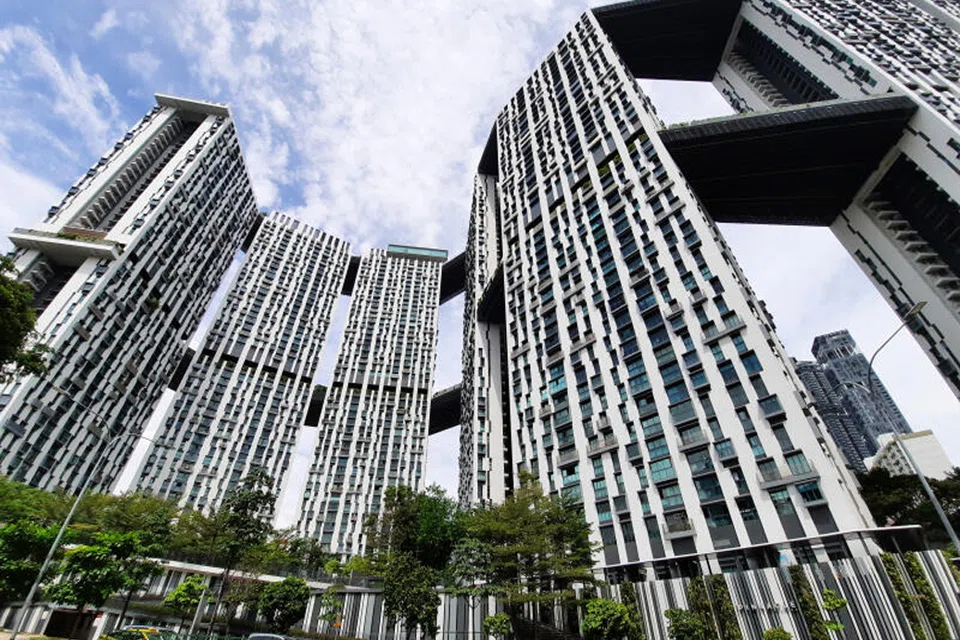
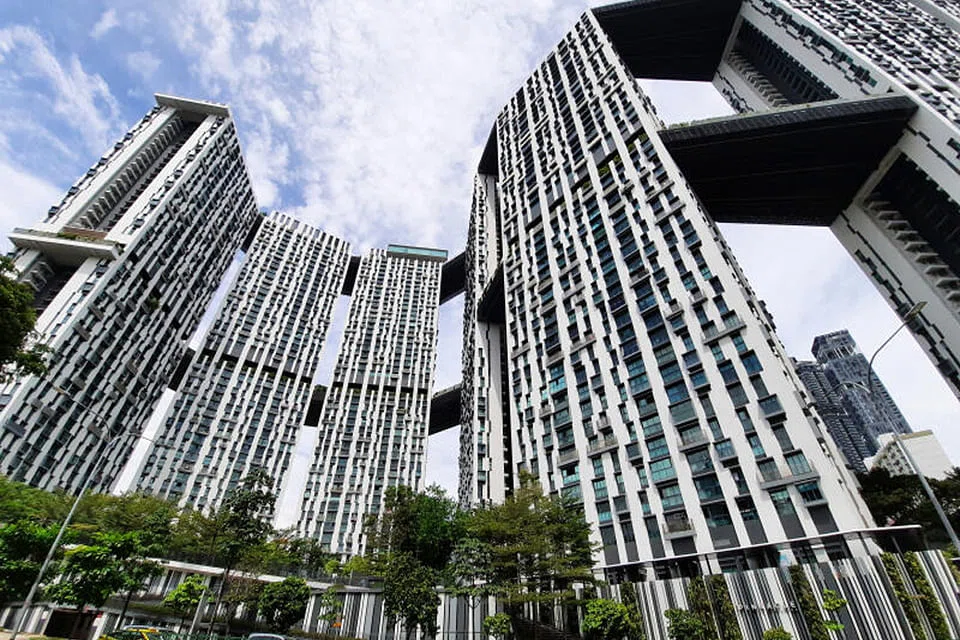
Being allotted a prime HDB flat like the Pinnacle at Duxton is like hitting the lottery, especially when the surrounding condominiums are priced a few hundred per cent higher. Yes, it is public housing with basic amenities - but location is akin to prestige in Singapore.
The pricing structure of prime HDB flats must be moderated so resale will not amount to too large of a windfall. The price must also reflect the prime location. Eligibility for application should be opened up to a wider spectrum of buyers.
The more people we allow an opportunity to bid, the fairer it will be. After all, HDB has been using the lottery system for a long time now, and it is accepted practice.
Annie Yap Chief Executive Officer AYP Group
Higher-end HDB flats in prime locations, as expected, will definitely cost more than those that are a little more out of the way. While it is understandable that prices in prime locations are pricier, they should also be relative to the income levels of Singaporeans.
While a multi-tier housing market makes for good marketing based on desirability of locations, it may also put houses in these choice locations at risk of a housing bubble, which happens when prices surge due to high demand. In turn, nobody can afford these prices, and real estate demand ultimately decreases.
Mario Singh Chief Executive Officer Fullerton Markets
The Greater Southern Waterfront is a huge project that spans about 2,000ha of land, or six times the size of Marina Bay.
With the entire development taking full advantage of Singapore's southern coastline including the plan for 9,000 home units, it is fair to ask how the HDB flats there would be priced. Herein lies the tension: on one hand, the mission of HDB is to provide affordable and quality housing. On the other hand, property prices in the southern region of Singapore have traditionally fetched relatively high prices. This includes homes in Districts 4 and 5, where the Greater Southern Waterfront project lies.
Hence, the sweet spot in pricing housing units here must take into account the possibility of lowering or removing the subsidies altogether, because of the affluent profile of the potential buyers.