Banking on healthcare innovation
Healthcare offers defensive and offensive capabilities. This mix can help portfolios weather various markets and encourage investors to stay the course
 Add BT as a preferred source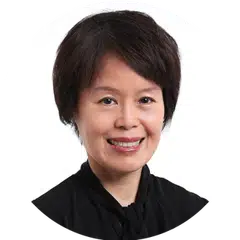

ROUNDTABLE PANELLISTS:
- Alistair MacDonald, investment strategist, Wellington Management
- Julie Koo, managing director and global head of third party manager solutions, Citi Global Wealth Investments
- Ken Takeshita, managing director, global head of R&D, Daiichi Sankyo
Moderator: Genevieve Cua, wealth editor, The Business Times
HEALTHCARE is often cited as a major secular investment theme that is likely to run for decades, thanks to ageing populations globally; innovation that pushes the frontiers of what is possible; and rising affluence that raises demand for quality care.
We speak to the experts on the opportunities and risks that investors can harness.
Q: Healthcare is typically regarded as a recession-proof investment theme, as it caters to basic human and societal needs. What do you see as the key market forces driving investments in the sector?
Alistair MacDonald: As with all industries, market forces in healthcare are shaped by supply and demand. Everyone needs healthcare at some point in life. Generally, demand doesn’t fluctuate based on the state of the economy, aside from certain sectors like medical tourism, where there is some variation during a downturn.

Within emerging markets, the rise of the middle class is also an important growth driver. As incomes rise in these markets, so does their spending on healthcare. In South-east Asia alone, the number of people in the middle-income bracket, whose daily expenditure is between US$10 and US$100, should reach 136 million by 2030, about double the number in 2018 .
Demographics are also supportive of structural growth. On average, those 65 and older spend more than double on healthcare compared to younger cohorts, and populations globally are rapidly ageing.
On the supply side, there’s no shortage of illnesses to cure, despite extraordinary recent medical breakthroughs. The last half-decade has seen unprecedented innovation across biopharma, medical technology and healthcare services. Consider that in 2020, the US Food and Drug Administration (FDA) approved 53 new drugs and 50 more in 2021, compared to just 21 in 2010 .
Medical technology manufacturers and health services providers, such as hospitals and clinics, are also capitalising on modern innovation, leveraging automation, digitalisation, machine learning and robotics to roll out new treatments, equipment and operating models. They’re making their companies more impactful, efficient, insightful and profitable.


Critically, these characteristics come together to create better patient outcomes and more attractive opportunities for investors.
Unlike most sectors, healthcare offers both defensive and offensive capabilities. This mix can help portfolios weather various markets, which can encourage investors to stay the course over the longer term.
Julie Koo: A growing ageing population is the major market force driving investments in healthcare. Today, we have more people on earth than ever before, with a rising average age. By 2050, one in six people in the world will be over 65 years in age, particularly in North America, Europe and South-east Asia. As more people get older, healthcare spending will rise.
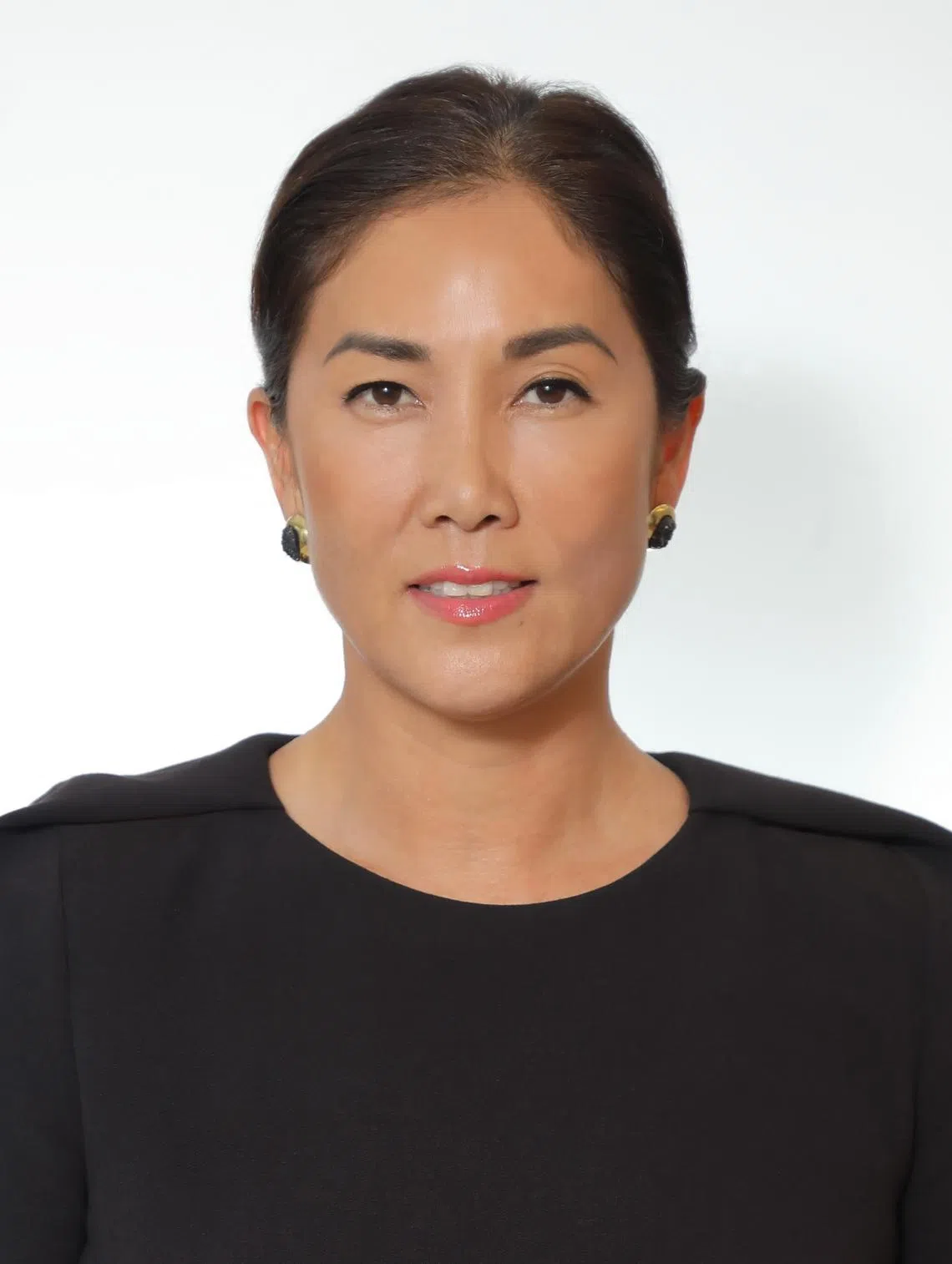
At Citi, we see increasing longevity and the resulting healthcare opportunity as one of four unstoppable trends reshaping the world and transforming the ways we live and work.
The second important driver of healthcare investments is a rising middle class and the accumulation of wealth, particularly in Asia where economic growth and rising incomes are propelling consumption growth.
With rising income and wealth, individuals are expected to spend more on staying well and getting better treatment. In mid-2017, the emerging world’s middle class comprised around 3.3 billion people, and is expected to reach five billion by 2027.
We believe demand for healthcare will likely grow faster than the economy over time, and we see a compelling case for exposure to this source of long-term growth. Healthcare is the least cyclical of all sectors, in that it is least tied to economic performance. For instance, major pharmaceutical firms have routinely raised their dividends through turbulent times.
Ken Takeshita: The key market force in driving investment in the development of new medicines is science. Science is the backbone of Daiichi Sankyo’s research and development strategy, which seeks to improve the current standard of care across multiple types of disease.
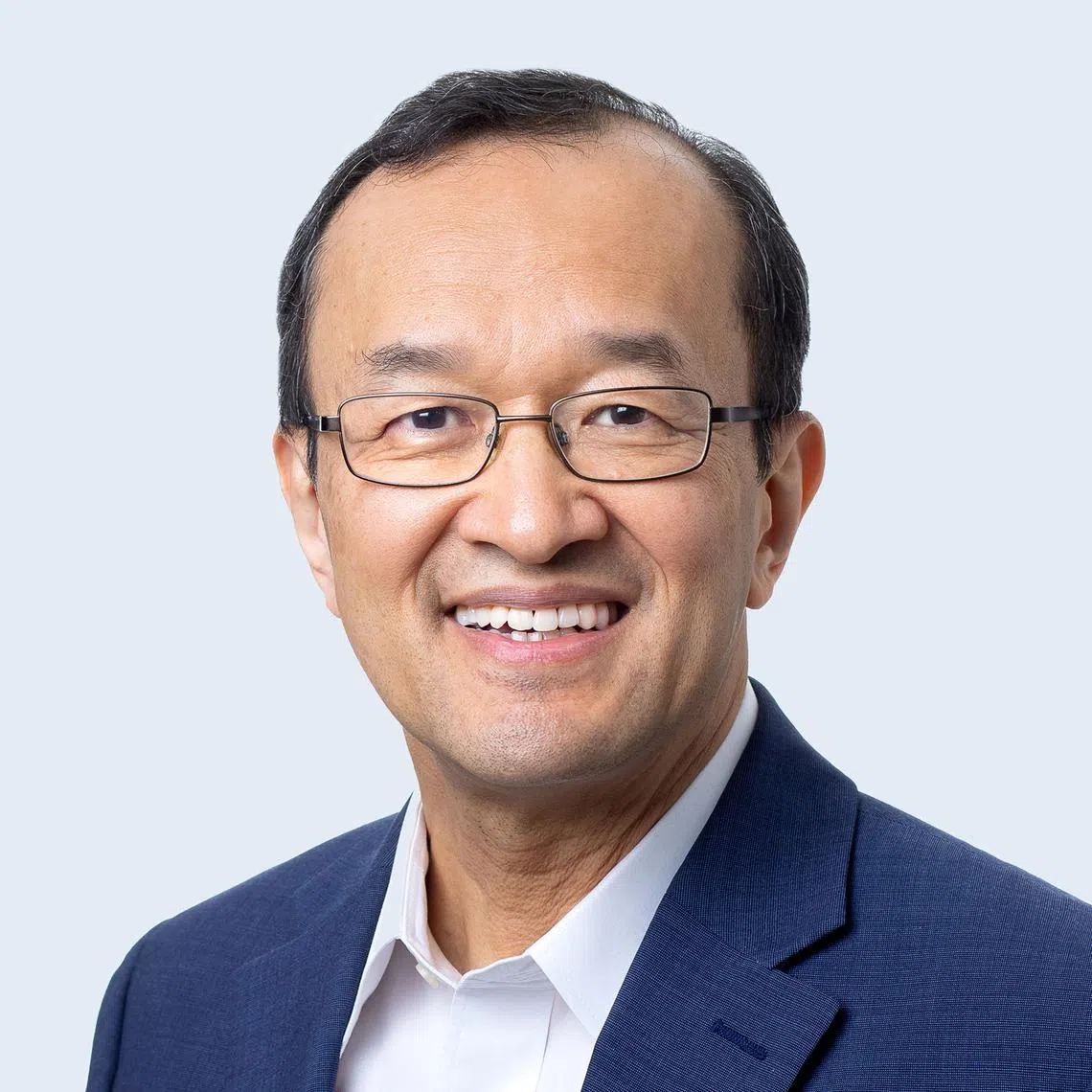
When I first started studying science to become a physician, molecular biology was considered the future of medicine, but it was still in its infancy. In order to develop new medicines or technologies that could better treat cancer or other diseases, it was vital to better understand the molecular basis of diseases.
Nearly three decades later, advancements in the understanding of disease at both the molecular and cellular level are among the main reasons why we have seen significant improvement in the treatment of certain diseases, such as cancer and hereditary illnesses.
Specifically for cancer, we now understand many of the cellular and genetic changes that cause it. Oncology drug development has leveraged this knowledge to better design medicines directed towards these mechanisms.
In contrast, for other diseases such as psychiatric and neurological diseases, the basic scientific understanding of disease is less clear, making it more difficult to develop medicines to treat them. Investment in basic research into the biology of these disease by academia and pharma needs to continue, to develop better medicines to help patients.
Q: Please share with us the scientific and technological breakthroughs in healthcare that you find most promising – with the most potential to drive returns and benefits for people?
MacDonald: This January, the first drug to treat Alzheimer’s disease effectively received FDA approval. The drug clears brain plaque – hard, insoluble accumulations of proteins that clump together between the nerve cells – in a process that slows the rate of cognitive decline. This is an enormous breakthrough, given that 5 per cent of people between ages 65 and 74; 14 per cent between ages 75 and 84; and 33 per cent of those aged 85 or older suffer from this illness.
We have also seen significant developments in the field of metabolic diseases. Currently, more than a billion people globally suffer from obesity, and 537 million adults live with diabetes. In 2021, new injectables that can lead to safe weight loss of up to 20 per cent were FDA-approved to treat these conditions.
There have also been promising advancements in medical technology in this space. For instance, pumps that regulate insulin have improved and can now interface with continuous glucose monitoring devices, which control insulin dosing based on sensor feedback. These make monitoring and managing diabetes easier for both patients and healthcare providers.
Indeed, innovation pipelines in general have never been stronger, with more attractive medical device categories poised to accelerate in the coming years. These include advances in robotic surgery, genetic sequencing and diagnostics, among others. New and developing treatments present exciting opportunities for patients, drug manufacturers and investors in these names.
Looking ahead, small and mid-cap companies will likely continue to drive innovation, particularly in the biopharma space. Historically, their nimbleness and focus have enabled them to outperform their larger peers. Consider that between 2015 and 2020, small caps accounted for almost two-thirds of FDA approvals.
Meanwhile, drug patent expiries are increasing – 51 expired in 2023 alone – driving innovation to replace lost revenues. Pharmaceutical companies are armed with US$1.4 trillion worth of financial firepower. Where large-cap companies cannot innovate in-house, they will look to boost drug pipelines through acquisitions, to the benefit of both large and small-cap companies.
Koo: Over the last few years, technological innovation has disrupted multiple sectors including healthcare. We’re seeing tremendous innovation in industries such as biotech, leading to new treatments to address fatal diseases like cancer.
Immune oncology, for example, is helping to treat cancer by tapping into a patient’s immune system to detect and destroy harmful cells. This is a significant improvement over treatment methods such as chemotherapy and radiation.
Another significant breakthrough is gene therapy, through which genetically inherited diseases can be cured. With gene editing, practitioners can add, remove or edit a specific gene within a patient’s DNA, to address specific health issues. Gene therapy can also be used to treat cancer or HIV.
Separately, there has also been significant progress in treating Alzheimer’s disease, which affects over 55 million people globally. Death due to Alzheimer’s increased 145 per cent from 2000 to 2019.
Robotic surgery is another fruit of healthcare innovation. With robotic surgery, accuracy can be improved beyond the human hand, leading to better outcomes with faster recovery times.
Medtech is already transforming general healthcare and maintenance, including for diabetic patients. With smartphones, sensors and devices attached to a person’s body, we can now monitor glucose levels every couple of minutes with no need for blood samples. Patients can also reach out to healthcare practitioners through apps for consultations and prescriptions, eliminating the need to visit clinics in person.
In discussing new innovations, we cannot ignore artificial intelligence (AI) and its potential to transform the sector. We expected AI to significantly disrupt the biopharma industry, as the technology can understand languages like English, power innovations like ChatGPT, and analyse large molecules including DNA and proteins.
AI is also likely to automate a great deal of health administration while improving clinical outcomes. In the long term, we believe AI will fundamentally change the relationship between health practitioners and patients. Diagnosing patients will become increasingly automated, and family doctors will evolve to be more like health coaches. Hospital specialists will become more productive.
Caring for an aging population is an enormous challenge. Many countries already feel the pressure of shrinking workforces, combined with the need to provide infrastructure and assistance for a growing elderly population.
We believe that “agetech’‘ – hardware and software to address challenges of old age – may ultimately have an important role to play in meeting these challenges. Agetech is closely related to several aspects of another unstoppable trend – digitalisation and the age of hyperconnectivity – which closely tracks the development of robotics, automation and AI.
Takeshita: Beyond some breakthroughs seen in treating various types of cancer with immunotherapy and small molecules, there has been a resurgence in the development of antibody drug conjugates, or ADCs, which are precision medicines designed to deliver treatment directly to cancer cells.
ADCs have three components: a monoclonal antibody that binds to a specific target expressed on tumours, a cytotoxic payload and a linker that joins the two together.
At Daiichi Sankyo, we have leveraged our scientific expertise in both protein engineering and medicinal chemistry to design what we call our proprietary DXd ADC technology. We have multiple ADCs targeting different antigens involved in cancer growth based on this platform in clinical development.
One of these DXd ADCs, which targets HER2, received a standing ovation during the plenary session at the 2022 American Society of Clinical Oncology meeting, due to impressive results in patients with HER2 low metastatic breast cancer.
With these data, the medical community has since redefined how breast cancer is categorised and treated. With our DXd ADC technology, we hope to continue to change the standard of care similarly across multiple types of cancer.
We are also looking to push boundaries with our science even further through the creation of next-generation ADCs, where perhaps bispecific antibodies may be connected to new and improved linkers to deliver different, innovative payloads directly to cancer cells, in order to continue to improve outcomes for patients.
Beyond ADCs, we have collaborated with academic researchers to launch the first oncolytic virus in Japan for patients with malignant glioma. We have also gained extensive experience in the clinical development and manufacturing of a CAR T-cell therapy, through a partnership with a global leader in cell therapy.
Our in-house scientists also have discovered a mRNA vaccine against Covid-19 using a novel nucleic acid delivery technology, which may have broad application to other types of vaccines.
Additionally, the deployment of AI into pharmaceutical drug development as well as into medical care, appears to be a promising area to explore.
Q: Healthcare investments are not without risks. What risks do you watch most closely, and how can these be managed?
MacDonald: The healthcare sector is exposed to the same challenges that impede many other sectors, albeit with greater pricing power to offset these. These include spiralling labour and material costs, disrupted supply chains and even some currency headwinds for businesses that operate or trade internationally.
Interest-rate risk is often greater among small caps, given earlier-stage profitability and higher borrowing costs, while the trading liquidity of shares can tighten during a downturn.
When it comes to industry-specific challenges, key considerations are regulatory, clinical and commercial risk. In the biopharma space, for example, only 10 per cent of drug candidates move beyond clinical trials. A further issue is that most new drugs are unproven commercially, and there is no guarantee that they will sell sufficiently to recoup development costs, irrespective of the severity of the illness they treat.
Arguably, the US Inflation Reduction Act of 2022 (IRA) is one to watch, as much of it has yet to play out. The Act’s drug price negotiation component intends to lower the price of prescription drug costs for Medicare beneficiaries, which include most individuals over the age of 65.
The price negotiation could significantly hamper the profitability of biopharma companies, as drug prices could be reduced by up to 65 per cent. While this could initially be seen as bad news for drug companies, the Act has nonetheless removed an overhang from the market, with less risk of more extreme price controls.
The regulations also show the US is still willing to pay for innovation through market drug pricing, irrespective of such measures.
These risks underscore the need for a diversified portfolio that holds a wide variety of sectors and company sizes. They also emphasise the importance of having a specialist, industry-focused investment team which has a proven track record of investing through the business cycle. We have more than 70 years of such experience.
Koo: We are optimistic about the prospects for the healthcare sector as innovation continues to gather pace. But like other types of investment, it is important to evaluate and manage risks.
Biotech companies, for example, are primarily small to mid-cap companies. Some of these businesses may not successfully conclude clinical trials which have stringent requirements. In digital health/medtech, companies need more time to raise the adoption rates of their products. Some of these businesses also remain unprofitable.
With increasing digitalisation and AI, and the need to be able to transfer and share data with healthcare companies, cybersecurity risks will need to be vigilantly monitored and mitigated.
Healthcare companies are also subject to changes in government policies that would have a broad impact on the sector. To be able to capture opportunities in the market, we believe investors need to leverage experienced investment managers who specialise in this sector.
Takeshita: It takes approximately 10 to 15 years and more than US$2.6 billion on average, to bring a new medicine to market, according to the Pharmaceutical Research and Manufacturers of America (PhRMA). Couple this with a low rate of success for many potential medicines and the challenge of securing regulatory approval, medicine development can be considered a high-risk investment compared to other industries.
To manage risk at Daiichi Sankyo as we pursue innovation, we strive to ensure we have a solid scientific basis before deciding to invest significantly. We conduct extensive pre-clinical research to ensure that we are safely pursuing the right target for the right patient.
In fact, when developing our DXd ADC technology, our scientists conducted a systematic evaluation of all identifiable shortcomings of previous designs of ADCs, and worked to craft our novel linker and payload technology with seven key attributes that we believed would differentiate our ADCs from others.
We now have five of these DXd ADCs in various stages of clinical development across many different tumour types, and also have several in pre-clinical development. One of these DXd ADCs has secured approval in more than 50 countries around the world, achieving blockbuster status approximately three years following its first regulatory approval in the US. It has helped tens of thousands of patients.
Decoding Asia newsletter: your guide to navigating Asia in a new global order. Sign up here to get Decoding Asia newsletter. Delivered to your inbox. Free.
Copyright SPH Media. All rights reserved.