Challenges to handle, opportunities to pursue in 2026
Key drivers include navigating tricky US rate-cut decisions

THE year ahead will have its challenges, but we also expect to see opportunities arise.
In our economic outlook, we share our expectations for both the US and international markets, recognising the distinct paths each region may take. Yet, amid the differences, one powerful theme stands out: our expectation for continued global growth.
Here are five key drivers as we look ahead:
Look for gradual growth globally
As the effects of lower interest rates make their way through the US economy in 2026, growth should gradually recover. With lower mortgage rates and robust real earnings, a growth rate of 2 to 3 per cent should be achievable.
However, given uncertainty around the impacts of US fiscal, tariff and immigration policies on profit margins, it is probable that companies will save and hire carefully and consumers will remain cautious amid a slowing job market.
Outside the US, we expect growth to trend slightly higher, given a robust labour market, better tariff deals negotiated, and more fiscal spending for defence and infrastructure.
Germany in particular has set ambitious plans. China should provide more fiscal and monetary stimulus to support cautious consumers and cushion the negative impact of slowing exports to the US.
Expect inflation to be “sticky” in the US but low elsewhere
While US inflation should stabilise in 2026, the path to the Federal Reserve’s 2 per cent target will be longer than expected. Loose fiscal policy will likely be partly offset by government job cuts and the Fed’s step-by-step approach for moving rates lower.
We believe it will take further weakening in service prices and wages to bring inflation closer to the Fed target. Data dependency will very likely remain the Fed’s key focus in making interest rate decisions, despite heavy political pressure to cut more quickly.




Outside the US, the inflation situation is quite different. Most countries’ inflation targets have already been reached, so central banks can afford to be more stimulative – a favourable situation as consumer demand and sentiment remain weak in the eurozone and China.
Eurozone inflation is expected to drop further below 2 per cent, and the region’s consumers are likely to keep their saving rate high and their spending muted.
China remains pressured to do more as its economy struggles with deflation from a bursting property bubble and structurally higher US tariffs.
Navigate tricky US rate-cut decisions
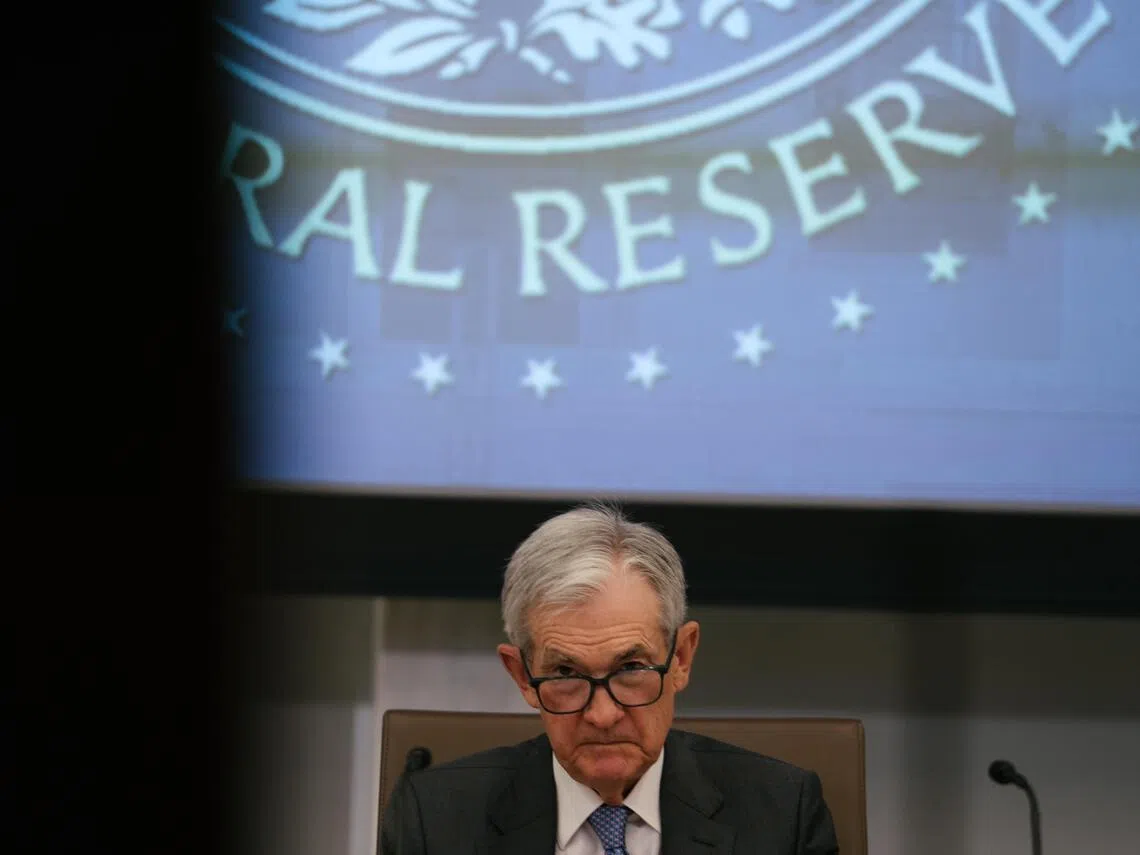
Supporting its dual mandate of stable prices and stable employment will require delicate balancing by the Fed. We might not see as many Fed rate cuts as expected in 2026, mainly because the country’s robust growth doesn’t justify aggressive cutting.
Fed chair Jerome Powell’s term ends in 2026, and the terms of the 12 regional Reserve Bank presidents – five of them voting members – also expire.
An ideology shift towards a more pro-growth approach in setting interest rates is possible. However, the Fed will need to very carefully communicate its outlook and method for handling the growth-versus-sticky inflation trade-off.
Internationally, the European Central Bank might have opportunities for more rate cuts if growth doesn’t recover. China and Japan will likely remain the outliers: Japan will aim to carefully normalise monetary policy, while in China, more fiscal and monetary stimulus is expected.
Keep investors on their toes with geopolitics
Geopolitical risks are expected to remain high in 2026.
The Ukraine-Russia conflict is unlikely to be resolved as stances harden. More sanctions are likely via pressure on Russia directly – but also indirectly, on major consumers of Russian oil and gas such as China and India.
In addition to ongoing direct conflicts in Ukraine and the Middle East, we believe investors should pay attention to the strategic rivalry between the US and China.
Tariff levels will likely remain high and trade tensions may flare up from time to time. Frictions are anticipated to remain elevated and have broader implications for global trade flows.
Anticipate consequences from US fiscal policy dominance
Since the Covid-19 pandemic, US fiscal policy has overtaken monetary policy in supporting economic growth. Beyond expanding budget deficits through stimulus, however, we’re seeing tendencies to use monetary policy to more actively support fiscal policy spending.
The idea behind this is lowering interest rates in order to fund increased fiscal spending.
While this approach may lower the fiscal bill over the short term, the longer-term consequences may be higher inflation and steeper yield curves – making it harder for the government to borrow at the long end of the yield curve and eroding confidence in the Fed to control prices. We believe the central bank’s independence is important.
Any perceived softening of the inflation target in favour of higher growth could increase investors’ uncertainty and demand for higher risk premiums.
The writer is senior portfolio manager, head of multi-asset at Allspring Global Investments
Decoding Asia newsletter: your guide to navigating Asia in a new global order. Sign up here to get Decoding Asia newsletter. Delivered to your inbox. Free.
Share with us your feedback on BT's products and services