Chinese fervour for overseas stocks fuels distortions in ETFs
 Add BT as a preferred source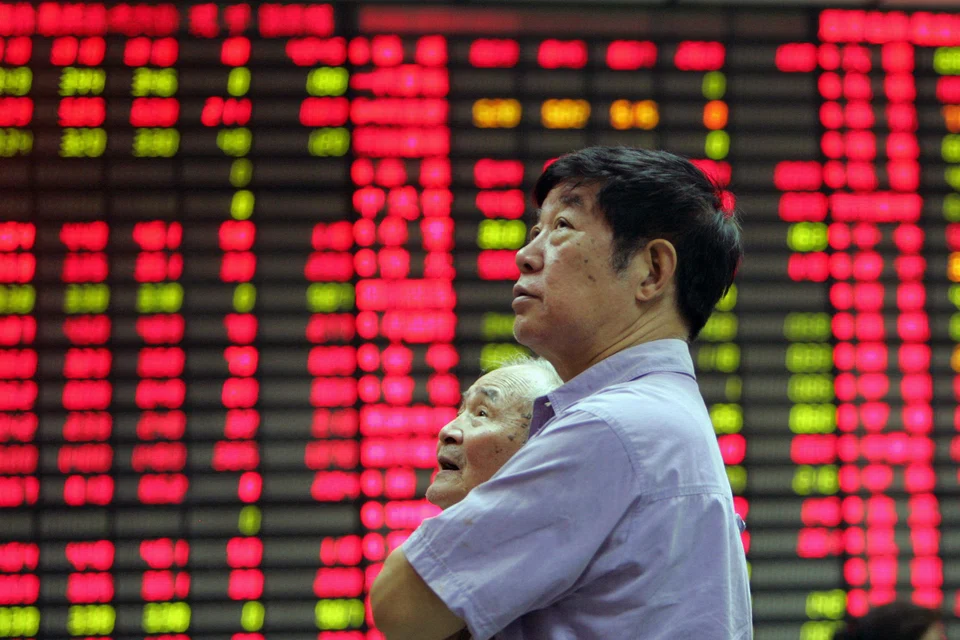
BURNED by years of underperformance in Chinese domestic stocks, local investor appetite for overseas equities is running so high that it’s fuelling huge price distortions in funds tracking these assets.
Chinese traders are willing to pay as much as 40 per cent more than the value of the underlying assets in some exchange-traded funds (ETFs) in order to obtain exposure to foreign stocks. That’s triggering trading halts and purchase limits in a number of ETFs.
With the S&P 500 index hitting a record high and gauges in Japan reaching levels last seen decades ago, it’s not hard to see why Chinese investors are changing tack. But the whopping premium in ETFs tracking overseas equities may evaporate, raising the risk that investors will be saddled with the same losses that they tried to escape from at home.
Capital hunts profits, and with mainland shares so weak, it’s natural for investors to look for exposure to other markets, said Li Minghong, portfolio manager at Beijing Yikun Asset Management, which manages a fund of funds. “It’s not all retail money; there are institutional investors in these ETFs as well.”
The premium on the E Fund MSCI USA 50 ETF QDII soared to an all-time high of over 40 per cent last week as traders piled in. That for a similar product tracking the Nikkei 225 surged to more than 20 per cent.
Due to capital controls, onshore individual investors seeking to buy overseas equities have few avenues. ETFs on the Qualified Domestic Institutional Investor (QDII) programme and their feeder mutual funds are among the most popular channels for retail traders. The QDII programme allows an institutional investor who has met certain conditions to invest in foreign securities with a prescribed quota.
ETFs record a spike in premium when investors’ aggressive bids drive the fund price above the value of the net underlying asset. Unlike other markets, QDII ETF premiums often last longer due to the absence of market makers, and because aggressive purchases may quickly exhaust the quota available to fund managers.
As of last week, 31 QDII ETFs had an average 3 per cent trading premium, compared with 1 per cent last year, according to Bloomberg Intelligence.
The flows offer yet another example of the shift away from Chinese equities as investors lose patience with the market’s underwhelming performance. The CSI 300 Index is hovering near a five-year low, and the Hang Seng China Enterprises Index has been one of the world’s worst-performing major gauges this month.

Retail investors who have lost faith in the domestic equity market have coined a slogan: “Put your trust in the fate of the nation, but put your money in the Nasdaq.” China-listed ETFs with foreign exposure excluding Taiwan and Hong Kong have garnered US$1.3 billion of net inflows this year, according to data from Bloomberg Intelligence.
In an attempt to rein in the enthusiasm, 18 ETFs tracking foreign stocks or the mutual funds that invest directly in them introduced a cap on daily subscriptions this year, exchange filings show. Another six that buy offshore bonds have also set limits on purchases. Trading in three ETFs was halted in the early morning session in recent weeks, while dozens of cautions have been issued over elevated premiums.
In another example, E Fund Management halted trading in the MSCI USA 50 ETF QDII at midday Friday due to an elevated premium. The fund slumped by the 10 per cent daily limit for a second day on Tuesday, after the company warned about the high premium again, highlighting the risk of a rapid change in sentiment. The ChinaAMC Standard and Poor’s 500 ETF QDII registered a similar drop last week as Chinese equities rebounded.
Trading in the E Fund ETF was suspended for an hour in early trading for the seventh session on Tuesday.
“Chinese retail investors could be hit with a double whammy as they flee underperforming domestic-equity ETFs and seek out those holding US stocks, which are trading at a premium and an all-time high,” said Bloomberg Intelligence analyst Rebecca Sin. “If the US market declines, investors could get burned twice.” BLOOMBERG
Decoding Asia newsletter: your guide to navigating Asia in a new global order. Sign up here to get Decoding Asia newsletter. Delivered to your inbox. Free.
Share with us your feedback on BT's products and services